1:12 AM Sump Design Basics Every Reef Tank Should Have |
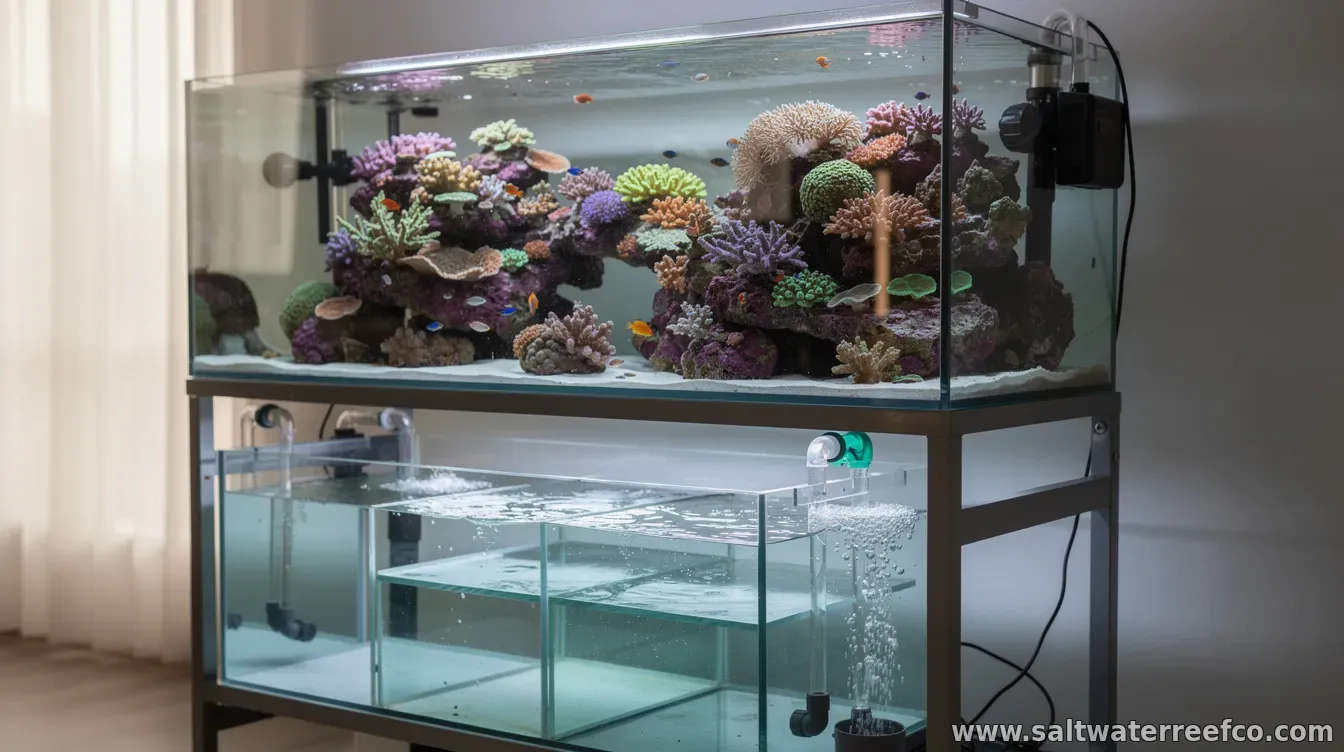
A sump is more than a “second tank”—it’s where you control filtration, manage water volume, and stabilize system behavior for a reef aquarium. A well-designed sump helps keep salinity, temperature, and nutrient levels steadier while making routine care easier and safer. While every setup differs, most successful reef tanks share the same foundational sump elements. Below are the practical design basics that experienced reef keepers treat as non-negotiable. 1) A purpose-built sump size and footprintChoose a sump that fits your stand and allows enough extra water for safe evaporation and handling. A larger sump generally offers more stability because it dilutes swings in parameters. Aim for enough free volume so that when your return pump stops, the water level in the return section rises without spilling over. Also plan the baffle spacing and chamber dimensions early—if you redesign later, the system can end up with poor skimming performance or unstable flow patterns. 2) Strong mechanical filtration where debris can settleStart with a chamber that captures detritus before it can recirculate through your display. Many reef sumps include a filter sock section or a dedicated mechanical stage using sponges, roller media, or structured filter pads. The goal is to remove particles quickly while keeping dissolved waste from turning into an ongoing nutrient source. If you use filter socks, treat them as consumables: schedule frequent changes and ensure you can access them without pulling the entire sump apart. 3) Effective protein skimming (and the right placement)A protein skimmer is the workhorse for export of organic compounds in many reef systems. For sump design, skimmer placement matters: locate it in a chamber with stable water depth so the skimmer doesn’t run inconsistently as the sump level changes. Most designs incorporate baffles and/or a controlled operating level so the skimmer receives predictable flow. If the water level fluctuates too much, skimmer performance can swing—reducing long-term reliability. 4) A refugium or reactor chamber for nutrient controlMany reef keepers add a refugium for macroalgae or a dedicated chamber for media such as carbon, GFO (when appropriate), or other chemical filtration. This chamber is often separated from the main return section so you can tune conditions and perform maintenance without disturbing everything else. For refugia, lighting and flow are key. The “best” refugium design is one that supports consistent growth (if using macroalgae) while avoiding detritus buildup that could undermine nutrient goals. 5) A stable return section with proper top-off strategyThe return pump chamber should be designed as a steady operating zone with enough volume for evaporation. Install a controlled top-off method—often an auto top-off (ATO) with a reliable sensor setup—so salinity doesn’t drift as water evaporates. Using an ATO also prevents accidental overflows during maintenance if the sump level changes faster than expected. Key design practices that prevent common sump problemsEven with the right equipment, small design decisions can make or break day-to-day operation. These habits consistently improve outcomes:
A good sump isn’t only about what you buy—it’s about how the chambers work together. When each stage is placed with stability and serviceability in mind, the reef tank becomes easier to maintain and far more predictable. If you’re planning a new build, start with the layout and water-flow logic first, then select equipment sized and positioned to match that design. That order of operations is often what separates a “working” sump from a truly reliable one. |
|
|
Next & Previous posts