1:06 AM Office Aquariums: ROI and Wellness Benefits for Workplaces |
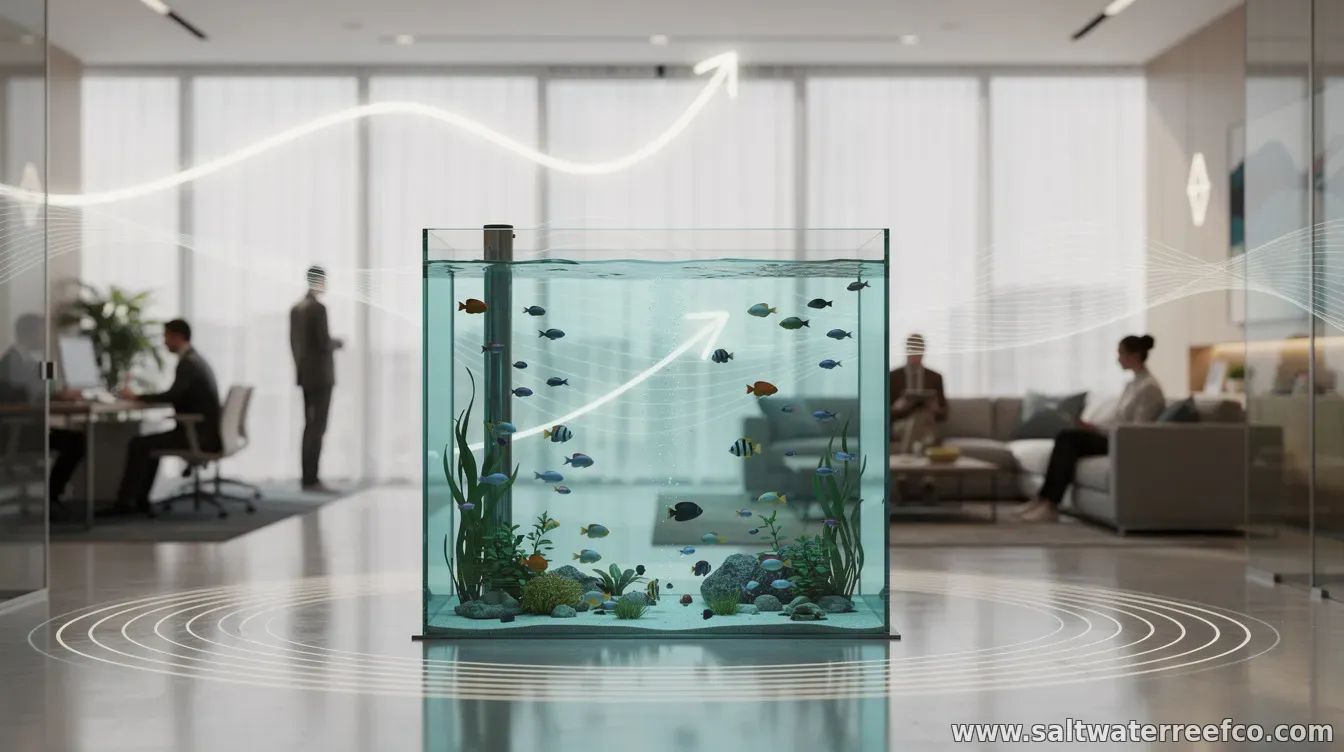
Office aquarium installations are moving from novelty to workplace design—positioned as a low-friction way to soften busy environments and support employee wellbeing. For businesses, the key question isn’t only whether people like them, but whether aquariums can deliver measurable returns through improved morale, engagement, and workplace experience. Below is a practical look at the potential ROI and the wellness benefits employers cite most often, along with the variables that can make or break the business case. Wellness benefits: what companies typically reportMany employers link office aquariums to stress reduction and improved mood. The slow, visual motion of fish can be inherently calming—especially in open-plan areas where employees may experience constant stimuli. In surveys and internal feedback, workers often describe the space as “quieter,” “more relaxing,” or easier to reset during breaks. Beyond relaxation, aquariums can also support micro-recovery habits. When employees have a nearby, non-disruptive visual cue to unwind, it may help them take shorter, more frequent recovery breaks—important for sustained focus over the workday. Engagement and culture: a calmer workplace signalOffice aquariums can function as a “care” signal—an aesthetic investment that communicates attention to comfort and environment. That can matter for recruiting and retention, particularly in competitive job markets where workplace experience is part of the decision. They may also foster light social interaction around shared spaces. In practice, teams often form informal routines around the aquarium—asking questions, planning around feeding times, or simply taking shared moments during busy weeks. ROI drivers: where returns usually come fromThe ROI for an office aquarium is rarely one single metric. Most business cases bundle benefits into categories such as retention impact, reduced absenteeism attributed to improved wellbeing, improved customer experience (for reception areas), and even indirect gains in employee satisfaction scores. For ROI modeling, the most defensible approach is to set baseline measurements first—then track changes after installation. Examples include employee pulse surveys (stress, job satisfaction, “work environment” scores), engagement metrics, and qualitative feedback from managers on productivity and break patterns. Cost is equally important. Aquariums come with recurring expenses: filtration and lighting, water treatment, food, occasional equipment replacement, and labor for maintenance. If maintenance is outsourced, service contracts become a major line item. If maintained in-house, time allocation must be realistic to avoid downtime and health risks for the animals. What to measure (and how to avoid inflated expectations)To connect aquarium installations to business outcomes, measure both perception and behavior. Beyond “people like it,” track whether the aquarium is actually used: break frequency, time spent in the area, and whether employees report that it helps them reset. You can also monitor workplace climate indicators through monthly or quarterly surveys. Because wellbeing improvements are often gradual and influenced by many factors, it’s important to avoid “cause-and-effect certainty.” Instead, treat the aquarium as one element in a broader wellbeing strategy—paired with better break norms, ergonomic improvements, and clear expectations around workload. Companies that see stronger results tend to choose the right location (visible but not distracting), right size (proportional to the space), and right species requirements (so maintenance stays stable). When these basics are met, employee feedback can remain positive and the setup avoids becoming an ongoing headache. Making it work: practical best practices for installationROI improves when the aquarium is planned as a system, not just an aesthetic feature. Placement matters: a lobby or lounge area can enhance customer experience, while a quieter communal zone can support calmer breaks. Lighting should be set for consistent viewing without creating glare or heat issues. Maintenance planning is the other critical lever. Decide upfront who handles cleaning, filter checks, and water testing, and how often. If downtime occurs—through equipment failure or staff changes—both animal welfare and employee trust can suffer, undermining the intended wellbeing effect. Finally, include communication. When employees understand what the aquarium is for and how it’s cared for, it becomes part of the workplace culture rather than a temporary decoration. Office aquarium projects can offer a meaningful workplace experience upgrade, with potential wellbeing and engagement benefits that may translate into measurable ROI when paired with careful planning and realistic measurement. The strongest business cases treat aquariums as a managed wellness initiative—tracked, maintained, and integrated into how people actually work. |
|
|
Next & Previous posts