3:27 AM Cyanobacteria Outbreaks in Reef Tanks: Causes and Fixes |
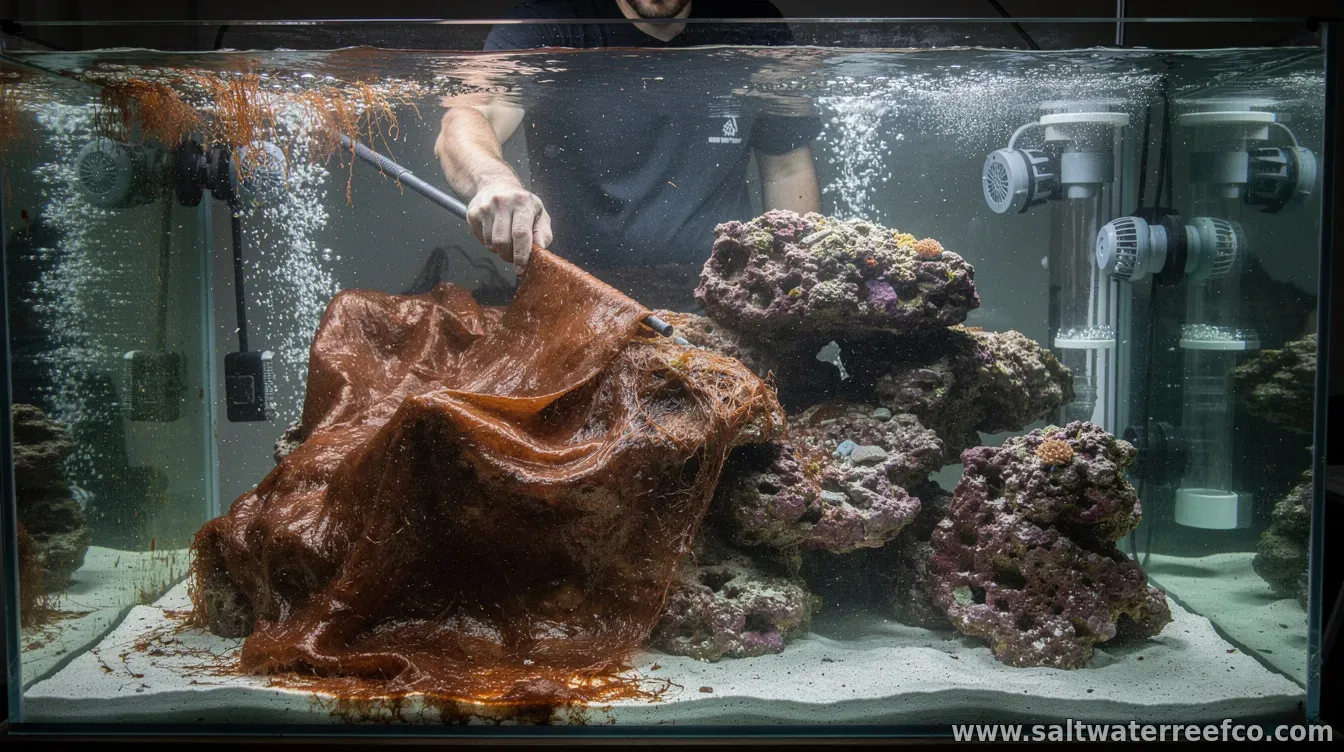
Cyanobacteria (often called “cyano”) can carpet rock and sand in reef tanks, turning areas red, brown, or dark green. While it isn’t always a sign of a single “bad” thing, outbreaks usually point to conditions that favor bacteria over beneficial microbes. In many reef setups, the quickest progress comes from identifying the tank’s specific bottlenecks—nutrients (especially dissolved organic matter and phosphates), oxygenation and circulation, and lighting/feeding patterns—then pairing that diagnosis with targeted, short-term corrections. What usually triggers cyano bloomsFirst, cyano tends to surge when available “fuel” and favorable conditions align. Common triggers include elevated nutrients (often phosphates, and sometimes nitrates), organic buildup from overfeeding or dirty filtration, and reduced water movement that creates stagnant micro-zones on the substrate. Light can also play a role: long photoperiods, intense direct lighting angles, or spectrum changes may boost photosynthetic cyano. In newly cycled or recently modified tanks, bacterial communities can be temporarily unstable, allowing cyano to get a foothold before the ecosystem fully balances. Fast, practical steps to get controlA “quick fix” should reduce cyano’s advantage without destabilizing the reef. Start with straightforward husbandry changes: siphon the visible mats during water changes, increase flow to eliminate dead spots, and reduce feeding for a few days while observing fish behavior. Next, confirm key water parameters instead of guessing. Test for nitrate and phosphate (and, if possible, alkalinity and salinity stability). Many cyano problems improve when phosphate is brought down gradually and nutrients are managed consistently rather than swung abruptly. If your filtration is undersized or bypassed by debris, clean mechanical components promptly and ensure the return and powerhead setup delivers thorough, random circulation. Avoid large, sudden chemical swings—especially in established reef systems—because that can harm corals and worsen instability. Short-term strategies that often helpSome aquarists use targeted interventions alongside parameter corrections. A common approach is adjusting the photoperiod downward temporarily (for example, shorter days for several days) to reduce cyano’s photosynthetic drive—then returning to a steady schedule once the outbreak recedes. Another option is manual removal plus improved circulation, which physically interrupts the mat and helps prevent quick regrowth. When cyano persists, check for hidden sources of organics: decaying detritus trapped in sand, clogged filter media, or uneven flow that encourages buildup. In reef tanks, even small changes—like better sand agitation in specific zones (without blowing detritus into open water)—can make a measurable difference over one to two weeks. How to avoid the outbreak coming backPrevention is about stability: keep a consistent feeding routine, maintain regular water changes, and run filtration/flow that matches bioload. Over time, beneficial bacteria and algae competitors often outcompete cyano when nutrients are kept in a workable range and the tank avoids long periods of stagnation. If you’re seeing repeated cyano despite consistent maintenance, consider whether the system has a chronic imbalance—such as persistent high dissolved organics, ineffective export, or lighting/flow that doesn’t match the tank’s size and coral placement. Documenting test results and feeding changes can help pinpoint the pattern behind the blooms. For serious or rapidly spreading outbreaks—especially if corals show stress—pause aggressive dosing and focus on diagnosis: confirm parameters, increase circulation safely, remove mats mechanically, and make gradual adjustments. Cyano control usually improves when the tank’s underlying conditions are corrected rather than when the outbreak is only “scrubbed away.” |
|
|
Next & Previous posts