8:55 AM Aquaculture vs. wild-caught: what to buy |
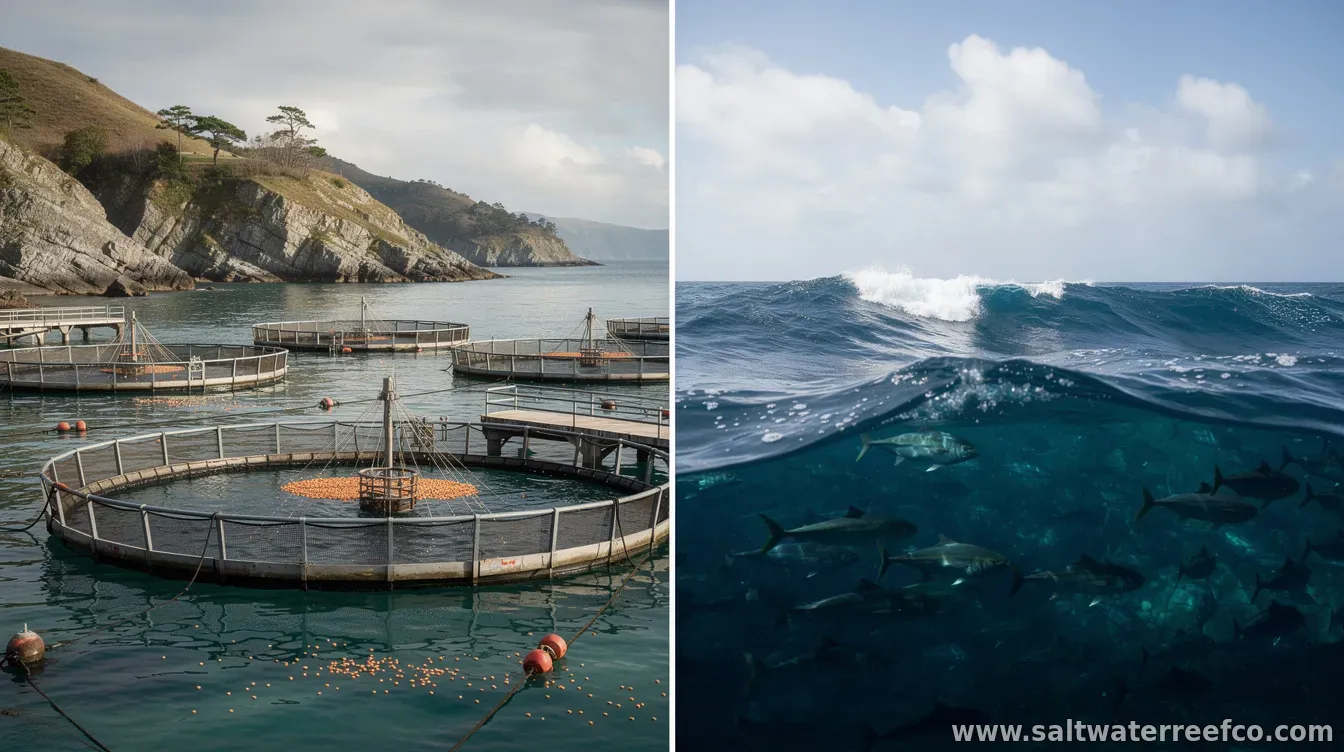
For shoppers, “aquaculture” can sound like a compromise and “wild-caught” can sound like the safest bet. In reality, both categories vary widely by species, location, and farming or fishing practices—meaning the best choice often depends on what you’re buying and where it comes from. Start with the big picture: which option is lower-impact? Some aquaculture systems can reduce pressure on overfished stocks by providing a steady supply of high-demand species. However, farming can also create local impacts if feed, waste, disease control, or habitat management are poor. Wild capture, meanwhile, can range from highly selective and well-managed fisheries to highly disruptive methods that increase bycatch and degrade seafloor habitats. How to choose aquacultureIf you’re buying farmed seafood, look for transparency and better-managed production. Species commonly raised in lower-impact ways—such as certain shellfish (e.g., mussels and oysters)—can be efficient because they don’t require feed in the same way finfish do. For fish that rely on feed, ask whether the operation uses responsibly sourced feed ingredients and has strong monitoring for water quality and disease management. Practically, prioritizing farms with credible third-party certifications or clear traceability can help. When those signals aren’t available, choose the species you know are widely produced and evaluate how the product is handled—fresh, frozen, smoked, or ready-to-eat—since supply chain practices affect quality and waste. How to choose wild-caughtWild-caught seafood is often perceived as more “natural,” but it’s not automatically more sustainable. The most responsible picks tend to come from well-managed fisheries with science-based quotas and minimal bycatch. You can’t tell these details from the label alone, so it helps to prioritize species that are known to be plentiful, or to look for reputable sustainability guidance and regional fishery information. Method matters as much as geography. Gear types that reduce bycatch and habitat disturbance generally outperform methods associated with higher ecological strain. If a product’s origin or fishing method is unclear, consider switching to a better-documented alternative—even if the species is the same. Nutrition: which category wins?In most cases, the nutrition profile depends on the species and preparation rather than whether it’s farmed or wild. For example, omega-3 content can be strong in both farmed and wild fish, but it varies by feed (in aquaculture) and natural diet (in the wild). The most reliable approach is to choose species with proven health benefits—then compare labels for additives, portion size, and how it’s processed. Also consider contaminants and freshness. Some species tend to accumulate higher levels of certain pollutants regardless of origin, so species choice matters more than aquaculture versus wild. Frozen seafood can be a smart option because flash-freezing often preserves quality after harvest. What to buy: a practical rule of thumbIf your goal is “best overall,” start by choosing the species you eat most often and then match it to the option with better management signals. In many shopping baskets, that means:
When in doubt, the “right” purchase is the one you can verify: look for origin details, reputable certification marks, and species-specific guidance from trusted sustainability organizations. That approach usually beats blanket assumptions about aquaculture versus wild-caught. |
|
|
Next & Previous posts