0:19 AM RO/DI Systems: When to Replace Membranes |
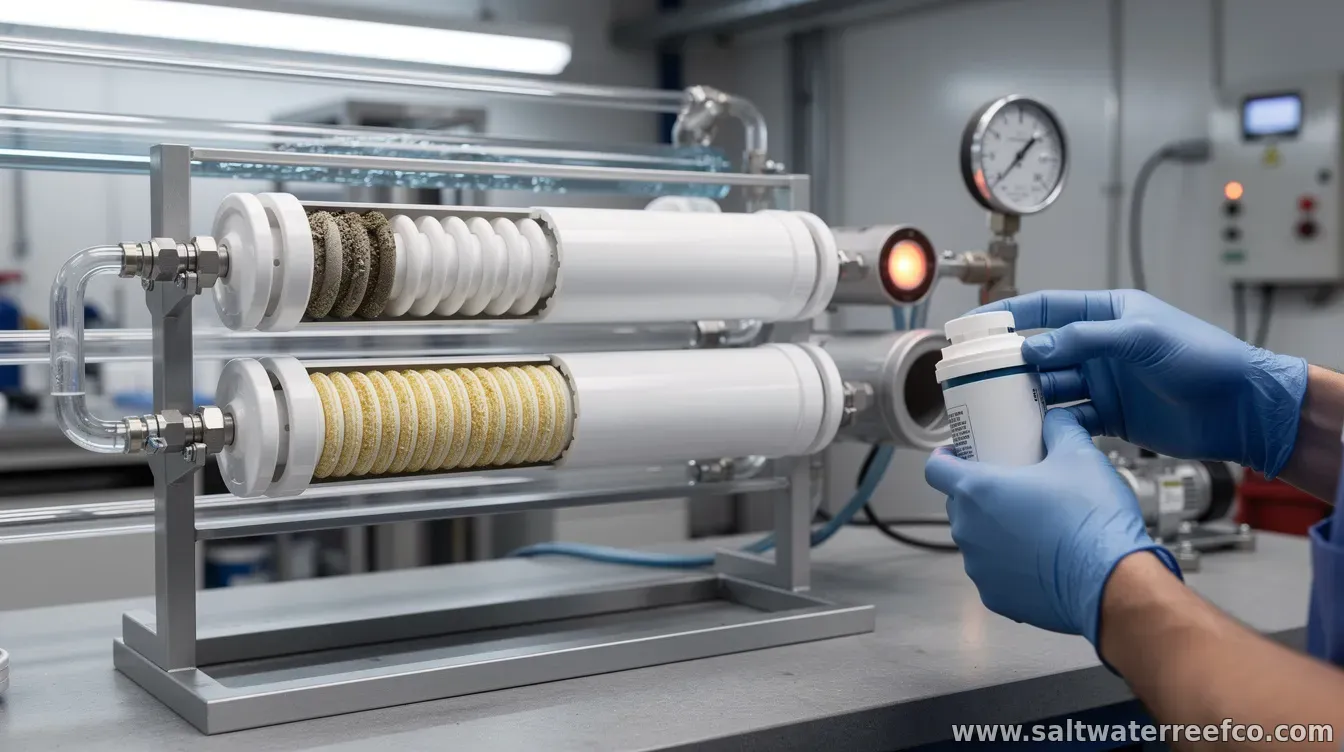
Reverse osmosis/deionization (RO/DI) systems are designed to produce high-purity water by removing dissolved solids and contaminants in stages. The membrane is one of the most important components, but it isn’t replaced on a calendar schedule—most failures are driven by feed water quality, maintenance habits, and the presence of damaging compounds. As a rule, you should monitor performance rather than guess. The most practical way to decide when to replace an RO membrane is to track output quality (typically measured as TDS) and system rejection over time, then correlate those changes with filter maintenance and feed-water conditions. Primary signs it’s time to replace the RO membraneThe clearest indicator is a sustained increase in permeate (product) TDS after the system has run in steady conditions. If you’ve recently replaced the prefilters (sediment and carbon) and the permeate TDS is still higher than your normal baseline, the membrane may be losing effectiveness. Another strong sign is reduced rejection—when the system produces more dissolved solids than expected relative to the feed water. Many users quantify this with rejection calculations or by comparing feed TDS to product TDS before and after maintenance. If rejection drops and does not recover with fresh prefilters, membrane replacement becomes more likely. You may also notice performance symptoms such as an increased wastewater ratio (more concentrate/flush water for the same output) or a lower rate of permeate production. These can result from membrane fouling, scaling, or compaction, though they can also overlap with other issues like a clogged prefilter or flow restriction. What causes premature membrane wear?RO membranes are vulnerable to oxidants and fouling. If your carbon stage fails to protect the membrane from chlorine/chloramine, the membrane can be damaged quickly, leading to faster increases in product TDS. Properly sized and maintained carbon filters—and a functioning dechlorination stage—are often the difference between “years of use” and early failure. Scaling from hard water minerals can gradually reduce permeate flow and rejection. This is especially common if pre-treatment (or antiscalant where applicable) isn’t adequate for the source water. Over time, scaling can make membranes behave like they’re “plugged,” even if prefilters appear clean. Biological fouling and general organics can also reduce performance, particularly if the system sits unused for long periods or sanitization is skipped. In those cases, the membrane’s effective surface area decreases, which shows up as worsening TDS and flow characteristics. How to confirm before replacingBefore you swap the membrane, verify the system is otherwise healthy. Replace sediment and carbon prefilters on schedule, then re-check readings after the system stabilizes. If performance rebounds after prefilters are new, the membrane likely isn’t the problem. Next, confirm you’re using correct test points and units: measure feed TDS, permeate/product TDS, and—if your system includes it—di stage output TDS with the same method each time. A sudden jump right after prefilter replacement is a red flag for membrane damage; a gradual rise may indicate scaling or membrane aging. If your RO system has a pressure gauge or flow indicator, check for unusual inlet pressure. A low-pressure problem can mimic membrane wear by lowering rejection, so it’s worth ruling out plumbing restrictions, booster pump issues, or clogged housings. Typical replacement timing (what to expect)In many residential and hobby setups, RO membranes commonly last several years, but there isn’t a universal number. Systems with better pre-treatment and consistent cartridge maintenance may run longer, while harsher source water (hardness, chlorination, or high organics) can shorten lifespan. DI resins may require more frequent changes even before the membrane is fully replaced—because the RO stage is no longer removing as much dissolved material. A practical approach is to establish a baseline: record your feed TDS and permeate/product TDS when everything is new and stable. When you see a sustained drift beyond your normal range, it’s time to diagnose and plan a replacement. Related maintenance to extend membrane lifeYou can often delay membrane replacement by protecting it upstream and keeping the system clean. Replace prefilters at the recommended intervals, ensure carbon filters are correctly sized for chlorine/chloramine control, and consider periodic flushing or cleaning protocols if your manufacturer supports them. Always follow the manufacturer’s guidance for cleaning chemicals and frequency. Using the wrong cleaning approach—or skipping safety steps—can damage the membrane or shorten its life. Ultimately, replacing an RO membrane is less about guessing and more about monitoring water quality trends. If permeate TDS rises and rejection drops after prefilters are renewed, or if flow and wastewater performance deteriorate alongside stable pre-treatment, membrane replacement is likely the most effective next step. |
|
|
Next & Previous posts