0:34 AM Mandarinfish care: feeding in captivity |
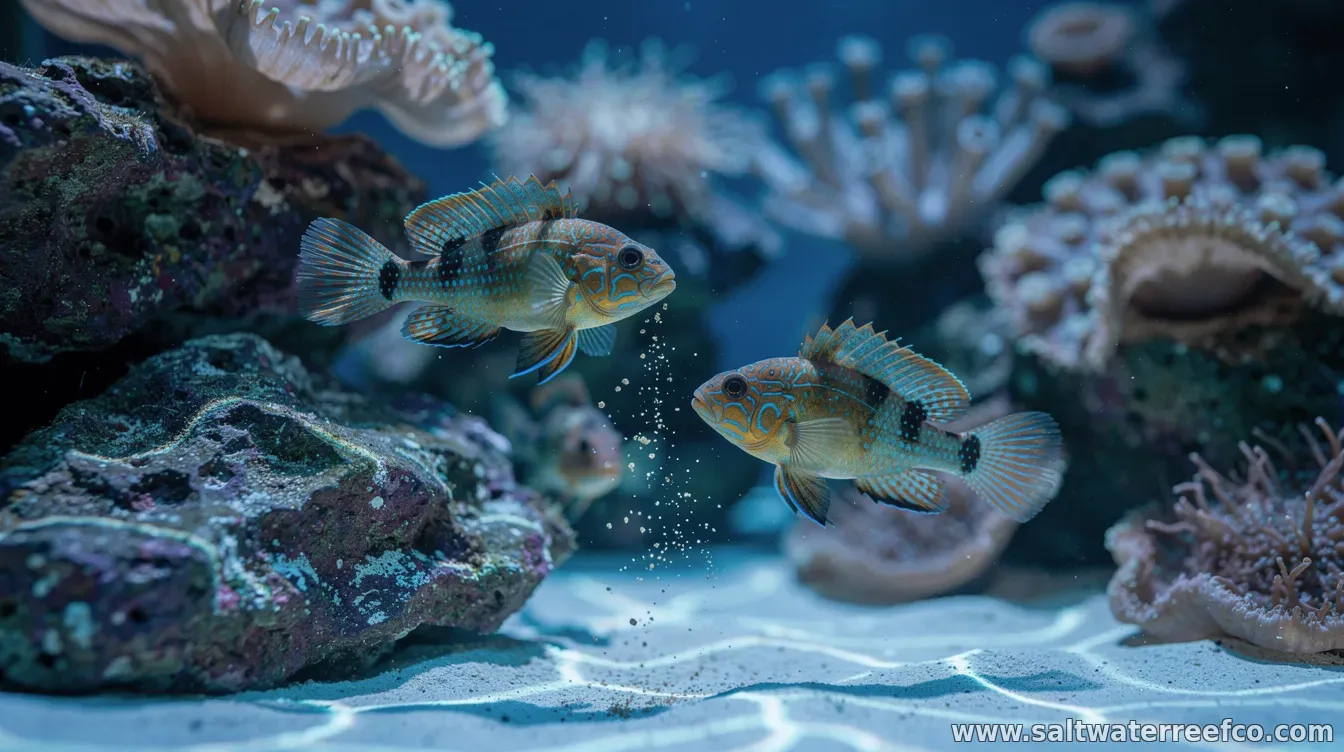
Mandarinfish (often sold as Synchiropus splendidus) are prized for their vivid colors, but they are also among the most challenging marine fish to keep. The main reason is feeding: in the wild they graze on tiny, living crustaceans, and many individuals struggle when offered frozen or prepared substitutes. For most keepers, the key to “mandarinfish-proof” feeding is building a tank that can sustain natural prey—especially copepods—before the fish ever arrives. A biologically stable aquarium with live rock and established microfauna gives the fish a grazing buffet throughout the day, even between scheduled feedings. Start with a mature, copepod-rich setupMandarinfish do best in systems that have had time to develop a diverse population of small organisms. Live rock is essential because it provides hiding places and breeding surfaces for copepods and other microfauna. Many hobbyists aim for a tank that is well-established (often measured in months), because rushing this step can lead to starvation even when food is “available” to the aquarist. Because mandarinfish hunt by sight and behavior, they also benefit from good visibility in the tank. Excessive turbidity, aggressive tank mates that compete for food, or limited open foraging areas can make it harder for the fish to find prey. Feeding options that work in captivityIn captivity, the most reliable feeding strategy usually combines natural grazing with targeted supplemental foods. Live pods (copepods) are the foundation, but you can also train mandarinfish to accept other offerings over time. Common approaches include:
Many mandarinfish will not take prepared foods at first. That doesn’t always mean they’re doomed, but it does mean you should avoid “wait-and-see” timelines that allow the fish to decline. Feeding frequency and observationMandarinfish are small, specialized eaters that can consume many tiny meals across the day rather than taking large portions once daily. Practically, this means more frequent feeding (or steady grazing through a tank population) tends to work better than infrequent feedings. Watch the fish’s behavior and body condition closely. Signs that feeding isn’t meeting needs include sustained skinny appearance, visible drop in activity around feeding windows, and refusal of offered prey. If a fish won’t eat reliably within your short-term observation period, the priority becomes immediate food availability—often by switching to live pod supplementation and reducing competition. Compatibility and competition matterEven if the diet is perfect, mandarinfish can starve in community tanks if other animals outcompete them. Fish that bully at feeding time, particularly fast grazers or aggressive midwater swimmers, can leave the mandarinfish with less access. If possible, keep the mandarinfish with peaceful tank mates and ensure there are safe foraging zones. Also consider any cleaners or predators that may reduce the pod population. A tank that looks “full of life” to the aquarist doesn’t always translate to enough of the specific prey size and type the mandarinfish can efficiently capture. Water quality and stress reductionMandarinfish are not only sensitive to nutrition—they also do better in stable, well-oxygenated water. Maintain appropriate salinity, temperature, and strong but not blasting flow. Stable parameters reduce stress and make it more likely the fish will feed confidently when food is present. Stress can also reduce feeding response. If you’re acclimating a mandarinfish, minimize chasing, netting, and repeated disruptions. A calm transition with consistent feeding routines is often more effective than repeated attempts to force unfamiliar foods. Common pitfalls to avoidAvoid assuming that frozen or flake foods are “close enough.” Mandarinfish are specialized feeders, and many individuals simply can’t or won’t recognize prepared diets. Similarly, don’t stock the tank heavily with organisms that rapidly strip copepods before the mandarinfish arrives. Finally, don’t underestimate how long it can take to build a reliable prey base. Mandarinfish care is often about preventing the slow slide into underfeeding rather than fixing it after the fish looks weak. With a mature, pod-rich tank and a disciplined feeding plan built around frequent access to live foods, mandarinfish can thrive in captivity. If you’re considering one, the best first step is preparing the food system—because in mandarinfish care, “what’s in the water” can be just as important as what’s in the bowl. |
|
|
Next & Previous posts