2:23 PM Coral Bleaching: Early Warning Signs and What to Do |
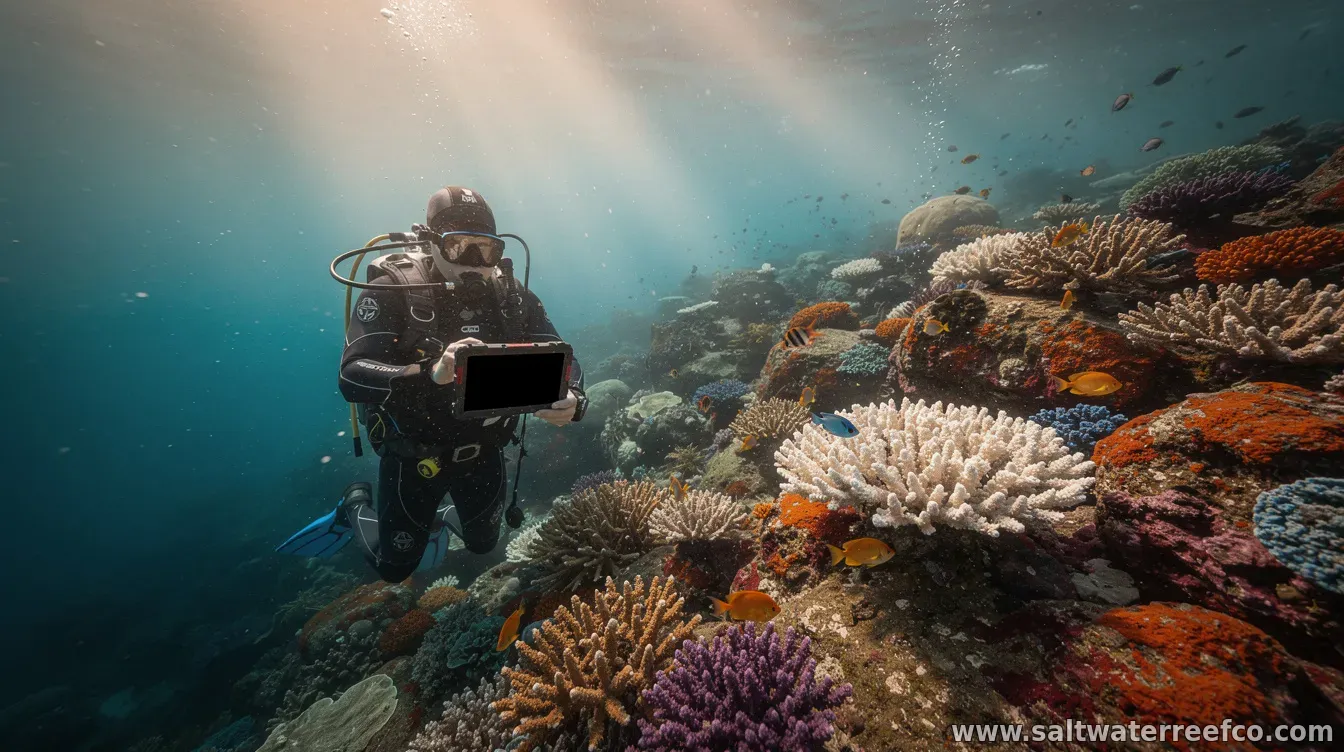
Coral bleaching—when corals lose their colorful symbiotic algae—often reflects heat stress and other environmental pressures. While some reefs can recover, repeated or severe bleaching events can cause long-term damage, including slower growth, disease vulnerability, and declines in fish and tourism. With ocean temperatures rising and marine heatwaves becoming more frequent, early recognition and rapid response are increasingly important for reef resilience. Early warning signs you can look forThe first clues of bleaching are visible changes in coral color and condition. Many “lighter” shades can be a sign of stress before full bleaching occurs. Common early indicators include:
Timing matters. Bleaching risk can escalate rapidly during sustained warm periods—so monitoring heat conditions and local reef conditions can improve the odds of detecting problems early. Why bleaching happens (and what else raises risk)Most mass bleaching events are triggered by sustained sea-surface temperature above the corals’ tolerance threshold. When corals are stressed, they may expel the algae that provide much of their energy, making the coral appear white. Temperature isn’t the only factor. Bleaching can worsen when reefs face multiple stressors at once, including:
In many regions, periods of high heat align with human activities that increase nutrient and sediment loads, raising the likelihood that corals bleach and do not rebound as quickly. What to do: actions for communities, divers, and managersEffective response starts with awareness and coordination. Even when bleaching has already begun, actions taken in the early phase can reduce additional stress and support recovery. 1) Report and document quickly. If you’re part of a local monitoring group, community team, or regular reef user network, document affected areas—where possible using consistent photo angles, colony types, and approximate depth and location. Share updates with reef authorities or conservation organizations so data can be compiled into broader assessments. 2) Reduce local stressors immediately. Local impacts can magnify heat stress. If applicable, strengthen measures that limit sediment disturbance, improve wastewater management, and reduce runoff. On-water rules—like designated mooring lines and safer boating routes—can also prevent further physical damage during vulnerable periods. 3) Protect high-value or resilient areas. Managers can consider temporary restrictions on high-pressure activities (for example, limiting anchoring or fishing in sensitive zones) during peak heat or following early signs of bleaching, focusing on reefs that support biodiversity, tourism, or fisheries. 4) Support recovery-ready conditions. Healthy reefs recover better. Efforts that improve water clarity, strengthen enforcement against destructive practices, and maintain herbivore populations can help reefs resist algae overgrowth after bleaching events. 5) Plan for long-term resilience. Response should include preparedness for future marine heatwaves: establishing monitoring schedules, developing heat-triggered management actions, investing in restoration where appropriate, and aligning land-use and coastal development planning with reef protection goals. How individuals can help right nowWhether you’re a diver, snorkeler, beach visitor, or resident, your choices can influence stress on corals during critical windows. Stick to established trails and dive sites, avoid contact with coral and reef organisms, and use moorings where provided rather than anchoring. Report unusual color loss to local reef stewards when you notice it. Small actions become meaningful when many people act together—especially if early alerts help authorities and scientific teams mobilize faster. Coral bleaching is a complex, fast-moving threat, but early warning signs are often visible to trained eyes—and to attentive communities. By combining careful observation, rapid local stress reduction, and preparedness planning, reefs stand a better chance of surviving the next heat spike. |
|
|
Next & Previous posts