1:40 AM Coral bleaching: what it is and why it matters |
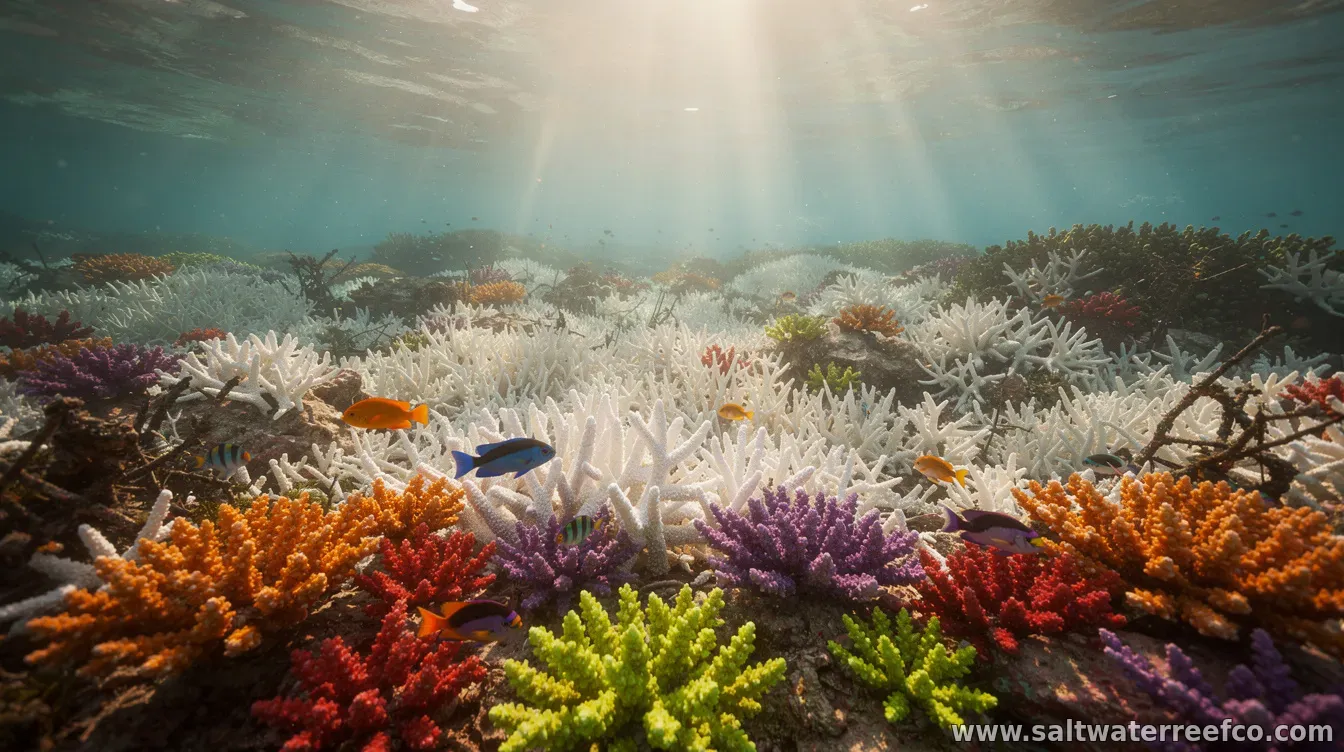
Coral bleaching is the alarming whitening of reefs caused by corals expelling the algae (zooxanthellae) that live in their tissues. Those algae provide much of the coral’s color and a large share of its energy through photosynthesis. When the relationship breaks down, corals can starve, become more vulnerable to disease, and struggle to recover. While bleaching can occur naturally after short-term environmental changes, recent decades have seen more frequent and widespread events—largely tied to human-driven climate change. The main driver is sustained ocean warming, which pushes corals beyond their heat tolerance. What actually causes bleachingThe most common trigger is elevated sea surface temperatures. Heat stress can disrupt the algae-coral relationship, prompting corals to expel the algae as a survival response. Other stressors can also contribute—such as pollution that reduces water quality, sediment runoff that blocks sunlight, overfishing that destabilizes reef ecosystems, and extreme weather that alters local conditions. Importantly, bleaching does not always mean immediate death. If temperatures fall and conditions improve quickly, corals may regain algae and recover partially or fully. But repeated heat stress, longer-lasting extremes, and additional local pressures lower the odds of recovery. Why it matters for reefs and peopleCoral reefs support extraordinary biodiversity, providing habitat and food for fish, invertebrates, and many other marine species. When reefs bleach severely or repeatedly, they can lose structural complexity, reducing shelter and breeding grounds—often leading to declines in reef-associated wildlife. Reefs also provide benefits that extend beyond the ocean. They act as natural coastal buffers by reducing wave energy and protecting shorelines. They underpin fisheries and tourism, and they contribute to food security and livelihoods in many coastal communities. When bleaching causes reef degradation, the impacts can ripple through local economies and public health. How reefs respond—and what determines recoveryWhether a reef bounces back depends on both the severity of bleaching and the time between events. Recovery is more likely when heat stress is brief and water quality is relatively good. Conversely, if bleaching events become more frequent, corals may exhaust their energy reserves and fail to regrow algae. Local management can improve resilience. Efforts that reduce pollution and improve water clarity, protect herbivorous fish that help control algae, and strengthen marine protected areas can help reefs withstand stress. However, broader progress in limiting climate change is crucial because ocean warming remains the dominant long-term driver. What happens nextCoral bleaching is increasingly monitored using satellite data and field surveys to track heat stress and bleaching intensity. The most effective long-term solution is reducing greenhouse gas emissions to limit the frequency and duration of marine heatwaves. In the meantime, conservation actions that address local stressors—along with rapid response during severe events—can help maximize the chances of survival for reefs that still have time to recover. As bleaching becomes more common, the stakes for ocean ecosystems and coastal communities continue to rise. |
|
|
Next & Previous posts