3:30 AM Coral Bleaching: Causes and How to Prevent It |
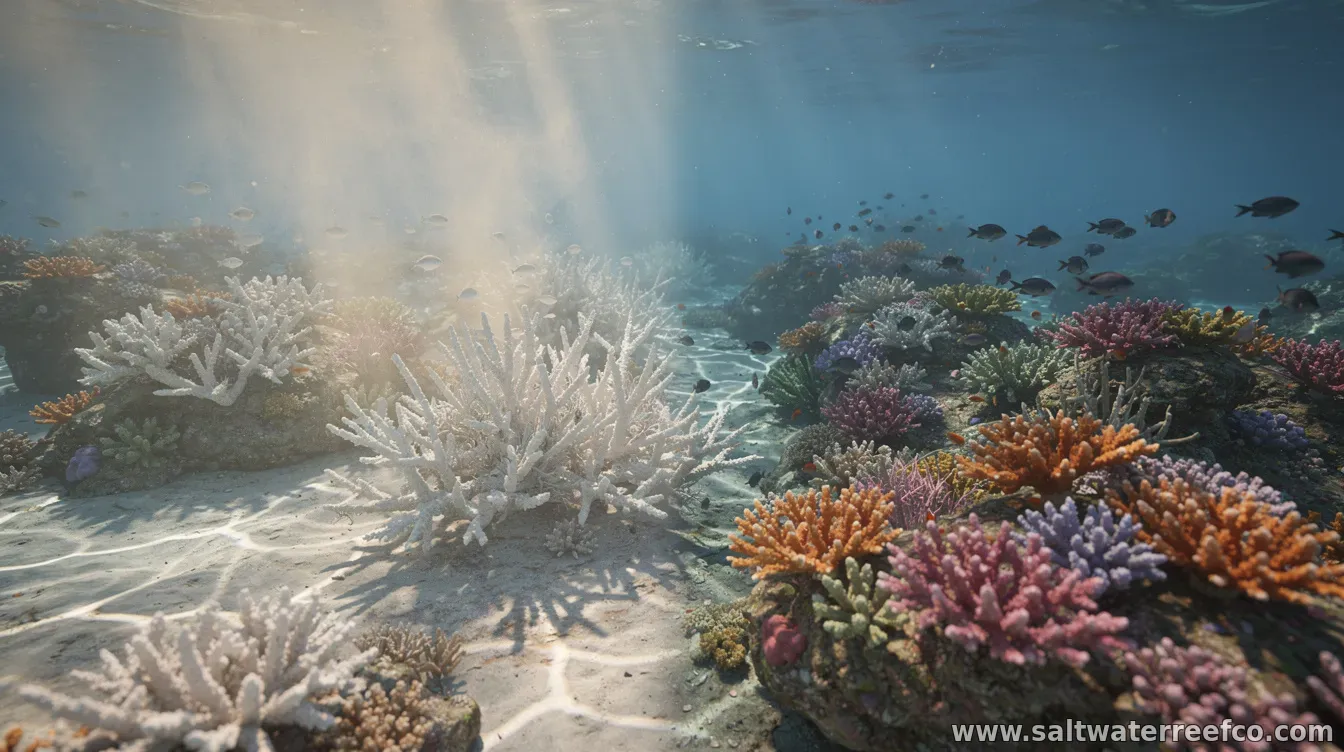
Coral reefs are among the planet’s most diverse ecosystems, but they are increasingly vulnerable to coral bleaching. Bleaching occurs when stressed corals expel the algae that provide them with color and much of their energy—leaving the coral tissue pale or white. If stress persists, corals can starve and die, undermining fisheries, coastal protection, and tourism. Although bleaching can be triggered by several factors, the most consistent and urgent cause is warming ocean temperatures. As heatwaves intensify, reefs experience longer periods of thermal stress, reducing the time corals have to recover between events. What causes coral bleaching?1) Rising sea temperatures. When water temperatures rise above the range corals can tolerate, the symbiotic algae become less effective and are expelled. Bleaching often occurs during or shortly after marine heatwaves. 2) Marine heatwaves and prolonged stress. Not just the peak temperature matters, but the duration. Extended heat can prevent corals from regaining their algae, increasing mortality risk. 3) Water quality problems. Nutrient pollution from agricultural runoff, sewage, and sediment can make corals less resilient. Even when temperature is the direct trigger, poor water quality can intensify the overall stress response. 4) Other stressors. Physical damage from storms, destructive fishing practices, anchor drops, and tourism pressure can weaken reefs. Ocean acidification and low oxygen conditions can also reduce coral growth and recovery capacity. Why bleaching mattersWhen reefs bleach, the ecosystem’s balance shifts. Many reef-dwelling fish lose habitat and food sources linked to healthy coral. Coastal communities may feel the impacts through reduced fish catches and weaker natural barriers against waves and storms. Bleaching events can also set off a longer-term cycle: damaged reefs have fewer defenses against the next heatwave, making recovery harder. In areas repeatedly exposed to high temperatures, some reefs may shift toward algae-dominated systems. How to prevent coral bleachingPreventing bleaching requires action at two levels: global climate mitigation and local reef protection. Global action (the biggest lever): Cutting greenhouse-gas emissions reduces the frequency and severity of marine heatwaves, giving reefs more time to recover. Cooling the planet’s oceans is the only way to address the root cause for most large-scale bleaching. Local action (to reduce stress and boost recovery): Even under warming, reefs respond better when additional pressures are minimized.
Some regions also use early-warning systems and heat monitoring to trigger temporary measures, such as tightening protections during forecasted heat stress. While these steps cannot stop widespread warming, they can improve the odds that reefs bounce back. Coral bleaching is a warning signal about ocean health and climate change. The path to prevention combines urgent emissions reductions with targeted local management that strengthens reefs against secondary threats. Protecting reefs today also helps preserve the services they provide for communities far beyond the shoreline. |
|
|
Next & Previous posts