2:09 AM Acropora: Why It’s the Ultimate Challenge in Reef Keeping |
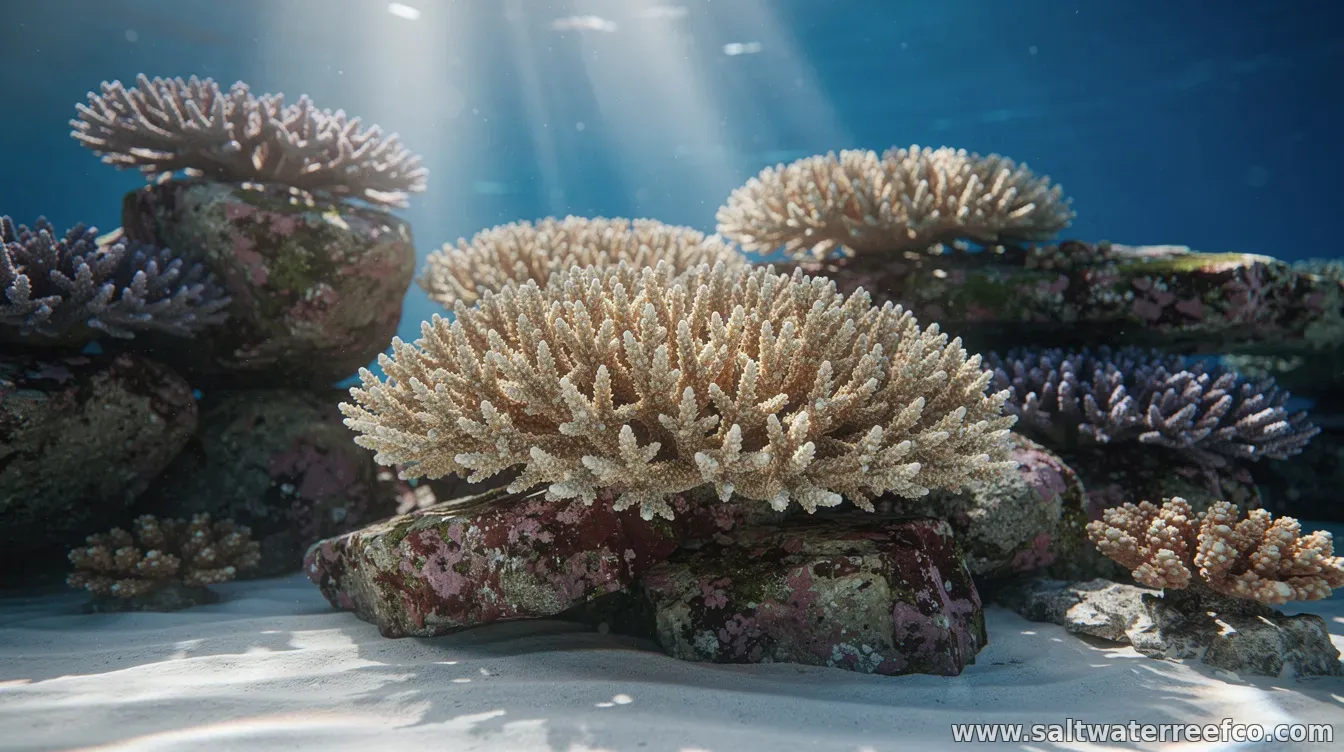
Acropora is one of the most sought-after corals in reef aquariums—bright, branching, and capable of rapid growth. It’s also infamous for being unforgiving. For many reef keepers, the transition from “surviving” corals to keeping Acropora reliably is the point where their systems, routines, and testing habits are tested to the limit. It demands razor-precise water chemistryAcropora calcifies quickly, which means it reacts faster to imbalances in alkalinity, calcium, and magnesium. Even when a tank seems stable for slower-growing species, Acropora can show early signs of trouble—paling, reduced extension, or tissue recession—when parameters drift. Maintaining consistent dosing and avoiding swings often matters as much as hitting the “right” number. Light and flow must match the coral’s needsAcropora typically prefers strong, well-distributed lighting and dynamic water movement rather than stagnant currents. Too little light can slow growth and increase susceptibility to nuisance problems, while excessive intensity—especially during rapid ramp-ups—can trigger paling or stress. Similarly, improper flow may leave dead spots, deliver insufficient particulate removal, or mechanically stress tips if the current is misdirected. It’s sensitive during acclimation and frag transitionsMany aquarists discover that Acropora responds strongly to changes in conditions. A frag placed into a new system may look fine for days, then begin to lose tissue after the coral experiences micro-variations in flow, temperature, salinity, or chemistry. Stable acclimation practices, careful placement, and giving colonies time to recover are recurring themes among experienced keepers. Small system issues scale up quicklyBecause Acropora can grow fast, “minor” weaknesses in a reef setup become more visible. Problems like inconsistent temperature control, oversaturated or undersaturated trace element levels, elevated nutrients, or fluctuations from feeding and skimming patterns can translate into slower growth or vulnerability to algae and bacterial stress. In practice, reef keepers often end up tightening filtration, improving circulation, and refining maintenance schedules to prevent small disruptions from becoming chronic. To many hobbyists, the challenge is not that Acropora requires exotic equipment—it’s that it rewards consistency. Frequent spot checks, reliable test methods, and disciplined water change routines (when used) help reduce parameter volatility. Just as importantly, keepers learn to observe extension patterns, polyp behavior, and coloration as early warning signals. For those who persevere, the payoff is significant: healthy Acropora can become a centerpiece of the reef, with noticeable growth and striking coloration. But the path there is often described as a rite of passage—because success typically depends on building a tank that stays stable even when life gets busy. |
|
|
Next & Previous posts