0:18 AM 10 Mistakes New Reef Keepers Make (and How to Avoid Them) |
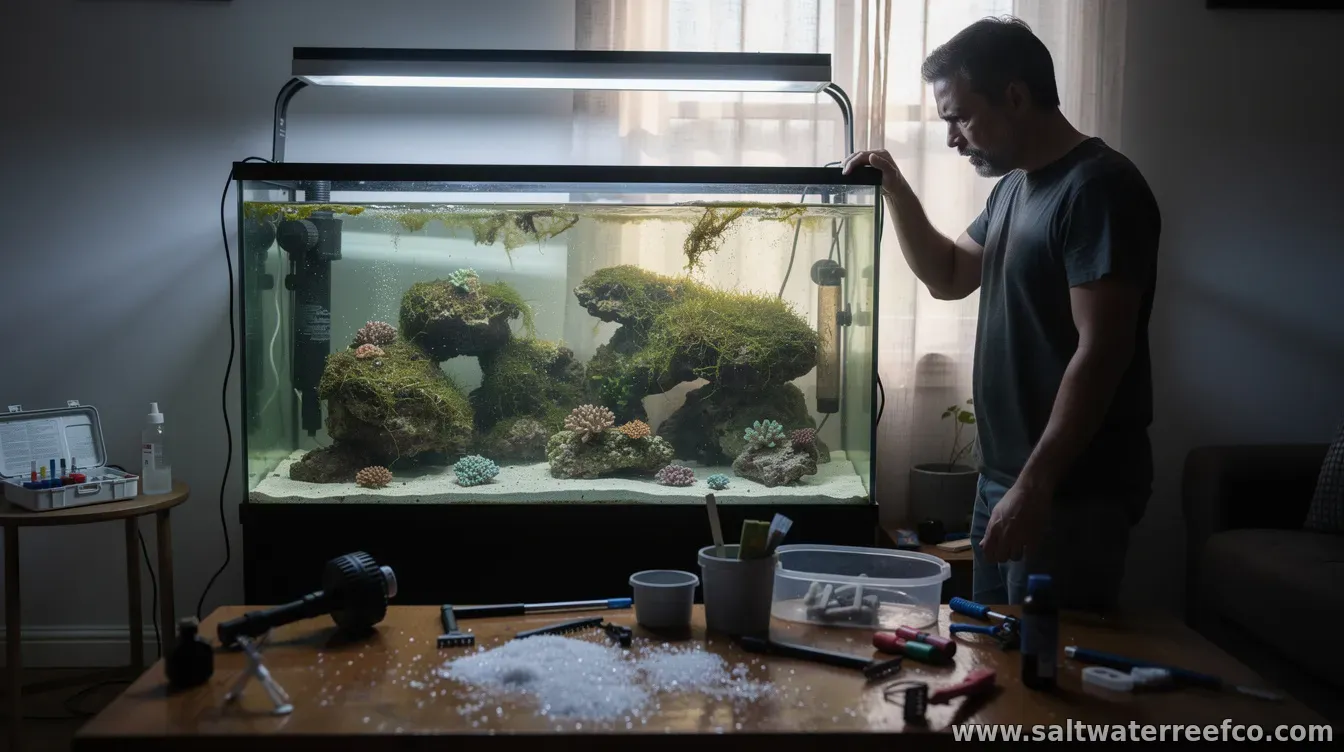
For new reef keepers, the learning curve can feel steep: tiny shifts in salinity, temperature, and nutrients can cascade into algae blooms or stressed animals. The good news is that most problems trace back to repeatable mistakes—mistakes you can prevent with the right testing routine, patience, and planning. 1) Skipping or rushing the nitrogen cycleOne of the most expensive beginner errors is moving livestock into the tank before it’s fully cycled. Reef systems rely on beneficial bacteria to convert ammonia into nitrite and then nitrate. Without that biological foundation, animals can suffer rapidly even when everything “looks fine” at first. 2) Relying on “eyeballing” water parametersReefs don’t tolerate guesswork. New keepers often check temperature only, or they test infrequently and assume the tank is stable. Consistent testing—especially for ammonia, nitrite, nitrate, alkalinity, calcium, and salinity—helps you catch swings early, before they become visible as tissue loss, bleaching, or persistent algae. 3) Not matching salinity—and mixing salt incorrectlySalt mixes and mixing habits matter. A common issue is uneven salinity because salt wasn’t fully dissolved, the water wasn’t mixed long enough, or measurements were taken before stabilization. Use a refractometer, mix saltwater with proper circulation and time, and re-check salinity after mixing. 4) Overfeeding too soonNew tanks can’t process waste the way mature systems do. Overfeeding drives nutrient buildup and fuels algae, while also increasing the bioload the tank has to handle while bacterial populations are still developing. Start light, feed conservatively, and adjust based on nitrate and phosphate readings rather than optimism. 5) Adding fish and coral on the wrong scheduleBeginning with “easy wins” is smart, but timing still matters. Many aquarists stock too quickly—especially right after cycling—without allowing biological filtration and microbial communities to stabilize. A slower stocking pace reduces stress and gives you time to learn how your tank responds. 6) Underestimating algae and nutrient controlAlgae isn’t just an aesthetic problem; it’s often a symptom of nutrient imbalance, weak export, or lighting and feeding mismatch. New reef keepers sometimes react by scrubbing or adding chemicals instead of addressing the root cause. The most durable approach is to manage nutrients with consistent feeding, water changes, and appropriate filtration (and, when relevant, algae-growth controls). 7) Ignoring flow and dead spotsCorals need more than just “bright light”—they need effective water movement. Poor circulation can create dead zones where detritus accumulates and tissues decline over time. Use careful placement and observation (for example, watching how debris moves) to confirm that flow reaches the whole reef structure. 8) Choosing the wrong lighting for the corals you wantBeginner setups often buy lights based on wattage or popularity rather than coverage and coral needs. Lighting intensity and spectrum decline across the tank, so corals placed too far from the brightest zone may struggle even if the tank appears well-lit. Start with compatible species for your lighting, then upgrade gradually if you plan to keep higher-demand corals. 9) Skimping on equipment and maintenance routinesReef tanks are systems, not decorations. Underpowered pumps, inconsistent temperature control, or skipping regular filter checks can turn small issues into big ones. Likewise, without a routine for topping off evaporation (with calibrated equipment), cleaning skimmers, and monitoring parameter trends, you’ll miss the early warning signs that make correction easy. 10) Panic-reacting instead of diagnosingWhen something goes wrong, it’s tempting to change several variables at once—new additives, water changes, and equipment tweaks in rapid succession. That approach can make the real cause harder to identify. Instead, change one thing at a time, review your test results, and focus on stability: slow corrections, consistent monitoring, and patience are often the difference between recovery and repeated setbacks. Bottom line: The healthiest reefs usually come from steady habits—proper cycling, regular testing, cautious stocking, and disciplined maintenance. If you build your routine early, you’ll spend less time chasing problems and more time enjoying your reef. |
|
|
Next & Previous posts