1:13 AM How to Read Saltwater Test Results and Fix Parameters Fast |
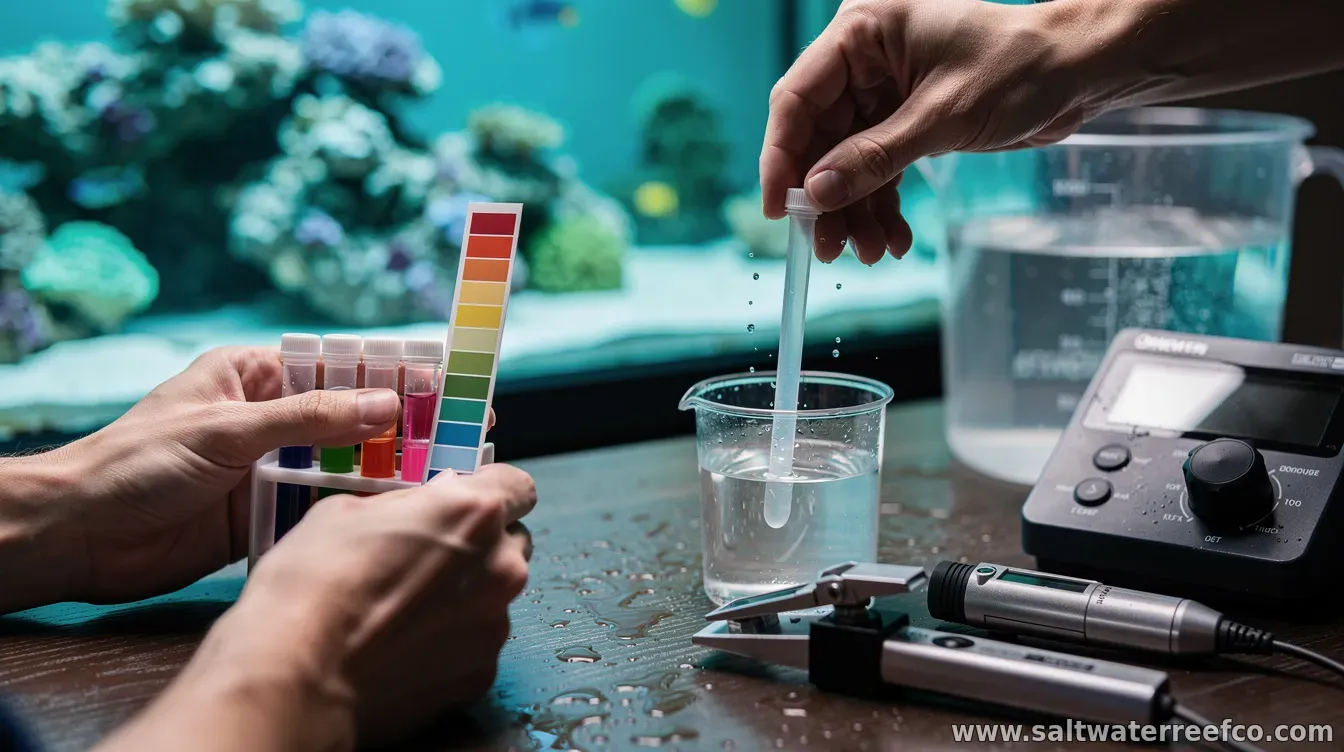
Correcting saltwater tank parameters starts with reading test results accurately. The fastest way to “fix everything” is to identify which values are truly out of range, understand what each one affects, and then make targeted adjustments—without creating new swings. Before you adjust anything, verify your inputs: test with fresh reagents, rinse sample containers (or use a disposable cup), record the temperature, and confirm calibration of any meters you use. Consistent technique matters more than owning the most expensive kit. 1) Know what each test result is telling youStart with the safety-critical readings first: ammonia and nitrite. If either is detectable, treat it as an urgent water-quality problem, because they are directly harmful to fish and invertebrates. Next, look at nitrate and phosphate—these don’t usually cause acute harm, but they often drive algae and coral stress over time. Then review the water chemistry stability targets: salinity/specific gravity, pH, alkalinity (dKH), and—if you keep stony corals—calcium and magnesium. These control how easily corals calcify and how stable the tank stays day to day. 2) Use a “priority order” to fix parameters fastWhen multiple values are off, fix in this order to minimize damage and prevent chasing your tail:
This priority prevents you from adding supplements to a system that still can’t process waste or maintain baseline salinity and buffering. 3) Fast diagnosis: common “out of range” patternsAmmonia or nitrite detected: the biofilter isn’t converting waste. Common causes include a recently started tank, a filter change without preserving media, overfeeding, or a power/oxygenation issue. The “fast fix” is usually to remove stressors (stop feeding heavy), improve oxygenation and flow, and ensure the biofilter is active. High nitrate: often indicates either insufficient export (skimmer, algae growth, carbon dosing/biopellets as applicable) or too much input (feeding). Fast improvements typically combine reduced feeding with increased export (water changes, improved mechanical filtration, and—if you use them—targeted nutrient control methods). High phosphate: can come from foods, rocks/sand leaching, or inadequate removal. Phosphate can also rebound after changes, so use consistent export and avoid abrupt overcorrection unless you have a clear plan. Alkalinity swings or low alkalinity: can indicate consumption outpacing dosing, inadequate alkalinity source, or unstable testing. If you run carbonates, dose slowly and check again after stabilization (rather than one large correction). Low calcium or magnesium: is especially common in tanks that are growing lots of calcifying organisms. These usually improve with the right supplementation, but magnesium should be addressed to keep alkalinity supplementation efficient and stable. 4) “Fix parameters” without causing swingsThe fastest safe corrections are the ones that don’t shock the tank. Use small adjustments, wait for mixing and biological response, and retest. As a general rule, avoid chasing test kit resolution—meaning don’t correct within tiny increments based on one reading that could be within normal measurement variation. For salinity, adjust using properly mixed saltwater of the same temperature and composition, and re-check after the system fully mixes. For alkalinity, calcium, and magnesium, dose according to manufacturer guidance and supplement slowly, then retest at a consistent time interval. For nutrients (nitrate and phosphate), prioritize gradual reduction and long-term export. Sudden large reductions can stress corals and create instability in microbial communities. 5) What to do today: a practical “test → act” workflowUse this quick loop to respond the same day, rather than guessing:
This workflow helps you isolate cause-and-effect, which is the true “fast fix” when multiple parameters are off. 6) When to slow down and get helpIf your numbers keep changing wildly between tests, suspect measurement or mixing problems (test technique, sample timing, incomplete mixing, or contaminated containers). If you’ve corrected the obvious issues (salinity, biofiltration, obvious overfeeding) but ammonia/nitrite persist, it may indicate the biofilter isn’t established or is being inhibited—at that point, a more structured troubleshooting plan (or a consultation) is often faster than random dosing. With consistent testing and a priority-based correction plan, you can move from “confusing results” to clear action quickly—while keeping your tank stable enough for fish and corals to recover. |
|
|
Next & Previous posts