0:01 AM Restaurant Aquarium: Key Considerations Before Installation |
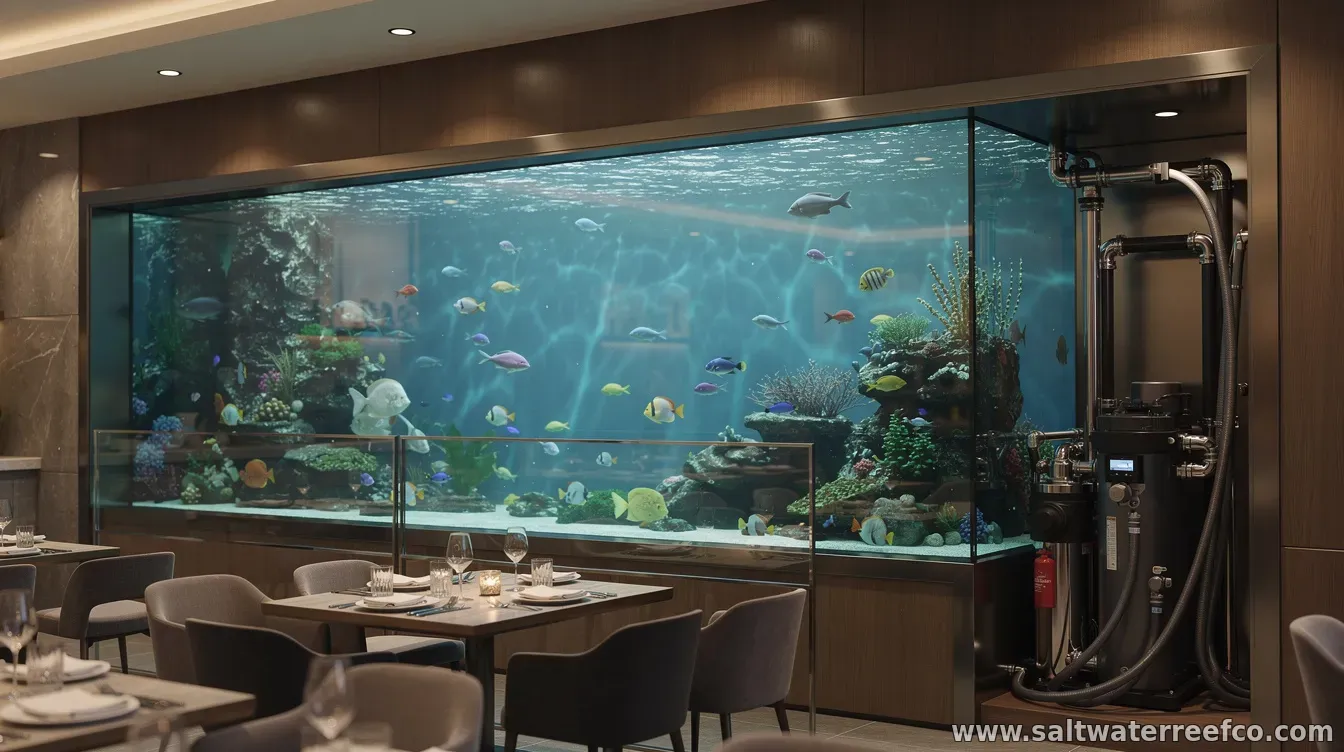
Restaurant aquariums can create a memorable dining atmosphere, turning a space into an experience. But a successful installation requires more than choosing the right tank and décor. The biggest risks—fish health, guest safety, and expensive downtime—usually come from decisions made early in the planning process. Start with a clear goal: is the aquarium a centerpiece for brand storytelling, a low-maintenance display, or a larger biotope-style feature? Your answer determines tank size, filtration capacity, lighting intensity, and staffing needs. If you want predictable operations, consider a design that matches your team’s maintenance time rather than maximizing visual impact. Structural and safety planningAquariums are heavy, especially when fully filled. Before installation, confirm the tank footprint and weight with a structural professional and verify the floor can handle dynamic loads. Plan for safe electrical routing, proper ground-fault protection, and moisture-resistant outlets. You’ll also want to prevent leaks through appropriate plumbing design, secure tubing, and a clear maintenance access path. Think about guest interaction too. Even a “view-only” tank should have barriers or protective design elements to reduce the chance of accidental contact, impact damage, or water splashes near dining areas. Filtration, water quality, and species fitWater clarity and fish wellbeing depend on correctly sized filtration, reliable temperature control, and consistent circulation. The tank’s biological load (how many and what kind of fish) should be matched to your filtration system’s capacity. Overstocking for appearance is a common mistake that can trigger algae blooms, unstable water parameters, and recurring health problems. Lighting and feeding schedules should be realistic for your operating hours. Some display setups can be run as relatively stable systems, while others require more frequent monitoring. Establish who will test water parameters, how often, and what thresholds will trigger corrective action. Maintenance workflow and costsEven well-designed restaurant aquariums require ongoing labor: routine filter checks, glass cleaning, water change planning, waste management, and equipment inspections. Ask vendors to provide a maintenance schedule and include consumables (replacement media, test kits, cleaning tools) in your budgeting. Build contingency time for unexpected issues like equipment wear or algae outbreaks. Also plan for sourcing and holding. If your chosen fish need specialized care or frequent restocking, operational complexity rises. Many owners reduce risk by selecting hardy, compatible species and creating a consistent supply chain with experienced local support. Permits, compliance, and vendor supportDepending on your location, permits may be required for electrical work, plumbing connections, or building modifications. Local health and safety standards can also influence placement and maintenance procedures—especially if the aquarium is near food prep areas. Confirm requirements early to avoid delays after construction. Finally, choose partners who can support more than the initial build. Look for a team that offers commissioning, documented operating procedures, and a clear escalation path for troubleshooting. The most attractive aquarium is only as good as its long-term reliability. With thoughtful planning—structural checks, correctly matched filtration, a realistic maintenance workflow, and verified compliance—a restaurant aquarium can be a durable investment rather than an ongoing headache. |
|
|
Next & Previous posts