0:39 AM Best Places for Reef Hobbyists to Connect in Chicago |
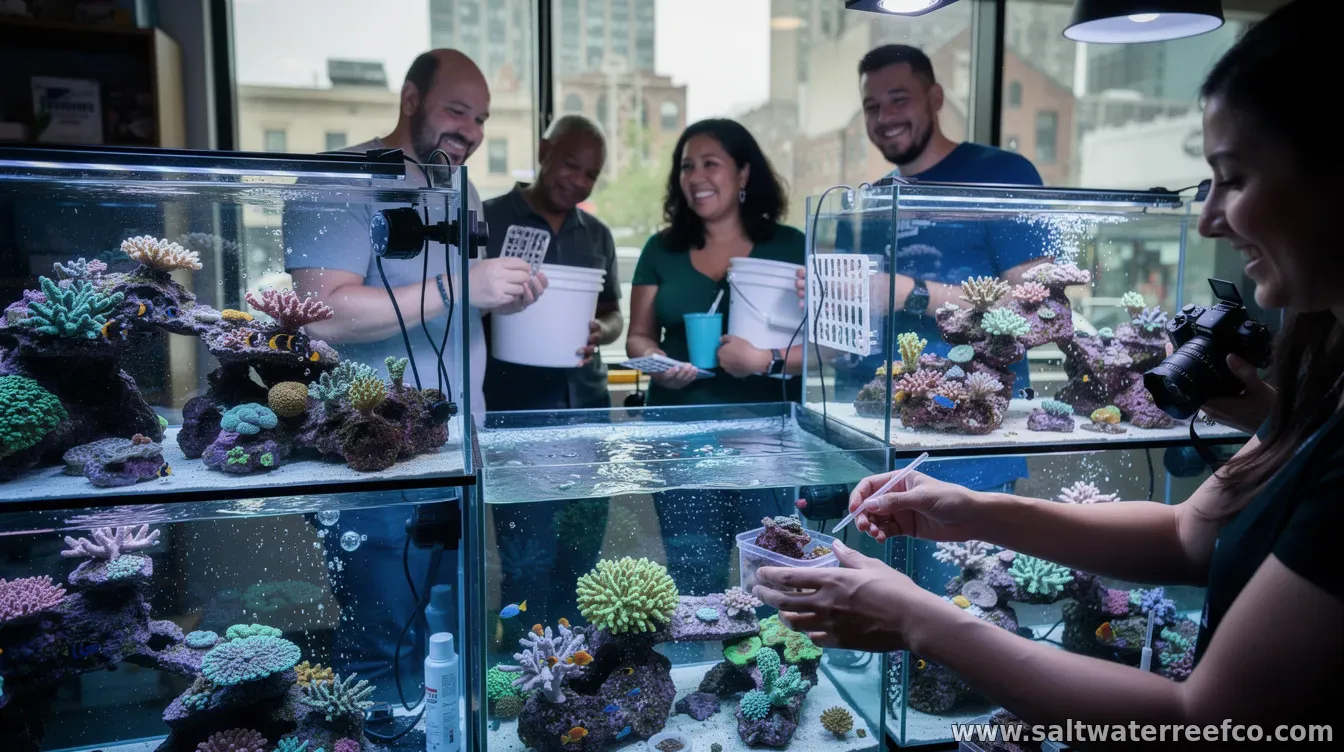
Reef hobbyists in the Chicago area don’t have to go it alone. Between specialty aquarium stores, local interest groups, and active online communities, there are plenty of opportunities to meet people, compare tank notes, and find new frags or supplies. Below are some of the best places to connect—whether you’re chasing coral propagation tips, looking for equipment recommendations, or just want more faces to swap ideas with. 1) Specialty aquarium stores with reef-focused communitiesIn-person retail spaces often serve as informal hubs where hobbyists trade recommendations and share what’s working. Look for local aquarium shops that regularly stock saltwater supplies, have knowledgeable staff, and promote reef events, frag drops, or special orders. When you visit, pay attention to community cues: staff discussions about stability, lighting schedules, and water parameters; customer bulletin boards; and whether the store hosts meetups or networking sessions. 2) Local reefing clubs, chapters, and hobbyist meetupsClubs are usually the fastest path to deeper connections, because members meet repeatedly and build relationships beyond a single purchase. Many groups organize tank tours, speaker nights, or swap events where people can learn directly from experienced reefers. If you’re new to the hobby, attending a club event is especially valuable—members can help you avoid common pitfalls such as rushing the nitrogen cycle, underestimating salinity swings, or choosing livestock that doesn’t match your system. 3) Regional aquarium societies and event calendarsEven if a group isn’t exclusively reef-focused, broader aquarium societies often attract reef hobbyists and can include saltwater-friendly speakers, competitions, or vendor meet-and-greets. These events are great for meeting people who keep reef tanks, as well as for finding corals, rock, and used gear from reputable hobbyists. Check local event calendars and community listings regularly—swap dates and presentations can be seasonal, and early RSVPs can help you plan around travel and tank-care constraints. 4) Online community groups that connect directly to Chicago-area activityOnline platforms can be especially useful in the Chicago area because they help you find nearby reefers for local trades, meetups, and equipment handoffs. The best groups are the ones that consistently share practical advice (not just photos), and that coordinate pickup times for frags or livestock. When joining, prioritize communities where members clearly discuss husbandry and tank specs—tank size, lighting, flow patterns, temperature stability, and water parameters—so you can ask targeted questions and build trust quickly. 5) Frag swap culture and equipment exchangesFrags, swaps, and equipment exchanges are community gold. They create low-pressure ways to meet other hobbyists while also learning what’s thriving in the local environment—especially when people discuss how they acclimate new corals or quarantine arrivals. As you attend swaps, take notes on acclimation routines and feeding strategies. Over time, you’ll learn which hobbyists share reliable information and which vendors or sellers are transparent about care requirements. 6) How to get the most from every connectionWhether you’re talking to someone at a store, joining a club discussion, or coordinating a local pickup online, a few best practices make it easier to form productive relationships in the hobby.
Good community connections aren’t just about getting frags—they’re about learning faster, avoiding avoidable setbacks, and building a reef network that lasts through new tank cycles and upgrades. With a mix of local stores, organized meetups, and Chicago-area online groups, you can find reef friends, reliable advice, and opportunities to participate in the culture that keeps the hobby growing. |
|
|
Next & Previous posts