0:54 AM What to Do When an Aquarium Leaks or Filtration Fails |
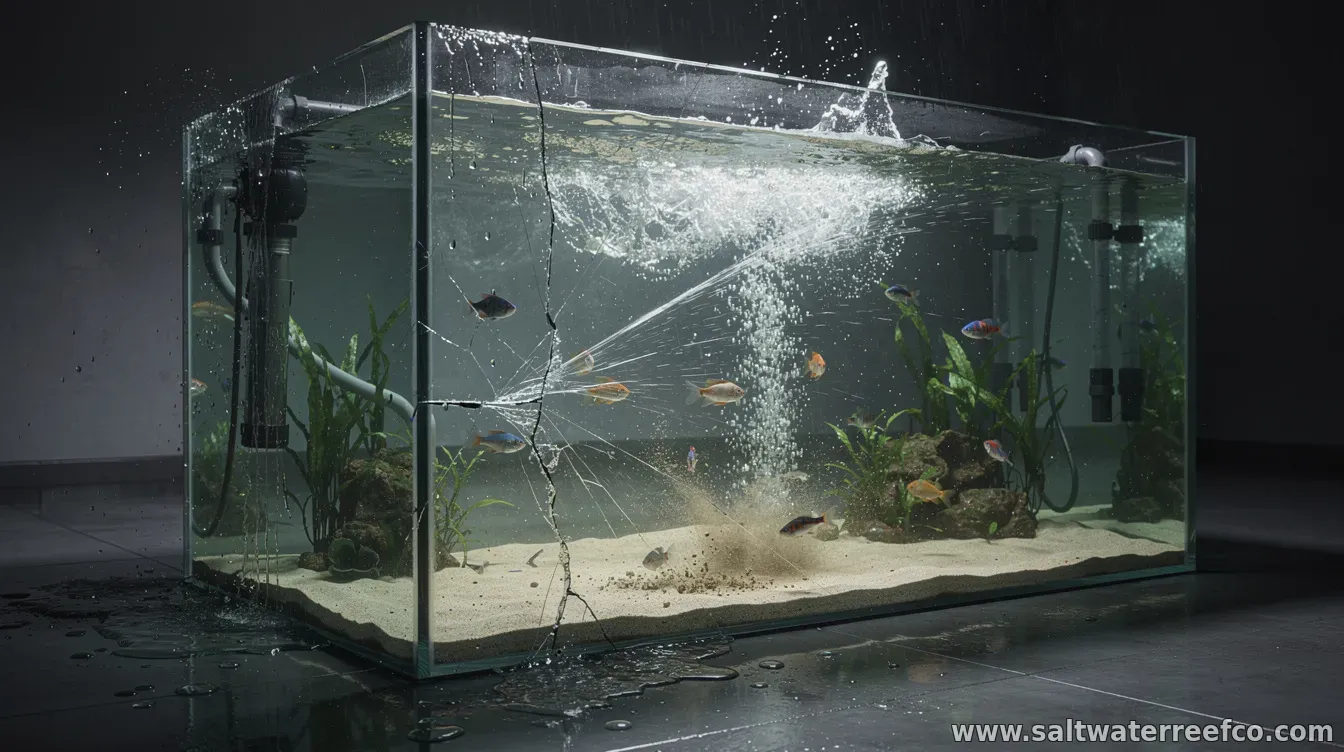
Whether it’s a slow drip behind the tank or a sudden loss of filter flow, aquarium emergencies require calm, fast action. The goal is the same in both scenarios: keep fish and beneficial bacteria alive, maintain safe water conditions, and stop the problem from getting worse. 1) Act immediately to reduce risk to people and livestockFirst, address safety. Unplug electrical equipment near water only if it’s safe to do so, then prevent anyone from slipping. If the leak is active, move the tank’s surroundings clear of valuables and set up towels or a shallow catch area to limit water spread. Next, assess urgency for the animals. If filtration is off or water is leaking fast, assume conditions can change within minutes to hours—start the rescue steps right away rather than troubleshooting. 2) Contain the leak and decide whether to relocate fishIf water is leaking, stop it at the source if possible (tighten fittings, reseat plumbing, or address a loose hose). If the leak rate is low and you can safely contain it, you may keep the tank running while you prepare. If the leak is significant or the tank can’t be stabilized, plan a temporary transfer. To relocate fish, use clean, dechlorinated water from the aquarium if you have time. Match temperature as closely as possible and handle fish gently to minimize stress. Keep fish in a covered container for security and reduced evaporation, and ensure aeration if there’s no filter. 3) Preserve biological filtration during failureFor filtration problems, the biggest risk is not just dirty water—it’s the loss of beneficial bacteria that convert toxic ammonia and nitrite. If the filter stops working, don’t “restart later” with untreated media. If you can access the filter quickly, keep the filter media wet and in aquarium water (not tap water). Do not let media dry out. If you must move media to save it, use a sealed container with tank water and keep it cool but not cold—aim for “survive until you can restore flow.” If you have a backup filter or can borrow one temporarily, that can jump-start the bio-cycle. Otherwise, focus on oxygenation (air stone or gentle surface agitation) and water quality control while you repair. 4) Stabilize water quality fast: test and control ammoniaDuring leaks and filter failures, test water as soon as you can—at minimum check ammonia, nitrite, and pH if you have kits available. Even if fish look okay initially, ammonia can rise quickly when filtration is down. Reduce feeding immediately to lower waste production. If ammonia or nitrite begins to climb, take corrective action appropriate to your supplies—commonly that means water changes with dechlorinated water and/or using an ammonia/nitrite detox product according to label directions. Keep in mind that large, sudden temperature swings and aggressive chemical dosing can compound stress. Make changes steadily and monitor results. 5) Fix the filtration issue without “washing away” the cycleOnce safe, diagnose the failure. Common causes include clogged intakes, power outages, air leaks in tubing, a failed pump, or a filter that was recently cleaned too thoroughly. If you clean filter media, rinse only in removed aquarium water and avoid over-scrubbing. The goal is to remove excess debris without eliminating the bacteria that keep the tank safe. If hardware is the problem—broken pump, cracked housing, or damaged seals—replace the part, then re-establish flow as quickly as possible. If a power outage is suspected, keep aeration running and prepare for a rapid return to filtration. When to call for help (and what to tell them)Consider contacting an aquarium professional or an experienced local club if you’re dealing with a large leak, a significant loss of filter function, or an unusually sensitive species (or a heavily stocked tank). They can help interpret test results and recommend safe next steps. Before you reach out, note the timeline: when the leak began or the filter stopped, current temperature, container volume used for any transfer, and recent test readings. This information speeds up accurate guidance. In most emergencies, the best outcome comes from quick containment, preservation of biological media, immediate aeration, and careful water testing. With those priorities in place, you give fish the best chance while you restore the aquarium to stable operating conditions. |
|
|
Next & Previous posts