0:32 AM Coral diseases explained: tissue loss, bleaching, RTN/STN |
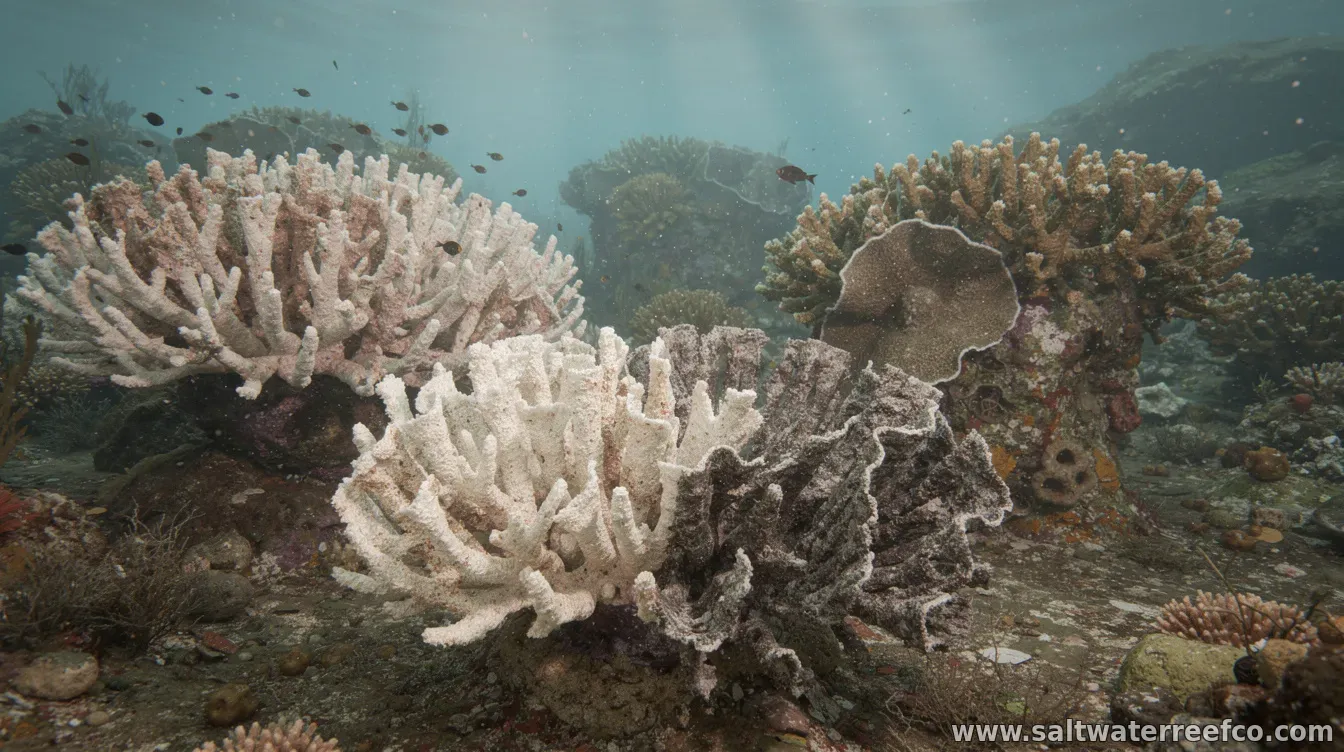
Coral reefs are increasingly strained by a mix of stressors that can trigger disease outbreaks, accelerated tissue loss, and mass bleaching. Among the most discussed problems are tissue-loss conditions, bleaching events driven by high sea temperatures, and rapid tissue-loss phenomena often labeled RTN and STN. While each term points to different symptoms and causes, many reefs experience more than one in the same season—making recovery harder and raising concerns for reef-dependent communities and ecosystems. Tissue loss: what it looks like and why it mattersTissue-loss diseases are characterized by the disappearance of the living coral tissue that covers the skeleton. Depending on the coral species, the change can appear as a progressing band of damaged tissue, exposed white skeleton, or areas that look “shrunk,” rough, or eroded. In the field, scientists often track the speed of the progression and whether it spreads to nearby colonies. In many cases, tissue loss is associated with microbial imbalances on the coral surface and within the mucus layer—conditions that can be intensified by warmer water, sedimentation, nutrient pollution, and physical damage. Bleaching: a heat-driven stress responseBleaching occurs when corals expel the symbiotic algae (zooxanthellae) that provide much of their color and energy. The most common trigger is sustained heat stress. Without these algae, corals turn pale or white and become less able to grow, reproduce, and resist further stress. Bleached corals are not always dead immediately, but prolonged or repeated bleaching events can raise mortality rates. Bleaching can also make corals more susceptible to other problems, including disease processes and tissue-loss outbreaks. RTN and STN: rapid tissue-loss labels with different patternsResearchers use RTN (rapid tissue necrosis) and STN (slow tissue necrosis) to describe fast- or slower-moving declines in coral tissue. Although the underlying biology can vary by coral species and local conditions, the terms help communicate how quickly affected areas advance. In general, RTN is associated with faster degradation that may spread across a colony in days to weeks, while STN may progress more gradually. Scientists studying these events often look for links to temperature anomalies, water quality, and the presence of specific microbial communities at the edge of tissue loss. How these threats can overlap on the same reefIn real-world reef systems, bleaching, tissue loss, and RTN/STN-like patterns may appear in sequence or simultaneously. Heat stress can weaken corals and alter their immune responses, while local pollution or repeated disturbances can increase microbial pressure. Once tissue begins to decline, remaining healthy tissue may become a vulnerable target, allowing progression to continue. This overlap is one reason reef recovery can be slow: even if a bleaching episode ends, corals may still face ongoing disease pressure that limits regrowth and increases the odds of further losses. What researchers and managers focus on nextExperts emphasize early detection, consistent monitoring, and improved water quality to reduce compounding stress. Many conservation approaches also prioritize restoring resilience—such as protecting herbivores that help control algae, reducing sediment and nutrient runoff, and supporting coral populations that show better recovery after heat events. As scientists refine diagnostic tools, including field observations paired with microbiome and environmental data, the goal is to distinguish which mechanisms dominate in each outbreak and to forecast where risks are rising. |
|
|
Next & Previous posts