0:44 AM How to Feed Lionfish and Scorpionfish Safely |
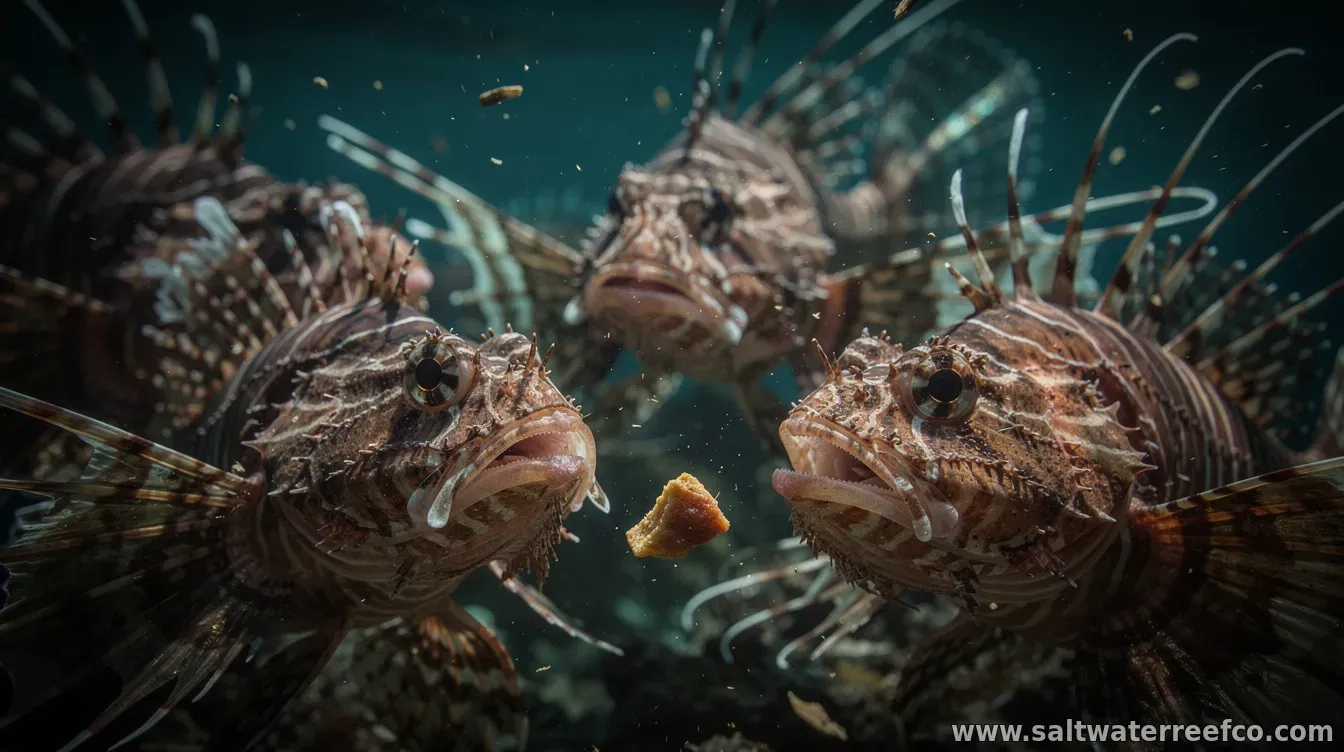
Predatory fish such as lionfish and scorpionfish are popular aquarium inhabitants, but their care—especially feeding—demands precision. Because these species rely on ambush hunting and possess venomous spines, the feeding routine should prioritize safety, appropriate prey nutrition, and stable tank conditions. While casual “toss in food” approaches may work short-term, improper portioning or unsuitable prey can contribute to poor digestion, nutritional gaps, and excessive waste that stresses the tank’s filtration system. Choose prey size and type that matches how they huntLionfish and many scorpionfish typically take whole, meaty prey that they can swallow without tearing. Common foods include marine fish fillets cut into appropriate pieces, silver sides, shrimp, and other whole seafood options—offered in sizes that are small enough to be ingested easily but large enough to engage their hunting behavior. As a baseline, many keepers aim for prey roughly sized to the fish’s gape (wide opening) so the fish can take it in one motion. If you notice repeated dropping of prey, hesitant feeding, or spitting after ingestion, the prey size may be too large—or the food may not be fresh enough. Set a feeding schedule that prevents overfeedingOverfeeding is one of the most common causes of problems in captive systems. A practical approach is to feed in small portions that are consumed within a short window, then observe how quickly the fish returns to normal behavior. For many adult specimens, feeding once every day or every other day is sufficient, while juveniles may require more frequent meals depending on their condition and growth. Track outcomes over time: weight and body condition, visible appetite at feeding, and how the tank’s water parameters respond after feeding. If the tank shows spikes in ammonia or nitrite, or if you consistently see excess uneaten food, reduce portion sizes and/or feeding frequency immediately. Use safer handling and feeding practicesDo not attempt to handle lionfish or scorpionfish with bare hands. Their spines can deliver painful stings, and even “non-spiny” contact around fins and edges can cause injuries. Instead, use feeding tools such as long tongs or feeding sticks, and keep your hands and face away from strike zones. Keep feeding areas uncluttered and predictable. If multiple predatory fish share the tank, confirm that feeding does not trigger aggressive collisions at the surface or in tight rockwork. Providing calm, consistent timing—often the same time each day—can reduce stress-related refusals. Support health with fresh, nutritious preyIn the wild, these fish consume nutrient-dense, whole prey. In captivity, the nutrition quality of the food matters. Whenever possible, select fresh prey items and consider variety across approved food types to reduce the risk of long-term nutritional imbalance. Good feeding hygiene also matters: remove uneaten food promptly, and avoid repeatedly feeding food that has deteriorated or been stored too long. Poor food handling can rapidly degrade water quality and increase the likelihood of digestive upset. Watch for red flags during and after mealsNormal feeding behavior typically includes a quick, controlled strike followed by swallowing without prolonged distress. Concerning signs include persistent refusal to eat, repeated dropping/spitting of prey, unusual buoyancy, or a fish that appears lethargic after feeding. If feeding problems occur, reassess prey size, freshness, tank stressors (such as incompatible tankmates), and water quality. Many lionfish/scorpionfish issues start with husbandry factors—so a careful review often prevents escalation. With safe handling, appropriately sized prey, and disciplined portion control, lionfish and scorpionfish can thrive in home aquariums. If you’re unsure about a specific prey item or schedule, start conservatively, monitor the fish closely, and adjust based on appetite and tank stability. |
|
|
Next & Previous posts