0:21 AM Clownfish Pairing and Breeding Basics for Beginners |
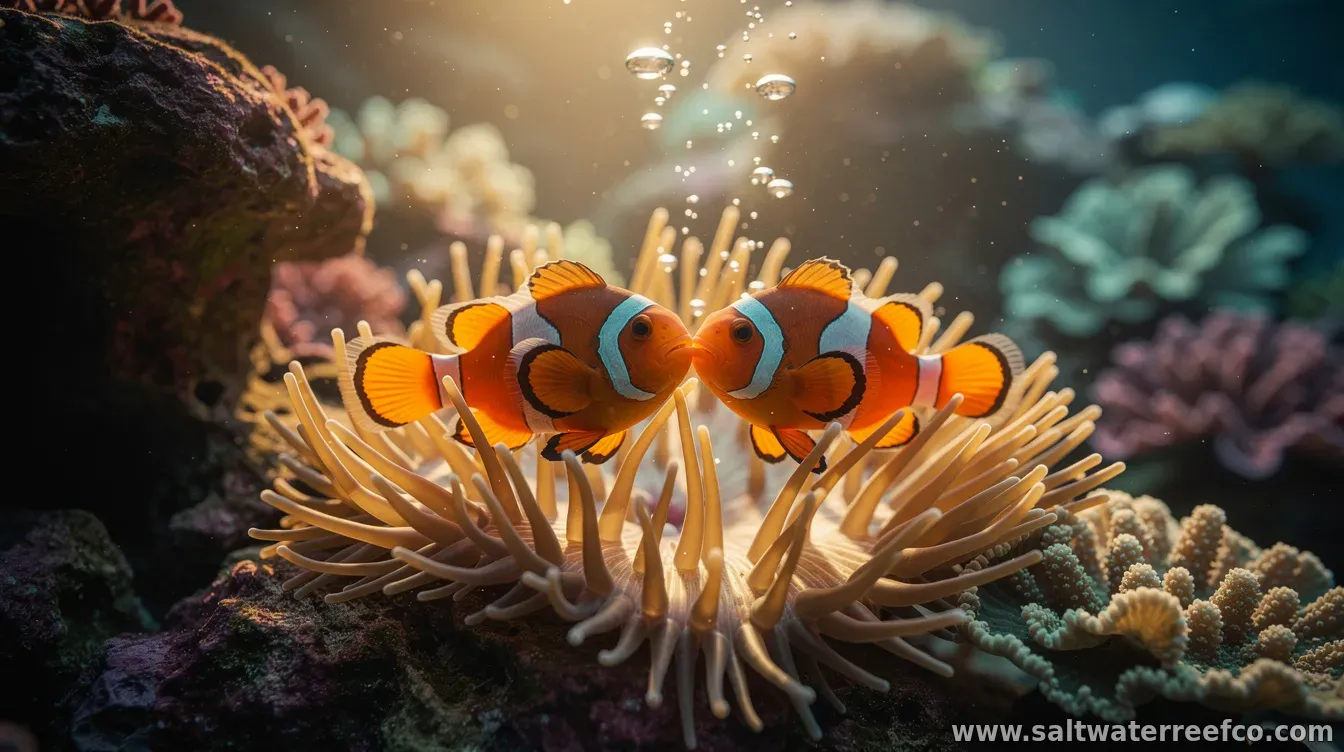
Clownfish pairing and breeding can seem mysterious, but most of the process follows predictable patterns: compatible fish form a bonded pair, the aquarium environment stays stable, and a reliable spawning routine develops over time. While results vary by species and setup, beginners can improve odds by understanding how pairs form and what conditions encourage egg-laying. 1) Understanding clownfish pairing behavior—Many clownfish species are protandrous hermaphrodites, meaning group dynamics and social rank matter. In a typical scenario, the largest and most dominant individual becomes the breeding female, while the smaller mate functions as the male. Breeding is most likely once a pair establishes dominance, shows reduced chasing toward each other, and begins to defend a consistent territory. Choose compatibility (and avoid constant regrouping)Pair bonding is sensitive to disruption. If you mix or repeatedly rearrange fish, the social hierarchy can reset. A common beginner approach is to buy juveniles from reputable sources and allow them to pair naturally in the same system, rather than trying to force an adult pair together. Look for signs of stability: coordinated swimming, gentle maintenance behavior, and shared guarding of a favored surface. 2) Tank stability is often more important than “perfect” décor. Clownfish breeding tends to respond best to consistent water parameters—especially temperature, salinity, and water quality. Avoid large swings, keep filtration reliable, and perform regular maintenance. Many spawns fail simply because conditions drift or the tank experiences frequent stressors like temperature changes, unstable salinity, or aggressive tankmates. 3) Provide a spawning surface and a host optionClownfish egg-laying typically occurs on a prepared surface—such as a flat rock, a protected area under décor, or, in systems using anemones, the host itself. For aquarists without a live anemone, many choose a suitable surrogate that offers comparable shelter and cues. The goal is to create a secure, low-disturbance site where the pair can maintain territory and guard eggs after spawning. 4) Recognize the spawning cycle. After pair formation and territory establishment, you may see cleaning behavior, surface preparation, and increased time spent near the egg site. Clownfish often lay eggs in batches, then both partners guard and aerate the clutch. In successful setups, you’ll notice the pair becoming more protective around the spawning area—reducing harassment and maintaining a familiar routine. What comes next: raising fry (the hardest part)Even when eggs hatch, raising clownfish fry is the next challenge. Newly hatched larvae require appropriate feeding and careful water management, and success depends on having a plan in advance. Many beginners focus first on achieving healthy spawning and learning pair behavior; once that’s consistent, they can evaluate whether they want to attempt larval rearing at home or transfer eggs/larvae to a dedicated system. 5) Practical expectations and common pitfalls. Breeding attempts frequently stall due to stress, sudden changes, incompatible pair formation, or inadequate guarding conditions. If you see frequent fighting, persistent bullying from other fish, or repeated egg destruction early on, treat it as a signal to adjust tank stability and social dynamics. Patient observation—paired with steady water quality—usually produces the best long-term outcomes. Clownfish pairing and breeding are achievable for dedicated hobbyists, but they reward preparation. Start by supporting natural pair bonding, keep the environment stable, offer a reliable egg site and host-like shelter, and be ready for the specialized work required once larvae hatch. With consistency, the behaviors that lead to spawning become easier to spot—and the chances of successful clutches improve. |
|
|
Next & Previous posts