11:55 PM Copperband Butterfly: Diet, Behavior, and Tank Setup |
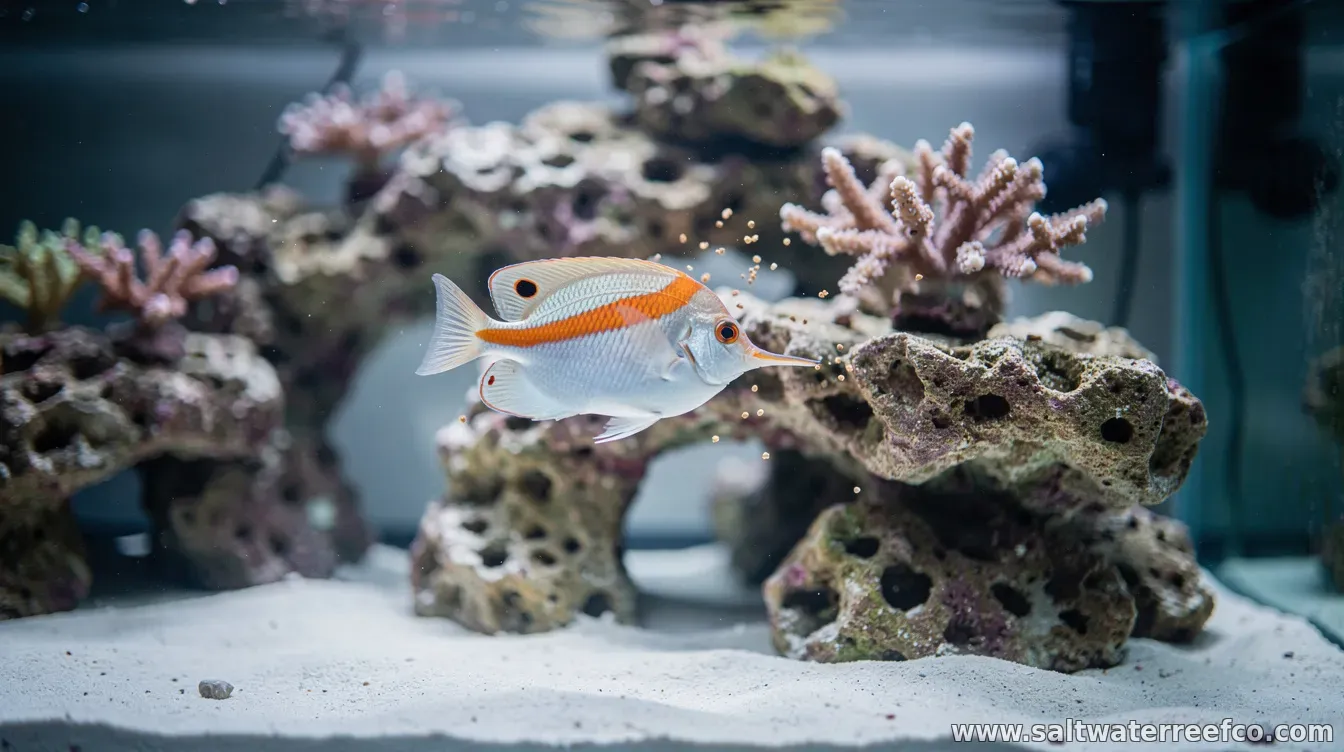
The copperband butterflyfish (Chelmon rostratus) is a popular marine species thanks to its distinctive look and potential to help with certain nuisance invertebrates. Still, it’s not a “set-and-forget” fish: success depends on offering dependable nutrition, minimizing stress, and providing a tank that supports natural behavior. Diet: what it needs to thriveCopperbands are generally best described as specialized feeders. In the wild, they probe for small, soft-bodied prey using their slender snout. In aquariums, that means owners typically need to transition or supplement the fish with foods that are consistently available and appropriately sized. Common diet approaches include finely prepared meaty foods and quality frozen offerings. Many keepers report better results when the copperband is fed multiple times per day in smaller portions rather than one large meal. If the fish arrives not eating, aquarists often try offering a mix of thawed frozen foods, small pellet options (if accepted), and commercially prepared butterflyfish foods designed for finicky eaters. Feeding tactics and common pitfallsBecause copperbands can be shy or slower to compete, tankmates and feeding schedules matter as much as the food itself. If dominant feeders are present, the copperband may struggle to get enough nutrition. Signs of trouble include weight loss, persistent refusal of offered foods, and a visibly sunken body condition. To improve acceptance, offer foods near the same time each day and consider feeding in a way that allows the fish to investigate and take its time. Some aquarists also use target-style feeding (placing food where the fish can access it) to reduce competition—particularly in mixed community tanks. Behavior: temperament, stress, and compatibilityCopperband butterflyfish behavior is often described as cautious. They spend time picking and investigating rockwork, especially if the aquarium has stable water quality and plenty of visual cover. Stress can quickly suppress feeding, so sudden changes, aggressive tankmates, or a tank without adequate hiding areas may lead to chronic problems. Compatibility varies by individual fish and by the rest of the community. Generally, copperbands do best with tankmates that are not overly territorial or quick to dominate feeding. If you want a calm, observant copperband, prioritize peaceful or similarly sized fish and be mindful of aggressive behaviors that can interrupt feeding. Tank requirements: space, water quality, and aquascapeFor tank setup, focus on stable conditions and sufficient space for active foraging. Copperbands benefit from an aquascape that supports “inspection” behavior—live rock structures, caves, and open swimming areas so the fish can choose where to feed and where to retreat. Water quality should be reliable: stable salinity, well-oxygenated water, and low fluctuations are key for sensitive marine fish. A mature tank (with established biological filtration) is strongly preferred, since copperbands can be less forgiving of unstable parameters. Lighting is usually less critical than filtration and oxygenation, but adequate overall lighting helps maintain a predictable reef environment. Finally, plan for how the copperband will be maintained long-term. In many systems, the difference between a healthy keeper and a recurring problem is consistent feeding success—made possible by matching tankmates, offering appropriate foods, and providing a stress-reducing layout. Bottom line: The copperband butterflyfish can be an impressive reef addition when the aquarium supports its natural probing behavior and owners provide a dependable diet. Aim for stable water quality, a well-structured aquascape, and a community that allows the copperband to eat regularly—then adjust feeding methods to the individual fish. |
|
|
Next & Previous posts