0:32 AM Mixed Reef vs SPS-Dominant Tanks: Lighting Needs |
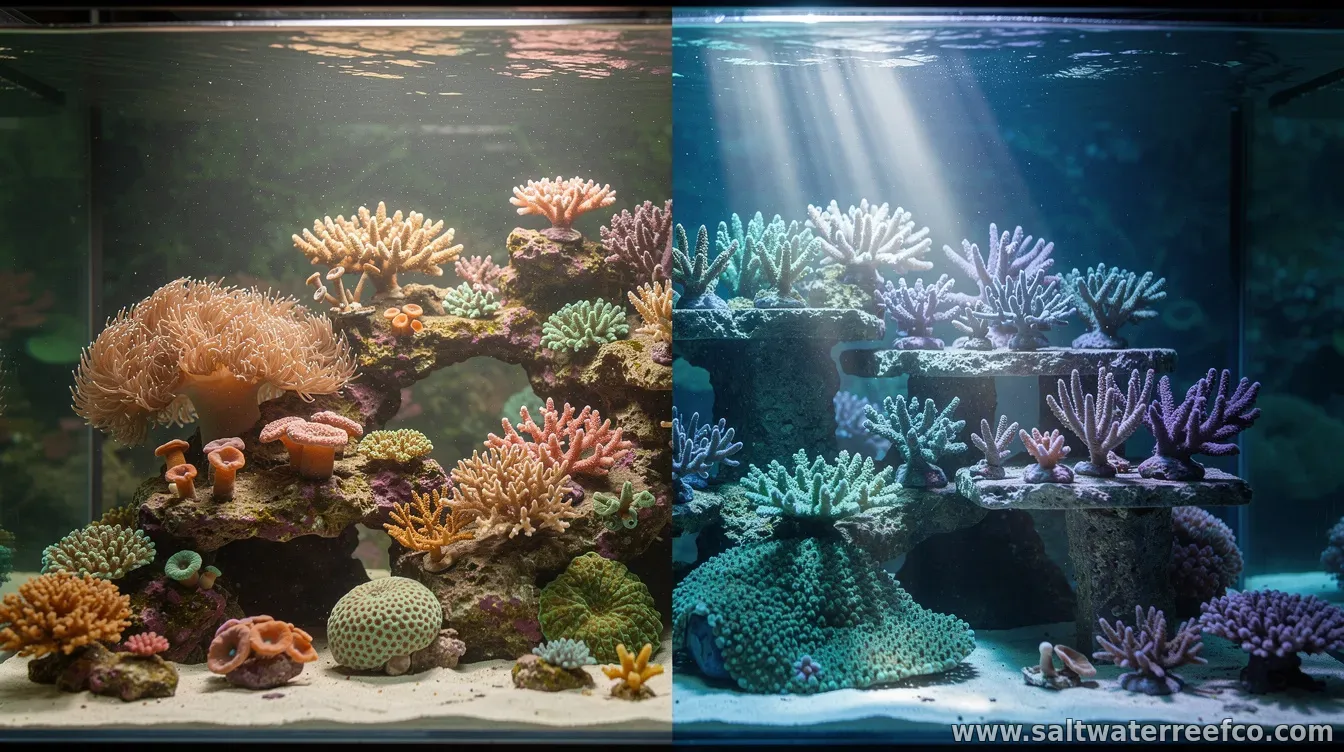
Choosing between a mixed reef and an SPS-dominant system is less about “better” and more about whether you want flexibility and variety—or maximum coral growth potential with tighter control. Lighting is usually the deciding factor because SPS generally demands higher light and more stable conditions than many other reef corals. Below is a practical comparison of both approaches, with the pros and cons that matter most, plus the lighting needs reef keepers commonly plan around when designing their setups. What a mixed reef typically looks likeA mixed reef combines different coral groups—often including soft corals, LPS (large-polyped stony corals), and some SPS—alongside a range of fish and invertebrates. This format is popular because it can be visually diverse and can remain stable even when conditions fluctuate slightly. In many mixed tanks, lighting is selected to support a range of photosynthetic corals rather than optimizing for the most light-demanding species. That said, good lighting still matters: strong flow, consistent nutrients, and appropriate light distribution are usually what keep colors and growth looking healthy. Pros of a mixed reef (and why it’s forgiving)Mixed reefs are often considered more forgiving because different corals tolerate varying light levels. You can place corals in different zones—brighter upper areas for some SPS or higher-light species, and lower or shaded areas for LPS and many soft corals. This zoning flexibility can help reduce the risk that one lighting change or accidental shadowing affects the whole display. They also tend to be easier to “future-proof” visually. If you decide to change coral direction later—adding more LPS, shifting toward certain zoanthids, or introducing a small SPS collection—your lighting plan can often be adapted without starting over completely. Cons of a mixed reef (where lighting can still become limiting)The main downside is that a mixed reef may not maximize the growth rate and compact branching look many aquarists associate with SPS dominance. If your lighting is tuned for lower-to-medium light corals, higher-light SPS species may either stall or bleach if not positioned carefully. Mixed tanks can also make it harder to dial in “ideal” conditions because you’re balancing multiple coral requirements at once. While this is part of the charm, it can complicate troubleshooting: if something fades or loses tissue, the cause could be lighting, nutrients, flow, or even allelopathy depending on what’s present. SPS-dominant tanks: intensity, stability, and placementSPS-dominant systems focus on small-polyped stony corals such as Acropora, Montipora, and similar fast-growing or high-light-demanding species. These corals generally need stronger light and more consistent parameters over time. Many SPS keepers design their tank around high PAR at the coral’s target depth, then use placement to manage how much light each colony receives. Because SPS responds strongly to changes, lighting selection and programming become central to success. Smooth ramping schedules, stable daily output, and careful acclimation after new bulbs or LED changes are common best practices. Pros of SPS dominance (growth, color, and structure)The biggest advantage of an SPS-dominant tank is the potential for high growth and crisp, branching or encrusting structure. With the right lighting and husbandry, many aquarists achieve the vivid polyp extension and coloration that makes SPS-focused displays so striking. SPS systems also encourage precise husbandry: once your light and flow targets are set, you can often streamline decisions. Instead of balancing multiple coral categories, you can optimize around similar lighting requirements for SPS species. Cons of SPS dominance (the trade-offs)SPS-dominant tanks usually demand stricter control. Lighting that’s too dim can lead to slow growth or pale coloration, while lighting that’s too intense—or increased too quickly—can trigger stress and bleaching. SPS also tend to be less forgiving of parameter swings, so changes to photoperiod, spectrum, or intensity typically require gradual acclimation. In addition, high-light setups can expose other weaknesses: inefficient nutrient export, inconsistent flow, or unstable alkalinity can show up sooner in SPS than in many other coral types. In practical terms, SPS dominance often means more regular testing and tighter tuning. Lighting needs: how to plan for each approachFor mixed reefs, many aquarists aim for a lighting strategy that supports a broad range of corals. That often means ensuring moderate brightness across most of the tank while leaving brighter “zones” near the top and/or in brighter islands of the aquascape. Corals that prefer less light can then be kept lower, under natural shading, or in gentler light gradients. For SPS-dominant tanks, the planning usually becomes more specific. Many keepers target strong intensity at the coral’s intended placement depth, then use acclimation and light mapping to find what each species tolerates. You can think of it as designing for performance at the SPS canopy: the more stable and appropriate the light conditions, the less time you spend correcting problems after the fact. Regardless of style, the most important lighting habit is acclimation. New corals, new fixtures, and bulb/LED changes should be introduced gradually, with attention to both short-term color response and longer-term tissue stability. Quick decision guide
Ultimately, the “right” lighting isn’t only about how strong the fixture is—it’s about how predictably it delivers usable light across your aquascape and how well you acclimate your corals to changes. If you align lighting design with the coral types you love most, both mixed and SPS-dominant tanks can look spectacular. |
|
|
Next & Previous posts