8:57 AM Beginner’s Guide to Coral Frags: Propagation Basics |
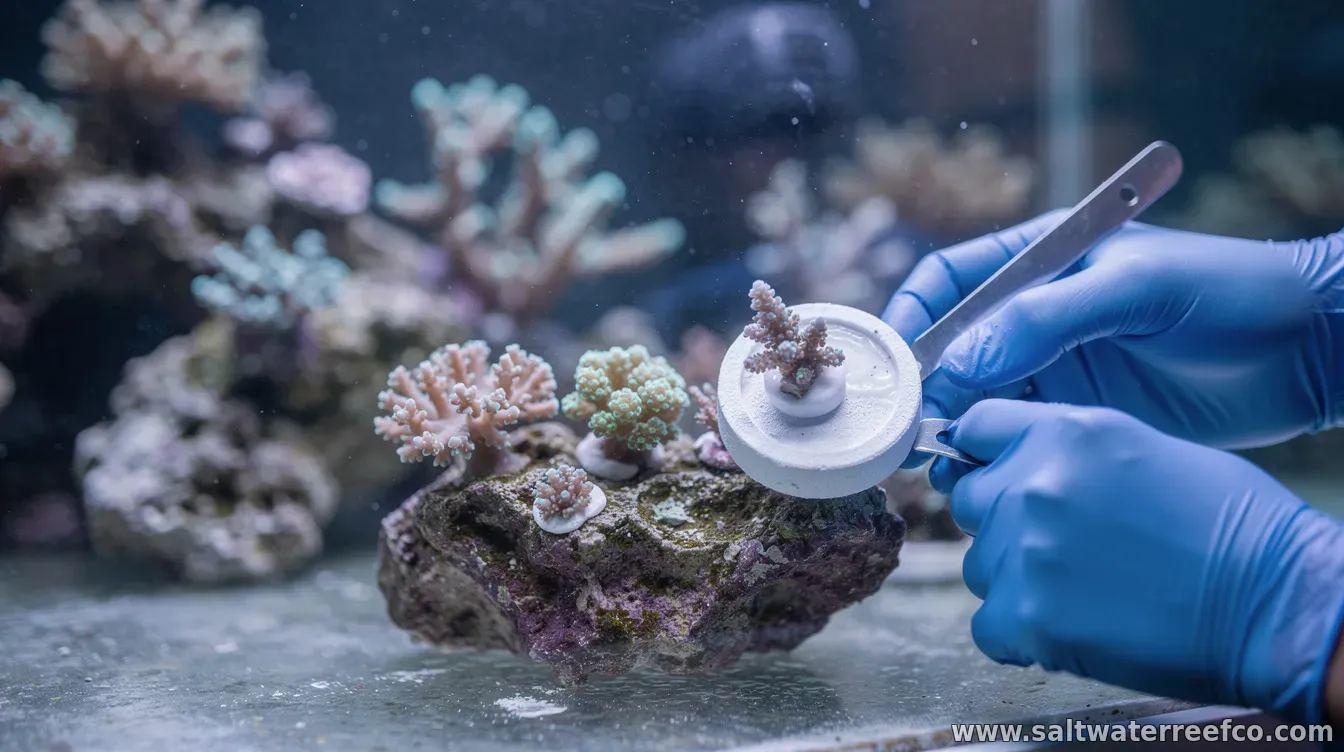
Coral propagation through fragmentation—often called “fragging”—is a technique used by reef hobbyists and some restoration groups to grow coral colonies from healthy pieces. While it can be rewarding, success depends on doing the basics correctly: choosing suitable corals, minimizing stress during cutting, and providing stable water and light conditions afterward. For beginners, the goal isn’t speed—it’s survival. Corals are living animals with delicate tissues, and small mistakes (rough handling, poor oxygenation, unstable flow, or inadequate light) can turn an otherwise healthy frag into a slow decline. 1) What you need before you startStart with the right setup and supplies. In most cases, you’ll want a clean cutting area, dedicated frag tools, a way to secure frags (such as plugs or epoxy), and separate holding space with strong, stable water parameters. Many failures come from contamination or letting cut tissue sit in the wrong conditions. Responsible note: follow local wildlife and reef-protection laws, and avoid taking fragments from protected reefs or areas where collection is prohibited. If you’re in a tank, keep sourcing ethical—only from established captive colonies or legal suppliers. 2) Pick the right coral and the right momentNot all corals frag equally. Beginners generally have the best odds with species commonly propagated in captivity and known to tolerate fragmentation. Look for a healthy donor colony: full polyp extension, consistent color, and no signs of tissue recession or nuisance overgrowth. Timing also matters. Many aquarists aim for periods when the coral is accustomed to strong feeding/lighting cycles and can recover in stable conditions. The key is consistency—avoid major parameter swings around the time you frag. 3) How fragging should be done (the “minimize stress” approach)Fragging is essentially controlled tissue damage. Use sharp, clean tools to make quick, precise cuts rather than tearing or crushing tissue. Work gently and keep handling time short. After cutting, promptly place the frag where it can recover under appropriate flow and light. Secure the fragment to its mount using methods that don’t trap air pockets or cover fragile tissue edges. Many coral keepers prefer approaches that hold the frag firmly but allow natural expansion. If you’re using epoxy, ensure it’s reef-safe and kept away from sensitive tissue as much as possible. Water quality matters immediately: if possible, frag in a way that prevents the cut from being exposed to dirty surfaces or long periods outside stable, oxygenated water conditions. 4) Recovery: placement, flow, and monitoringAfter fragging, the recovery phase is where most beginners either build success or encounter setbacks. Provide strong but not blasting flow—enough to keep waste from settling on the frag, but not so much that it lifts the fragment repeatedly or rubs it off the mount. Light should match the coral’s needs and acclimation history; abrupt changes can cause bleaching or tissue loss. Monitor the donor and the frag closely over days to weeks. Signs of trouble include persistent retraction, brown jelly-like deterioration, rapid paling, or tissue peeling. If you see decline, isolate the issue: check parameters, look for pests, and confirm the frag is secured and not being irritated by flow or contact with rocks. What to expect: healing timelines vary by species, size of the frag, and water stability. A healthy frag often shows early polyp extension and gradual tissue stability before growth accelerates. 5) Ethics and legality: propagation with careEven well-intentioned fragging can cause harm if sourcing and permits are ignored. If you’re working in a restoration context, partner with credible organizations that follow best practices for local ecosystems, disease screening, and donor-site management. For aquarium hobbyists, the safest path is using legal, captive-grown stock and avoiding wild collection where protections apply. When done responsibly, coral fragging can support reef resilience—by expanding healthy colonies in captivity and, in some cases, contributing to restoration efforts. But beginners should treat it as a discipline: learn the species, respect local rules, and prioritize animal welfare over speed. |
|
|
Next & Previous posts