1:24 AM Sustainable Coral Farming: How Aquaculture Is Changing the Hobby |
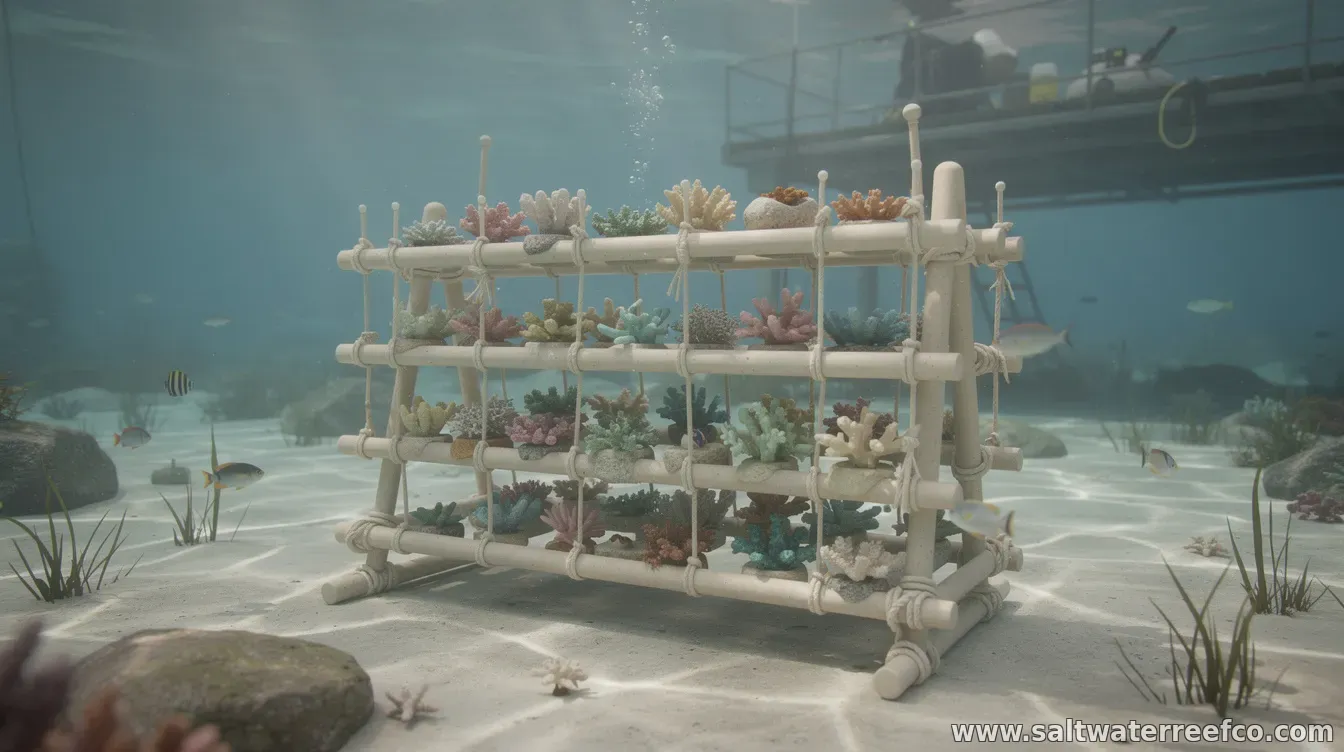
For years, coral reef hobbyists have faced a tradeoff: the desire to keep vibrant reef life at home, versus the environmental cost of extracting wild colonies. Increasingly, that equation is changing as sustainable coral farming expands—and as aquaculture becomes the industry standard for many popular species. Rather than taking corals from reefs, aquaculture nurseries grow corals in controlled systems, then supply fragments to hobbyists and retailers. The approach is gaining momentum because it aligns with both conservation goals and the hobby’s demand for healthier, more consistently available corals. Why coral aquaculture is spreadingCaptive propagation offers practical benefits for both growers and customers. Corals raised under stable lighting, flow, and water parameters tend to establish more reliably after shipping and acclimation. At the same time, structured farming reduces the uncertainty that comes with sourcing from the wild—especially for species that can be difficult to collect sustainably. In the hobby, that reliability matters. Reef tanks often succeed or fail on a coral’s ability to adapt to a new microenvironment. Farmed corals are typically conditioned for aquariums, which can shorten the learning curve for new reef keepers. Common aquaculture methods—and what they mean for hobbyistsMost sustainable coral farming relies on frag-based propagation. Growers take small pieces from healthy parent colonies—using techniques designed to minimize harm—then grow them out until they’re robust enough for sale. Over time, the same parent can generate multiple generations, improving long-term productivity while lowering the need for wild collection. Many nurseries also optimize placement and growth conditions. Coral fragments may be mounted on substrates and moved through phases of shading, flow training, and nutrient management. These practices help reduce stress during the “grow-out” period and can improve survival after hobbyist purchase. In parallel, better tracking and labeling are becoming more common. Hobbyists increasingly want to know what they’re buying—species or genus, growth origin, and farming approach—so aquaculture providers are responding with clearer documentation and more consistent inventory. Environmental impact: less pressure on wild reefsThe central promise of coral aquaculture is conservation. If demand is met through farming, it can reduce extraction pressures that damage reef ecosystems, including impacts from collection-related stress and habitat disruption. While aquaculture isn’t a cure-all for reef decline—global threats like warming and pollution remain—the hobby can play a role by choosing supply chains that don’t intensify local degradation. Conservation-minded hobbyists often emphasize that “sustainable” should be more than a marketing term. Responsible farms aim for ethical sourcing of parent colonies, controlled handling, and transparent processes that demonstrate genuine reductions in wild harvesting. Challenges the market is still working to solveCoral farming at scale brings its own hurdles. Production costs—especially for stable water quality, lighting, and skilled labor—can make farmed corals pricier than uncertified alternatives. Survival rates also vary by species, and some corals remain challenging to propagate or grow quickly. There’s also a knowledge gap. Not every hobbyist knows how to transition a farmed coral into their tank successfully. Even “hardier” captive-grown pieces require attention to placement, water chemistry, and gradual acclimation to light and flow. That’s why many reputable vendors pair sales with husbandry guidance. Another emerging issue is quality consistency. As aquaculture expands, hobbyists and retailers may encounter differences in farming methods, fragment size, and conditioning practices. Over time, the ecosystem may benefit from stronger standards—so that “aquaculture” reliably indicates good welfare and proper grow-out procedures. How hobbyists can participate responsiblySwitching to aquaculture isn’t just about buying; it’s also about supporting the behaviors that make sustainable coral keeping possible. Many reef keepers are beginning to prioritize vendors who provide clear information on propagation, offer appropriate shipping conditions, and discourage questionable sourcing claims. For hobbyists, a practical approach often includes buying appropriately sized fragments, using careful acclimation, and maintaining stable tank parameters that reduce stress on newly introduced corals. Healthy captive systems ultimately create a feedback loop: better care supports stronger survival, and stronger survival sustains demand for responsible aquaculture. As coral farming continues to mature, it may become the default path for reef hobbyists—one that supports both the beauty of reef aquariums and the broader goal of reducing pressure on wild ecosystems. The biggest shift underway is cultural: fewer hobbyists treating coral as a one-time purchase, and more treating it as a living, farmed asset that depends on ethical supply chains and responsible stewardship. |
|
|
Next & Previous posts