7:01 AM Nitrate and Phosphate Control: Practical Methods That Work |
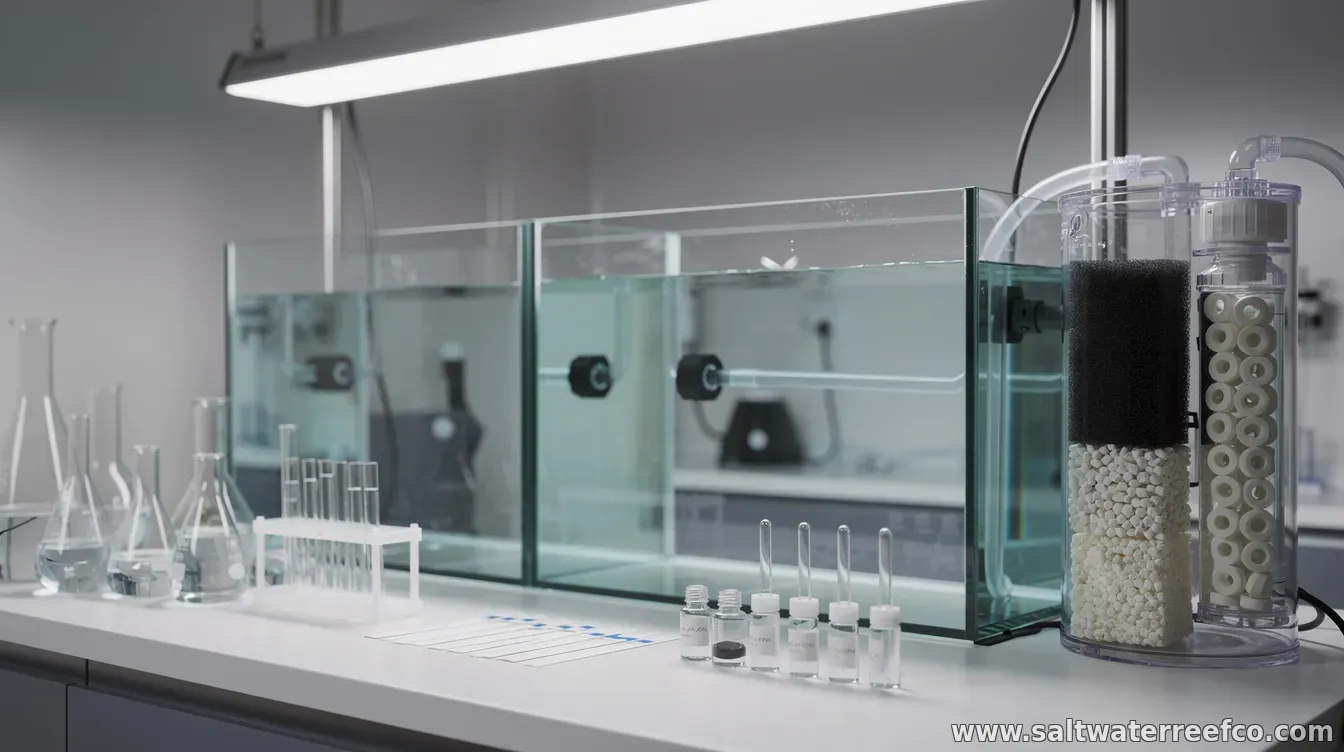
Nitrate and phosphate are essential nutrients in small amounts, but elevated levels commonly cause harmful algal blooms, oxygen depletion, and fish stress. Effective control usually requires combining good measurement with targeted actions that stop nutrients from entering water—or reduce what remains once it’s there. While the best approach depends on the source (fertilizer runoff, wastewater, aquarium overfeeding, stormwater, or industrial discharge), the core strategy is the same: find where nitrogen and phosphorus originate, track their movement, then apply controls that match local conditions and constraints. Start with accurate testing and clear targetsBefore you try to “treat” nutrients, test them consistently using reliable methods (fresh samples, correct reagent timing, and appropriate detection ranges). For decision-making, pair concentration readings with context: water flow rate, temperature, and seasonality. In many settings, trending data over weeks (not single test days) provides the clearest signal of whether your interventions are working. Cut nitrogen at the sourceNitrate typically enters water from fertilizer use, decaying organic matter, manure storage issues, septic leaching, and wastewater discharges. Practical source-control options include optimizing fertilizer timing and rates, improving soil health to reduce runoff and leaching, and preventing spills. Where land borders water, buffer zones (especially vegetated strips) can intercept some nitrate before it reaches streams and lakes. For wastewater and effluent situations, modern treatment upgrades are often decisive. Nitrate removal may involve biological processes such as nitrification followed by denitrification (often controlled by oxygen and carbon availability). If loads are variable, stabilizing influent (equalization) and maintaining treatment conditions can improve performance and reduce nutrient “spikes.” Target phosphorus with chemical and physical controlsPhosphate frequently binds to particles, so reducing sediment and erosion can yield big benefits. Vegetated buffers and improved stormwater management (like retention and filtration) help capture particle-bound phosphorus before it moves downstream. When phosphorus loads are driven by wastewater or industrial streams, chemical precipitation is widely used. Materials such as alum, ferric salts, or lime can bind phosphate so it can be removed via settling or filtration. Selection depends on water chemistry (pH, alkalinity, and existing ions) and the need to manage sludge safely. Use “polishing” steps when nutrient levels remain highEven with strong source control, nutrient concentrations can persist due to legacy sediments or repeated small inputs. Polishing approaches—such as advanced filtration, constructed wetlands, or adsorption media in targeted systems—can reduce residual nitrate or phosphate. In aquaria and small water systems, effective nutrient control often combines correct feeding, regular water changes, surface skimming (to remove detritus), and appropriate biological filtration to prevent ammonia spikes that can later drive nitrate accumulation. For larger natural systems, constructed wetlands can be useful where space allows. They work best when designed for appropriate residence time, hydrology, and vegetation. For phosphate in particular, some wetland configurations and substrates can enhance phosphorus capture, though performance should be verified with post-installation monitoring. Manage runoff and stormwater with practical infrastructureMany nitrate and phosphate problems are “rain-driven,” with nutrients transported during storms. Practical steps include improving drainage design, reducing bare soil exposure, maintaining vegetative cover, and using stormwater controls such as swales, retention ponds, and infiltration features. These measures can reduce both nutrient entry and the sediment that carries phosphorus. To keep interventions effective, treat stormwater systems like infrastructure that needs maintenance: remove accumulated sediment from traps and basins, repair erosion in outlets, and maintain plant health in vegetated controls. Track progress and adjust quicklyControl programs succeed when they’re iterative. Set a monitoring schedule, compare results before and after changes, and document conditions that influence outcomes (seasonal rainfall, plant growth cycles, treatment operating parameters, and maintenance events). If nitrate remains high, focus on the nitrogen pathway—fertilizer practices, wastewater performance, or groundwater contributions. If phosphate remains high, confirm sediment control, chemical treatment effectiveness (if used), and whether stormwater is still carrying phosphorus-bound particles. By combining testing, source reduction, and targeted treatment or “polishing” measures—and then adjusting based on measured results—you can reduce nitrate and phosphate levels in a way that’s both practical and sustainable. |
|
|
Next & Previous posts