0:31 AM Seahorses: realistic care requirements for aquariums |
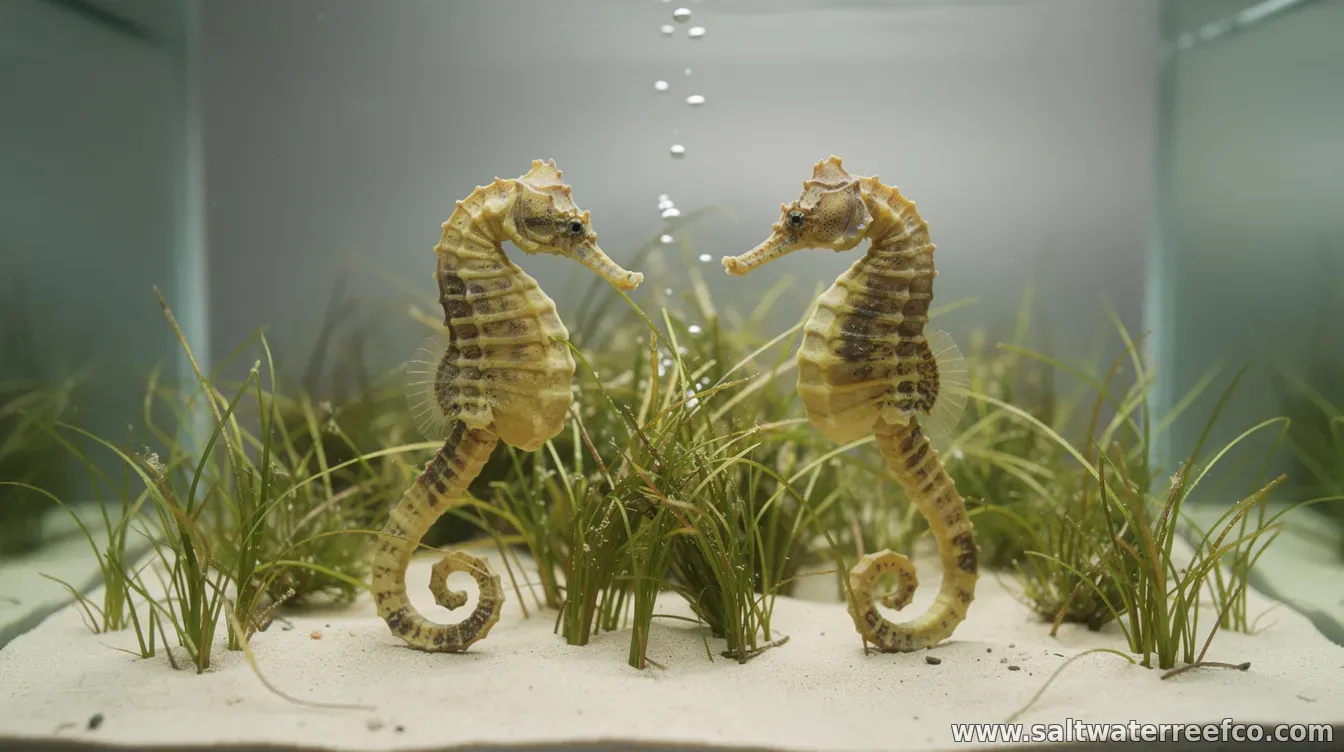
Seahorses may look delicate, but successful keeping is less about “special magic” and more about getting the basics right—then keeping them consistent. Unlike hardier aquarium fish, seahorses are sensitive to fluctuations in water quality, diet changes, and overly strong or poorly targeted water flow. Veteran keepers and marine specialists generally agree on a simple principle: if you can maintain stable conditions and commit to daily feeding, you can reduce most of the risk. If not, the odds of chronic stress, poor appetite, or illness rise quickly. Stable, seahorse-ready water is non-negotiableThe foundation is a fully cycled saltwater tank with reliable filtration and gentle, controlled circulation. Seahorses prefer calm, laminar flow rather than a turbulent blast. Even strong “reef” currents can make it harder for them to feed and rest comfortably. Keepers typically track key parameters consistently—temperature, salinity, pH, and ammonia/nitrite—because swings can stress their immune systems. In practice, that means planning for evaporation top-offs, consistent mixing of saltwater, and routine testing rather than “checking occasionally.” Diet and feeding frequency shape long-term healthMany seahorse problems begin with food. Most species rely on small, frequent meals of appropriate live or freshly prepared prey sized to their feeding habits. A realistic expectation is that you’ll need a reliable source and a feeding schedule that you can maintain even on busy days. Because seahorses are ambush feeders, they also benefit from predictable feeding areas and water movement that brings prey within reach. If food drifts away quickly or tankmates compete aggressively, seahorses may not get enough to sustain healthy weight and activity. Tankmates, size, and stress management matterSeahorses are often too slow to compete. Selecting compatible, non-aggressive tankmates—or choosing a species-only approach—can reduce stress and improve feeding success. In mixed tanks, fast swimmers or nippy eaters can indirectly cause starvation even when food is present. Space is another factor. Seahorses need swimming room for grazing and posture, plus adequate hitching/anchoring points for rest. Inadequate structure can lead to constant repositioning, which can increase stress and reduce how comfortably they settle. Real-world expectations: start prepared, not rushedOne of the most common failures is impatience: adding seahorses to a tank that isn’t fully mature, or assuming “any marine setup” will work. A more realistic approach is to treat seahorse keeping like a commitment to stable maintenance—often involving ongoing observation, careful acclimation, and disciplined feeding. When done well, seahorses can be rewarding and relatively calm additions to a saltwater system. When rushed, the same sensitivity that makes them fascinating can also make problems harder to fix. Before bringing seahorses home, prospective keepers should research the specific species’ adult size, temperature preferences, and typical feeding behavior. Then plan your tank, stocking choices, and food logistics to match those requirements—so your expectations line up with what the animals actually need. |
|
|
Next & Previous posts