11:45 PM Realistic Monthly Cost of Running a Reef Tank |
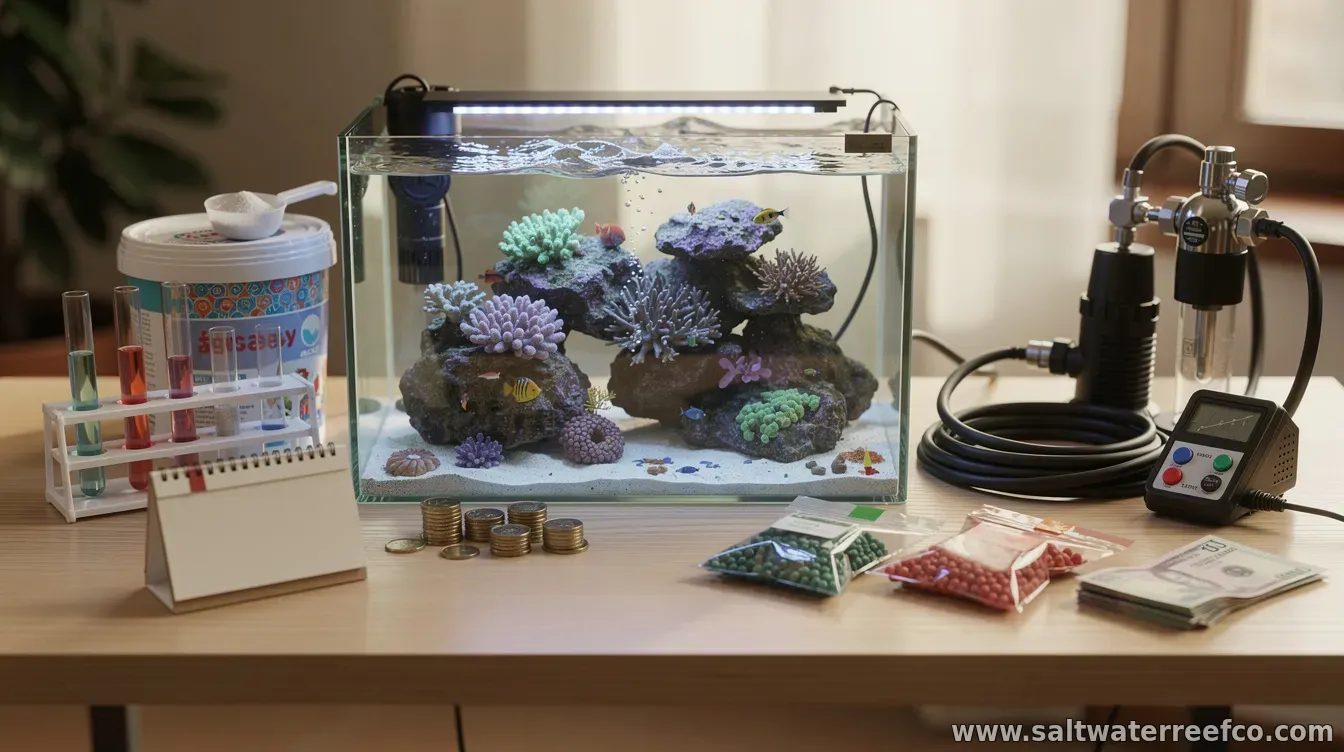
Running a reef tank isn’t just about the initial equipment purchase—it’s the monthly operating cost that determines whether the hobby stays “weekend manageable” or becomes a serious line item. While every system is different, most expenses fall into a few predictable categories: electricity, saltwater and top-off, consumables, livestock maintenance, and equipment upkeep. Below is a practical, realistic budget framework for a typical home reef tank—assuming stable parameters, reasonable livestock choices, and ongoing maintenance rather than emergency repairs. 1) Electricity: the biggest recurring cost after water needsMost monthly power use comes from lighting and filtration/flow equipment. LED reef lights are more efficient than older metal halides, but they still represent a major draw—especially on larger tanks. Return pumps, powerheads, wave makers, heaters (if your home is cool), and any auto-top-off freshwater pumps add up too. Typical monthly range (rough estimate): $20–$120+, depending on tank size, light intensity, and heating needs. 2) Salt mix, RO/DI water, and water changesEven with careful parameter control, water changes remain a common tool for reef health. Your costs here depend on how often you change water, your tank volume, and whether you buy pre-mixed saltwater or make it yourself with RO/DI. If you mix your own: you pay for salt mix and any electricity/water usage for your RO/DI unit. If you buy saltwater, that can raise costs significantly. Typical monthly range (rough estimate): $15–$60 for moderate water-change schedules on small to mid-size systems. 3) Consumables: food, supplements, test kits, and maintenance suppliesLivestock drives this category. Fish and invertebrates need consistent feeding, and many reef keepers use supplements and dosing systems to maintain trace elements and buffers. Testing is also ongoing—especially for a new tank—until stability reduces how often you test. Consumables commonly include:
Typical monthly range (rough estimate): $25–$100+, especially if you keep higher bioloads or rely on frequent testing and filtration media changes. 4) Equipment wear and replacementReef keeping is also “parts economics.” Even with good maintenance, pumps, heaters, powerheads, skimmers, and dosing lines have finite lifespans. Many hobbyists don’t budget for failures until they happen, but planning a small monthly reserve reduces surprises. Typical monthly reserve (rough estimate): $5–$25 for routine wear and planned replacements. This can be higher with premium gear, older hardware, or frequent clogging/maintenance cycles. 5) Livestock costs: purchases vs. recurring lossesLivestock spending is often the biggest variable month-to-month. Some months you only maintain existing stock; other months you replace a coral frag, add a fish, or replace livestock after a parameter swing. While you can’t predict every loss, a healthy tank with a light-to-moderate bioload tends to reduce “replacement month” frequency. Typical approach for budgeting: Set a monthly allocation (even small) for new additions or replacements—then spend it only when needed. Typical monthly allocation (rough estimate): $0–$50+ depending on whether you’re actively adding livestock or keeping a stable inventory. Putting it together: realistic monthly budget examplesExample A: Smaller, low-to-moderate bioload reef (around 30–60 gallons) Electricity: $20–$60 • Salt/RO/DI & water changes: $15–$40 • Consumables: $25–$70 • Equipment reserve: $5–$15 • Livestock allocation: $0–$25 Estimated monthly total: $65–$210 Example B: Larger reef (60–120+ gallons) with heavier lighting and bioload Electricity: $60–$120+ • Salt/RO/DI & water changes: $30–$80 • Consumables: $60–$140 • Equipment reserve: $10–$25 • Livestock allocation: $0–$100+ Estimated monthly total: $160–$465+ These are realistic ranges, not exact numbers. The biggest swings usually come from electricity (heating and lighting), your water-change schedule, and how heavily stocked the tank is. Tips to control costs without sacrificing reef stabilityIf you want to keep your monthly spend predictable, focus on the levers most directly tied to recurring costs:
In practice, a reef tank becomes “monthly predictable” once you find a stable maintenance rhythm and match your livestock intensity to your willingness to spend. Start with the ranges above, track your first 60–90 days, and adjust your budget to your tank’s real consumption rather than guesses. |
|
|
Next & Previous posts