1:12 AM Mantis Shrimp: Reef Risk Explained and What to Do |
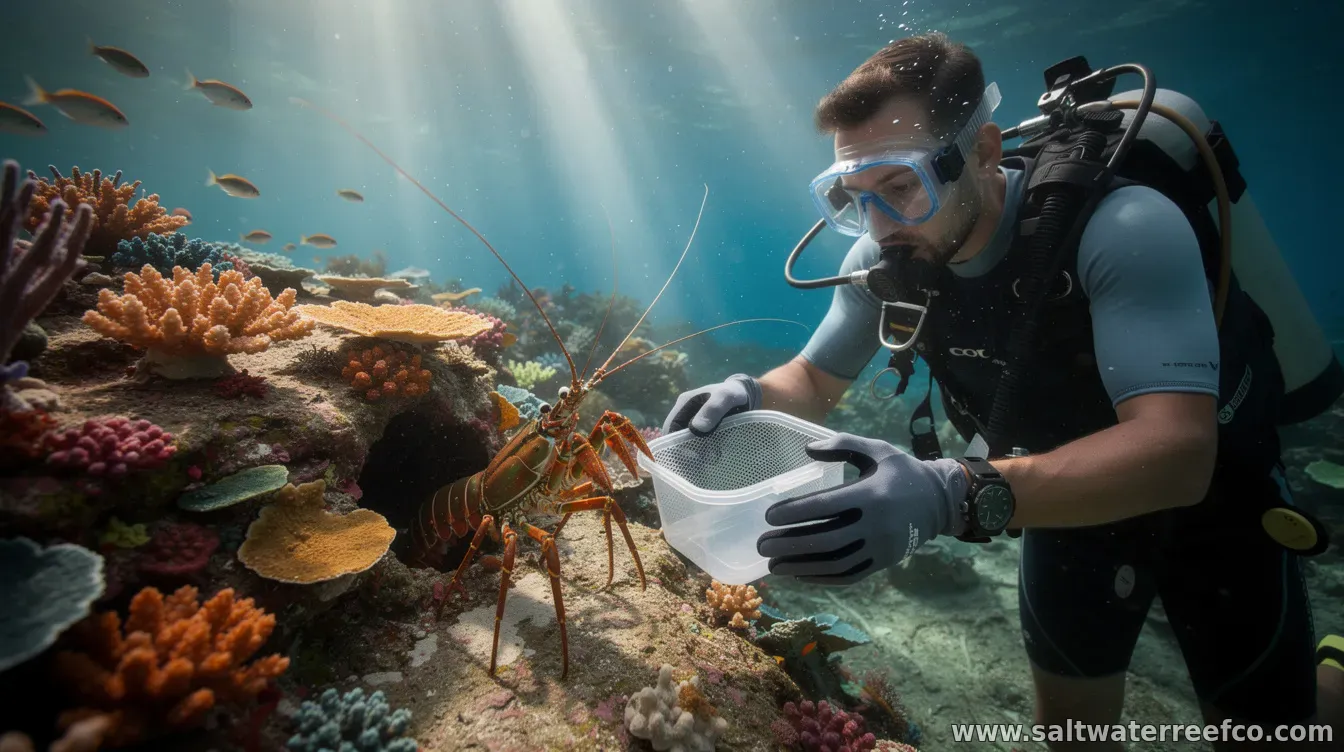
Mantis shrimp aren’t the kind of reef “hitchhiker” most aquarists want. Their stealthy hunting behavior, powerful forelimbs, and habit of hiding in rockwork can turn a thriving display into a problem reef within days—often before anyone realizes the culprit is inside. While not all mantis shrimp species behave the same way, many share the same core traits: they’re opportunistic predators, they need cover, and they can inflict damage that’s out of proportion to their size. That combination is why they’re widely considered a reef risk, particularly in small or tightly aquascaped tanks. Why mantis shrimp are a reef riskFirst, mantis shrimp can be aggressive toward reef-associated animals. Many will hunt or harass small invertebrates and fish, especially slow-moving or nocturnal species. Even when corals aren’t a direct target, the stress and tank dynamics they cause can worsen coral health. Second, their feeding and digging behavior can damage the reef environment. A mantis shrimp’s burrowing and claw strikes can knock over rock, dislodge frags, and create sand/sediment disturbance—conditions that can lead to irritated coral tissue and trapped detritus. Third, they can be a physical hazard to the aquarium itself. Certain species deliver powerful blows that may crack shells, stress or kill snails and crabs, and occasionally cause issues around pumps, heaters, or feeding devices if they select a protected spot near equipment. What to do if you find oneIf you suspect a mantis shrimp in your tank, act quickly but methodically. The goal is to confirm the presence of the animal and remove it with the least disruption possible to your corals and beneficial organisms. 1) Look for the signs of a mantis shrimp. Common indicators include sudden disappearance of snails/creeping invertebrates, unexplained nipping, recurring “thwack” sounds, burrow-like holes in live rock, or claw marks on shells. Many mantis shrimp are nocturnal, so you may only see them briefly when lights are off. 2) Use safe observation before you start moving rock. Avoid large-scale rescapes immediately, since the animal may be deep in a burrow. Consider dim-light checks or targeted observation near suspected hiding spots. If you’re comfortable with it, capture or video evidence can help you choose the right removal approach. 3) Remove the rock carefully if identification is confirmed. In most reef tanks, the cleanest solution is controlled rock removal to access the burrow—done slowly to reduce sediment release. Move the affected rock to a container of tank water so you don’t expose livestock to dry air or drastic temperature swings. 4) Consider professional or experienced assistance. If the mantis shrimp is wedged in a hard-to-reach cavity, removal may require specialized tools or tank downtime. Local reef clubs, experienced hobbyists, or specialty stores sometimes offer guidance (or can help coordinate a safe removal). 5) Re-stabilize the tank after removal. After the mantis shrimp is out, monitor for coral stress, watch for lingering damage, and keep an eye on water quality. Disturbed sand and rockwork can spike particulates; run appropriate filtration and allow the system to settle before making additional changes. Because mantis shrimp can be introduced on live rock or hitchhike through frag swaps, prevention matters too. When possible, quarantine new rock and observe it for signs of burrowing predators before adding it to a display. That extra step can save months of troubleshooting later. If you’d like, tell me your tank size, whether the mantis shrimp is visible, and what species (if known). I can suggest the least disruptive removal strategy for your setup and livestock. |
|
|
Next & Previous posts