1:50 AM Me & Velvet Sickness on the Reef: Safe Treatments |
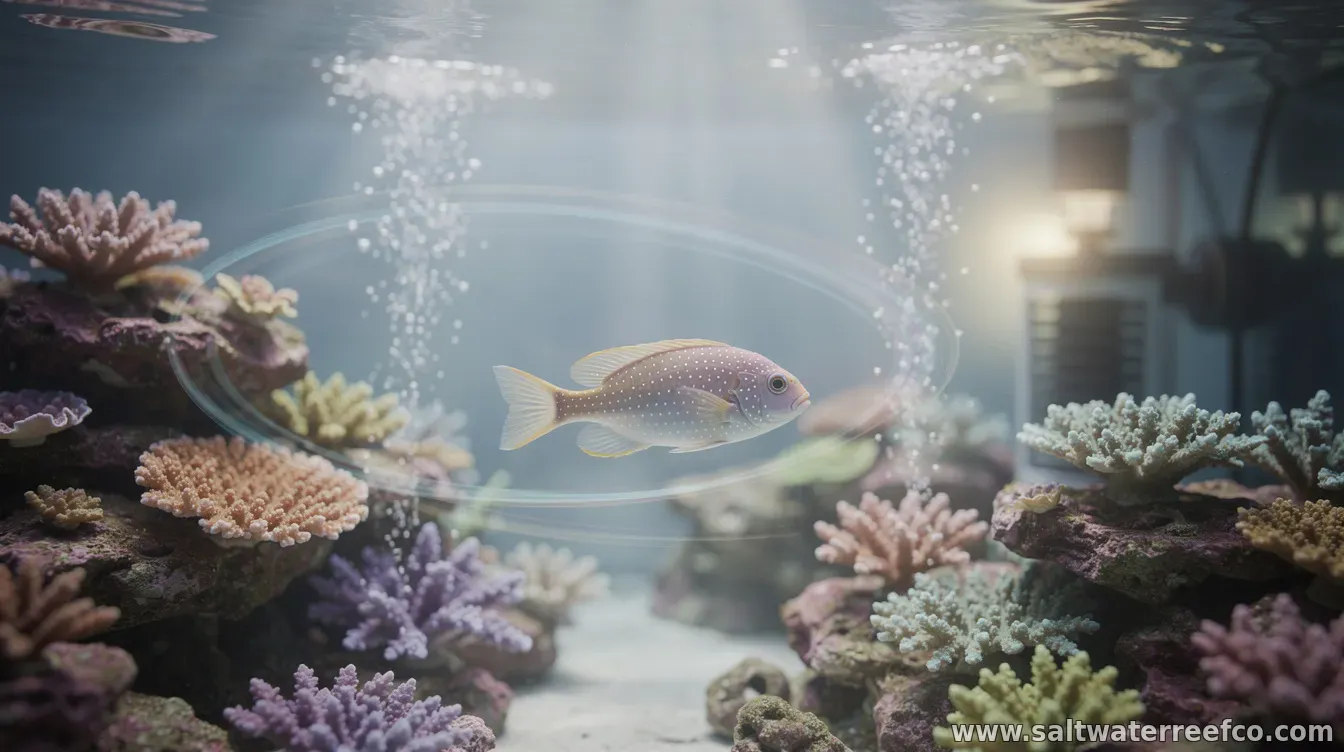
White spots, mucus coating, rapid weight loss: When Ich or Velvet disease (velvet disease) appear in a reef aquarium, every hour counts. Both diseases are caused by parasites that infest fish – while corals and invertebrates can be affected to varying degrees depending on the treatment. Therefore, it's crucial not only to know "what helps," but also "what is demonstrably safest for the reef." The following overview categorizes the typical symptoms, explains the most important factors (life cycle, stress management, quarantine), and outlines treatment pathways that are considered relatively safe in many reef setups. Since products vary considerably depending on the active ingredient and dosage, precise manufacturer instructions and testing in a small "test tank" are always advisable. Ich vs. Velvet: Quick Differentiation Why "reef-safe" is difficult As a general rule: The more complex the main tank (diverse coral species, sensitive shrimp, numerous filter media), the more important it is to move more intensive treatment to a separate quarantine or treatment tank. There, more precise dosing is possible, and risks are minimized.
If the system allows, the safest strategy for corals and invertebrates is often to move fish to a separate, bare-bottom tank (quarantine/treatment tank) and run the main aquarium without hosts during this time. This interrupts the parasites' life cycle, and the sensitive inhabitants don't need to be treated along with the fish. In practice, this means: a clean setup, stable water parameters, good oxygenation (e.g., airflow), regular monitoring, and a plan for how long the treatment/monitoring phase will last. The exact duration depends on the pathogen and the chosen medication – but essentially, it prevents the parasites from "returning" through newly infected stages. Treatment Pathway 2: Choosing a medication that is typically better suited to the reef Copper-based preparations are considered effective against many velvet worm/parasite forms, but are often problematic in many reef environments and with invertebrates. If copper is involved, quarantine is usually the better option. Compliant antiparasitic medications with clear information on coral/invertebrate compatibility are an option, but only if the manufacturer and user reports actually confirm "reef-safe" for your system. Hygienic and supportive measures (e.g., maintaining stable water quality, reducing stress, adjusting feeding) improve the chances of survival, but rarely replace parasite therapy on their own—especially with velvet worms. Water treatment with activated carbon/removal can help bind residual substances after treatment, but it's not a guarantee: the timing and dosage must be appropriate for the active ingredient. Important: Even "reef-safe" treatments can react differently depending on the dosage, temperature, oxygen levels, and existing biological processes. Therefore, testing and a slow, controlled approach (including observation after the initial phase) are often crucial. Protecting Corals and Invertebrates: Specific Adjustments Maximize aeration: Many parasite treatments and the accompanying stress phase increase oxygen demand. Keep parameters stable: Significant fluctuations in temperature, salinity, or pH increase the risk of subsequent problems. Strictly follow product instructions: Dosage regimen, interval, duration, and "before/after" instructions (e.g., activated carbon yes/no) are not optional. Filter out sensitive animals: If possible, remove shrimp and sensitive animals. Keep fish without microbes separate or use quarantine. When treating reefs, the question of "filter biology" is also relevant: Some medications can affect bacterial populations or the effectiveness of the filter. Therefore, if in doubt, the treatment should be designed so that the main filter is not unnecessarily burdened (typically: quarantine instead of treating the entire main tank). Observation: When to change plans immediately? If no improvement is noticeable after an initial treatment phase, this could be due to an incorrect pathogen diagnosis (Ich vs. Velvet), insufficient dosage, or premature termination. A quick and consistent approach is crucial, especially with Velvet, because the progression can often be rapid. Warning signs that require immediate intervention include: increasing respiratory distress, visible increase in mucus/coating, lethargy, loss of appetite, and significant deterioration over 24–48 hours. In such cases, it is worthwhile to verify the diagnosis and reconsider the plan (e.g., switching to quarantine, adjusting the medication, or more intensive water/stress management).
For me and Velvet in the reef, the safest combination is usually: acting quickly, maintaining low-stress water stability, and, if possible, treating the fish in a quarantine or treatment tank rather than in the main tank. This significantly reduces the risk to corals and invertebrates and allows for more targeted, effective therapy. By carefully selecting medications "according to the manufacturer's instructions" and consistently monitoring the situation, outbreak dynamics can often be effectively controlled. If you'd like, tell me your tank size, stock (corals/invertebrates), temperature, and which medications/products you're already using. Then I can outline a more specific, low-risk treatment plan (including the sequence and observation points) for your setup. |
|
|
Next & Previous posts