0:58 AM Emergency Tips for Aquarium Filtration Failure |
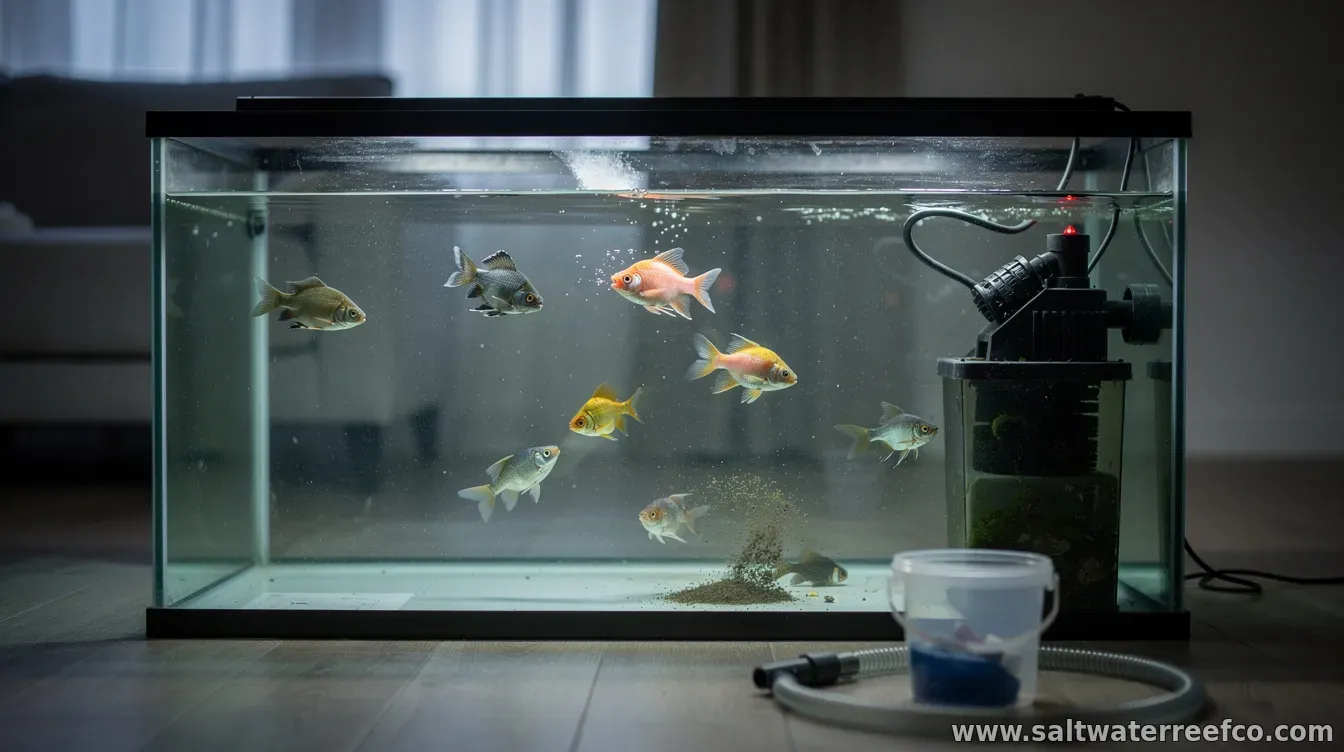
When your aquarium filtration fails, the biggest risk is a rapid rise in ammonia and nitrite—both can build up quickly and harm fish. The goal in the first minutes and hours is to keep oxygen levels stable and reduce harmful waste while you get the filter back online. Start with safety checks. If the filter is off, unplugging and inspecting it is fine, but avoid repeatedly flipping the power back and forth if you suspect a short. If the cause is unclear (power outage, clogged intake, broken impeller, or a tripped breaker), move to emergency steps immediately so your livestock has time. 1) Create emergency circulation and oxygenA filter provides both filtration and water movement. Even if you can’t restore filtration right away, keep the tank well-aerated. Aim for strong surface agitation: increase flow from an air pump (if you have one), add an airstone, or use a temporary powerhead/backup pump if available. Better oxygenation buys time until ammonia levels can be brought under control. 2) Remove waste with partial water changesWhile emergency aeration helps fish breathe, water changes help manage toxins. Perform an immediate partial water change (commonly 20–50% depending on tank size and how long the filter has been down). If the tank is heavily stocked or the filter has been off for longer than expected, additional changes over the next several hours may be necessary. If you’re treating tap water, use a dechlorinator/stress coat designed for aquariums; never add untreated water that contains chlorine or chloramine. 3) Test water parameters as soon as possibleUse aquarium test kits (ammonia, nitrite, and ideally nitrates) to gauge how quickly conditions are deteriorating. If ammonia or nitrite begins to rise, you’ll need to increase water-change frequency and keep strong aeration until filtration is restored and water chemistry stabilizes. Tip: Many “mystery fish deaths” during filter failure trace back to delayed recognition of ammonia/nitrite spikes—testing helps you respond with the right intensity. 4) Restart filtration the right wayOnce you’ve identified the issue, restart filtration carefully—especially if the biological media may have been exposed to low-oxygen conditions. If your filter stopped due to a simple clog, clearing the intake and ensuring the impeller spins freely is often enough. If media is underfilled with water or you replaced too much media at once, the beneficial bacteria responsible for converting toxins can crash. Whenever possible, keep filter media wet and oxygenated. If you must temporarily move it, store it in tank water (never tap water) and limit time out of the tank. 5) Adjust feeding and watch fish behaviorFeed less—or pause feeding entirely—for the duration of the emergency and until water parameters stabilize. Uneaten food and extra waste will accelerate toxin buildup. Observe fish frequently: rapid breathing at the surface, clamped fins, lethargy, and loss of appetite can be early warning signs.
Common causes to troubleshoot quickly include a power issue (outlet/breaker), a blocked intake, an air leak, a failed impeller, or mechanical wear in older filters. If the problem is electrical and you have an alternative power source or backup air pump, use it immediately. Finally, once the system is stable, review your setup to prevent recurrence: keep a backup filter or small emergency pump/airstone, avoid overfeeding, and maintain filtration media on a schedule that preserves beneficial bacteria. A short preparedness plan can turn a crisis into a manageable interruption. If you tell me your tank size, whether you have an air pump, how long the filter has been off, and your fish/plants (and whether you can test ammonia/nitrite), I can suggest a more precise emergency timeline. |
|
|
Next & Previous posts