2:05 AM How Often Should You Really Clean Your Aquarium? |
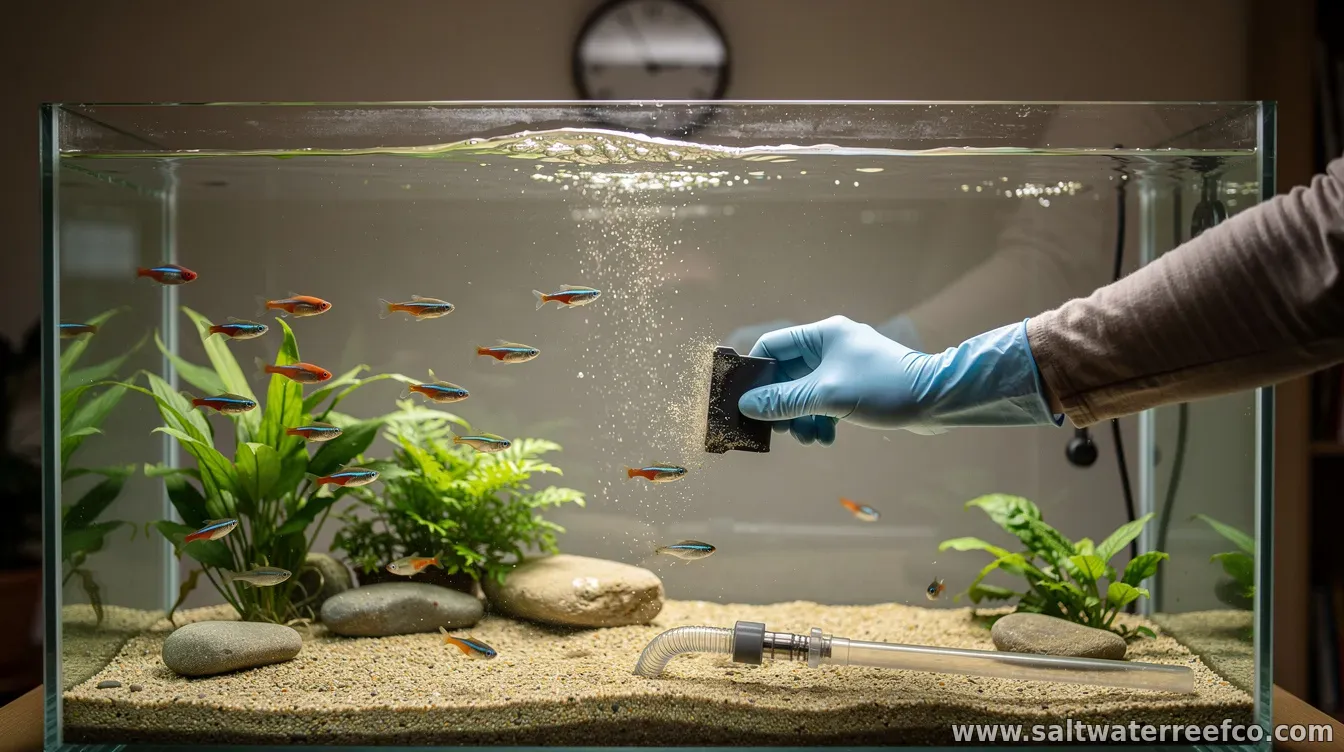
Cleaning an aquarium sounds straightforward, but the frequency that’s “right” depends on one crucial factor: your tank’s biological balance. Healthy aquariums rely on beneficial bacteria that convert harmful waste into less toxic forms. Clean too aggressively and you can undo that cycle; clean too rarely and waste can build up. For most home aquariums, the best approach is consistent, moderate maintenance—especially regular water changes and targeted cleaning. Instead of scrubbing everything on a fixed date, aim for a schedule based on tank conditions. Weekly basics: small, routine tasksAs a baseline, plan on doing light checks every week. Test water parameters if you can (especially for new tanks or if fish are sensitive), observe fish behavior, and inspect equipment like filters and heaters. You’ll typically only need to remove visible debris—such as uneaten food—rather than deep-cleaning the entire tank. Many owners also do a quick glass cleanup during weekly maintenance to control algae buildup. The goal is visual clarity and minimal disturbance, not a “reset.” Water changes: usually every 1–2 weeksFor most community freshwater tanks, a common routine is a partial water change about once every 1–2 weeks. This helps reduce dissolved waste and replenishes minerals without wiping out the beneficial microbial layer on surfaces. If your tank is heavily stocked or feeding heavily, you may need the shorter end of the range. If the tank is lightly stocked and stable, you might stretch toward the longer interval. Saltwater systems often follow similar principles but can be managed on different cadences depending on the setup and husbandry. How often to clean the substrate and decorSubstrate cleaning is where overdoing it is most common. In established tanks, you usually don’t need to “sterilize” the substrate. Instead, do targeted vacuuming during water changes—focus on obvious waste spots while leaving most of the beneficial bacteria undisturbed. For heavily mulm-accumulated areas or tanks with poor flow, consider more frequent light spot-cleaning rather than a full substrate overhaul. Deep cleaning everything at once can cause ammonia and nitrite spikes as the biological filtration struggles to recover. Filter maintenance: less often than many people thinkFilters should be kept running continuously, not taken apart frequently. In general, routine filter cleaning is about maintaining flow, not “washing away” the filter media every time you tidy the tank. When to service a filter depends on the type of filtration and how quickly it clogs. Many aquarists only rinse sponge or media in old tank water when flow drops noticeably. Replace or deep-clean media according to the manufacturer’s guidance and the needs of the specific system—especially for media types that house beneficial bacteria. Deep cleaning: only when necessaryA full “deep clean”—scrubbing rockwork, washing all decor, or thoroughly cleaning every surface—should be rare in a stable aquarium. It’s often reserved for specific situations, such as removing persistent pests or addressing a major malfunction, rather than as a routine habit. During deep cleaning, the biggest risk is breaking the tank’s cycle. If a deep clean is unavoidable, proceed in a way that preserves as much beneficial bacteria as possible and keep fish protected and stress-free. Use tank health to set your scheduleThe most reliable way to choose frequency isn’t a calendar—it’s consistent monitoring. If water tests show instability, algae is surging unexpectedly, or fish are showing stress, adjust maintenance habits. Common warning signs include prolonged cloudy water, rising ammonia or nitrite (especially in new tanks), and persistent odors. When something feels “off,” fix the root cause first—feeding amount, stocking level, filtration performance, and water change consistency—rather than repeatedly cleaning the tank as a catch-all solution. In short, most aquariums benefit from frequent small maintenance (weekly checks and targeted tasks) paired with partial water changes every 1–2 weeks for many setups, while avoiding unnecessary deep cleaning. If your tank is new or you’ve changed equipment, it’s normal to maintain a tighter routine until conditions stabilize. |
|
|
Next & Previous posts
Related materials:
| Total comments: 0 | |