0:19 AM How to Protect Your Aquarium During Chicago Extremes |
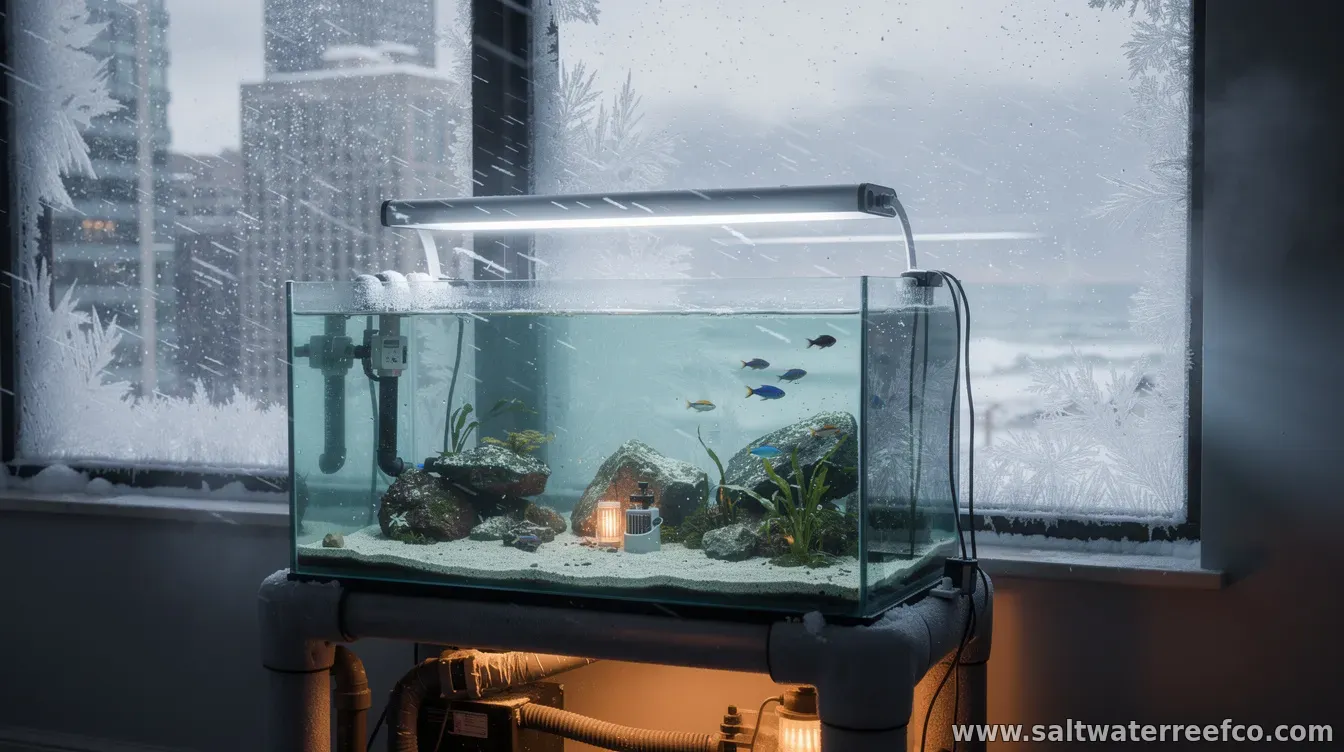
Chicago’s weather can change abruptly, and those swings can be hard on home aquariums. When air temperatures drop or soar—or when wind-driven outages hit—aquarium heaters, filters, and oxygen levels can be affected quickly. Preparing now helps prevent shock, illness, and losses. Start with stability: know the biggest risk—temperature swings. Fish are more vulnerable to rapid changes than to a moderate, steady temperature. During extreme weather, monitor your water temperature closely and aim for gradual adjustments if anything shifts. Before the storm or heat wave: set up for resilienceTake a few proactive steps before conditions turn:
If power is likely to be an issue, consider additional backup measures such as a battery air pump for aeration and a backup power option (even short-term) to keep oxygen and circulation available. Cold snaps: prevent chilling without overheatingDuring sharp cold spells, your aquarium can lose heat faster than your heater can compensate—especially if the tank sits near windows or exterior walls. Keep the tank away from direct drafts and minimize opening doors/windows near the stand. If temperatures fall significantly, avoid sudden changes: raise temperature gradually and verify the heater is functioning properly before making multiple adjustments. When the room is extremely cold, your heater may run continuously. That’s why insulation matters and why you should watch for overheating risk if you later reheat the room rapidly. Using a reliable thermometer or controller helps you maintain a safe, consistent range for your specific fish and plant needs. Heat waves: protect oxygen and stop runaway warmingOn very hot days, sunlight and trapped heat can push tank temperatures upward quickly. Close blinds or curtains to limit direct sun, and ensure there’s consistent airflow around the aquarium setup. If the tank temperature rises, respond gradually—small, controlled cooling steps are safer than large swings. Oxygen levels often drop as water warms, which can stress fish even if temperature isn’t dramatically outside the target range. Increase aeration and surface agitation when temperatures climb, and reduce feeding slightly until conditions stabilize. Power interruptions: prioritize oxygen firstIn the event of an outage, the most urgent need is oxygen. Fish and beneficial bacteria depend on gas exchange and circulation. If power goes out, use an emergency aeration method such as a battery air pump to keep water oxygenated. Keep filters running only if power returns quickly—otherwise, focus on maintaining oxygen and avoid unnecessary disturbance of the tank. After power is restored, recheck temperature before making major adjustments. If the water cooled or warmed during the outage, return toward the normal range slowly. Sudden reheating or cooling can compound stress that already started during the blackout. Quick monitoring checklist during extremesWhile weather is at its worst, frequent checks matter:
Extreme weather is stressful, but with insulation, monitoring, and a clear response plan for cold, heat, and power interruptions, you can dramatically reduce risk. If you’re unsure about the safe temperature range for your species, consult your tank’s care guidelines and err on the side of gradual adjustments. |
|
|
Next & Previous posts