4:03 AM How to Protect Your Aquarium During a Power Outage |
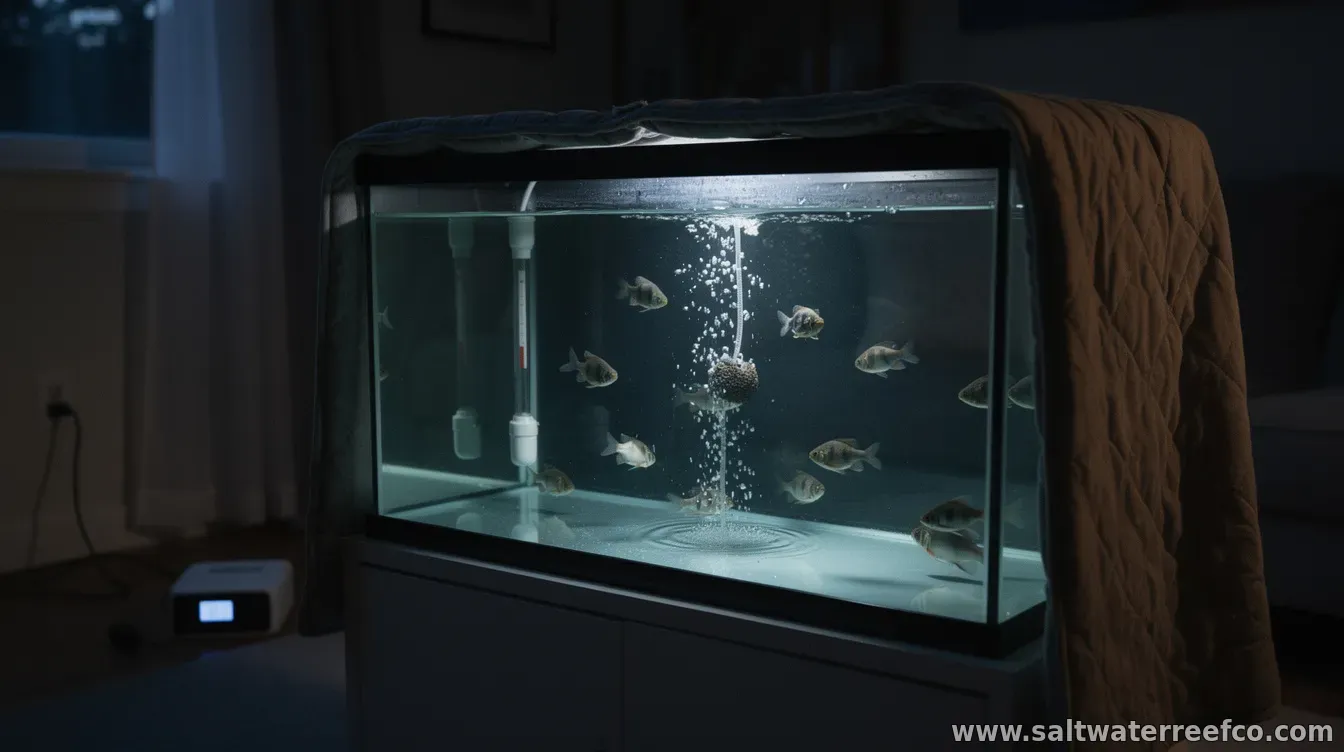
When the electricity goes out, your aquarium’s biggest risks are oxygen depletion, temperature swings, and loss of water movement and filtration. The good news: with a few prepared tools and quick actions, you can significantly extend how long your tank can run safely. Start with the first 5–15 minutes. Don’t wait to see what happens. If you have air stones and an emergency power source, begin aeration immediately to keep oxygen levels stable. Even in a short outage, stagnant water can become unsafe faster than most people expect. Keep the water oxygenated. Use an air pump with battery backup or a portable aerator, and consider adding an air stone to increase surface agitation. If you have no backup gear, you can create movement by gently stirring the water (carefully, without splashing) or using a siphon bucket to raise water slightly—aiming for more surface contact with air. Protect temperature stability. Avoid opening doors and windows, and stop unnecessary lighting and feeding. Fish expend less energy when stressed conditions are minimized. Insulate the tank using towels/blankets around the sides (not tightly wrapped over the filter intakes), and keep the room steady. In cold climates, focusing on keeping heat in often matters more; in warmer areas, preventing overheating is critical. Filtration: what to do when pumps stopFiltration doesn’t need to be perfect during a short outage, but the longer the pumps remain off, the more oxygen declines—especially in heavily stocked tanks. If possible, preserve the filter’s biological function by avoiding disturbance. For some setups, running an air stone alone can help maintain oxygenation even without full mechanical filtration. Feeding: pause to reduce waste and oxygen demand. During an outage, it’s safer to stop feeding. Less food means less waste and lower oxygen demand while bacteria and oxygen levels are under strain. Resume feeding only after power returns and the tank stabilizes. Act based on outage lengthIf power is down briefly, aeration and temperature management may be enough. For longer outages, plan for additional backup aeration and consider partial water changes only if you can do so safely and without further stressing the tank. Always match the water temperature as closely as possible to the tank to avoid shock.
Be ready before the next outage. The best protection is preparation: keep a spare air pump or battery backup, stock fresh batteries, and have a clear plan for how you’ll insulate and aerate. If your aquarium is large, consider a small emergency generator designed for low-draw loads, or at least an emergency aeration kit that can run independently of the main system. After power returns, re-stabilize. Restart equipment gradually if recommended for your system, and confirm oxygenation is adequate. Check temperature, watch fish closely for several hours, and consider testing water parameters if the outage lasted long enough to cause stress (especially ammonia and nitrite). Quick, calm monitoring helps prevent a minor event from becoming a larger problem. |
|
|
Next & Previous posts