1:16 AM Backup Power and Emergency Prep for Aquarium Owners |
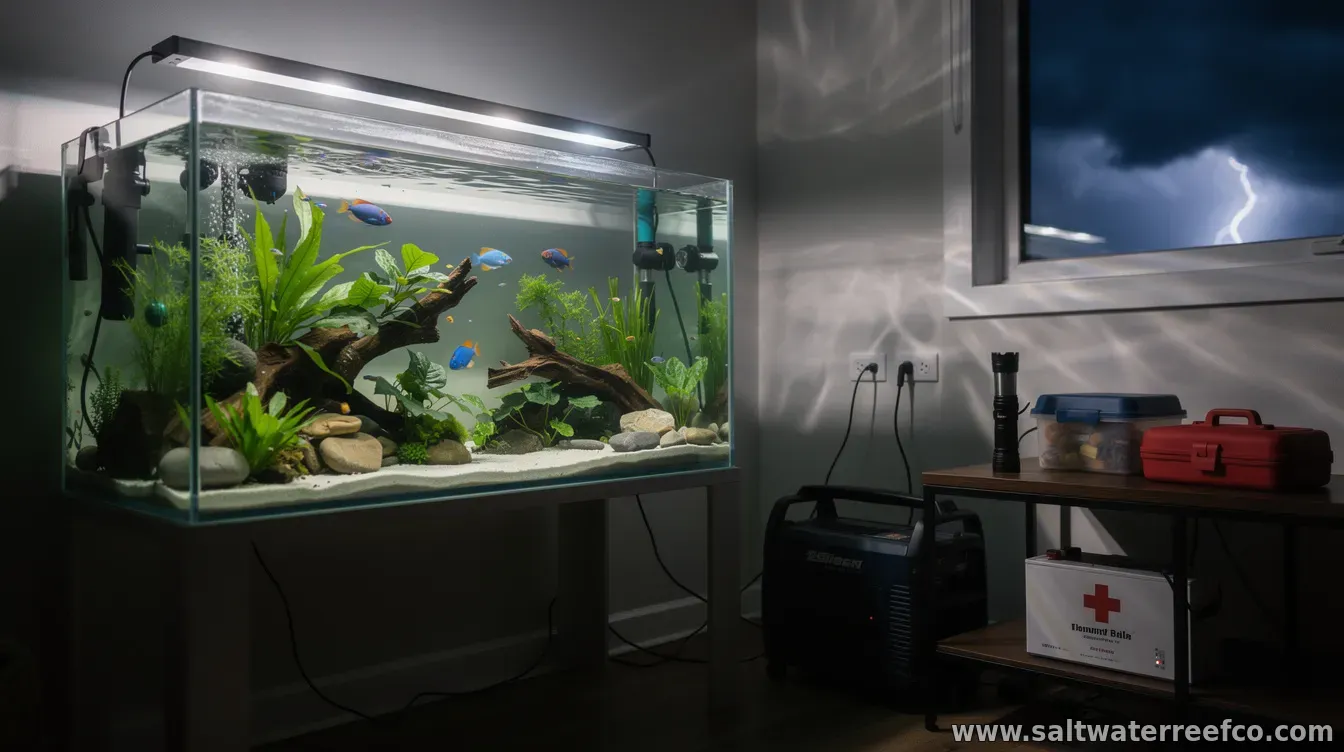
A sudden power outage is one of the fastest ways to put an aquarium at risk. When filtration and aeration stop, oxygen levels can drop, temperature can swing quickly, and waste can build up—often before most owners realize how serious the situation is. For aquarium keepers, the best defense is preparation: a simple backup-power setup, a clear response checklist, and monitoring tools that help you act quickly and consistently. Start with the “minutes matter” checklistIn the early stage of an outage, your goal is to keep water oxygenated and temperatures stable. Many owners can buy time by prioritizing aeration and circulation first, then addressing heating/cooling depending on conditions. Consider preparing a one-page plan that lists what to do immediately, who to call for help (if needed), and where supplies are stored. Keep it near the tank and include key details like tank volume, equipment model numbers, and where replacement air lines or batteries are located. Backup power options: choose what fits your setupNot all aquariums need the same solution, but every system benefits from a reliability-focused approach. Common strategies include battery air pumps, battery-backed power supplies (UPS), and portable generators for larger systems. Battery air pumps are often the most cost-effective way to preserve oxygenation. They can keep airstones running through the outage, which is critical for fish health and for minimizing stress while you troubleshoot. UPS units can provide short-term power to key devices like filters or heaters—depending on the UPS size and your equipment draw. They’re particularly useful for bridging the gap until your household power returns. Generators can support longer outages for larger tanks, but they require planning: proper ventilation, safe fuel storage, and the ability to handle power loads without overloading circuits. Match backup to your temperature riskTemperature stability often determines how severe an emergency becomes, especially in homes without consistent climate control. Plan for the season: in winter, heating loss can cool the tank; in summer, a stalled chiller or evaporative cooling can lead to overheating. Depending on your climate and tank size, you may want insulated covers, emergency thermal blankets, and pre-tested methods for maintaining temperature (for example, how you’ll use battery or backup heating where appropriate). Always aim to prevent rapid swings rather than chasing a perfect reading during the first hours. Keep filtration running—or compensate if you can’tMechanical filtration and beneficial bacteria are central to water quality. If your power is out long enough to stop filtration, you can often reduce impact by limiting disturbance and preserving oxygenation. In many cases, an aeration-only approach during the outage can help protect livestock until power returns. When power is restored, restart pumps and filtration carefully and monitor water parameters rather than assuming everything is immediately stable. For owners with canister filters, sumps, or complex plumbing, test your “restart routine” when things are calm. Practice moving hose connections, re-priming systems, and verifying flow direction so you’re not improvising during an emergency. Monitor continuously with simple toolsDuring an outage, guesswork is risky. Low-cost monitoring tools—like battery-powered thermometers, and optionally backup-capable water quality monitors—can help you see whether temperature is drifting or oxygenation is insufficient. If you use smart plugs or alerts, also plan for scenarios where Wi-Fi or the home router is unavailable. A fully battery-powered “minimum viable monitoring” setup can provide reassurance when your usual systems are offline. Rehearse the plan and maintain the gearPreparedness isn’t a one-time purchase. Test battery air pumps on a schedule, check UPS charge levels, and confirm that backup cables and air lines are intact. Replace batteries before they fail under stress, and keep spare parts where you can grab them quickly. Finally, consider running short, controlled drills—simulate an outage for a brief period (with a watchful eye) so you can confirm your response steps, verify oxygen flow, and understand what changes you’ll need to make in the first hour. With a backup power plan tailored to your tank’s needs, you can turn an outage from a catastrophe into a manageable interruption—giving your aquarium the oxygen and stability it requires until normal power returns. |
|
|
Next & Previous posts