2:48 AM From Concept to Centerpiece: What Custom Aquarium Design Involves |
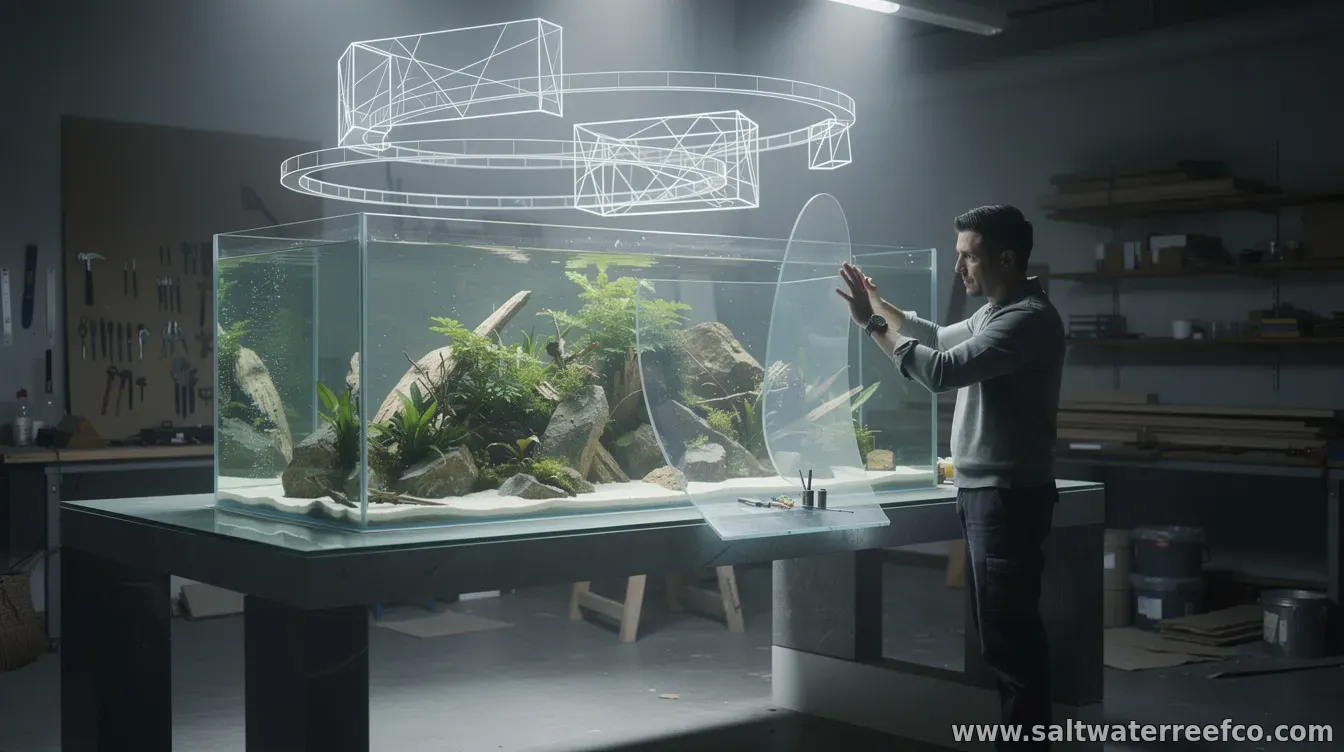
Custom aquarium design turns a standard tank into a tailored centerpiece—one that fits a specific room, supports particular species, and meets practical engineering needs. While the final look may seem like the main story, the heavy lifting happens during planning and design decisions that affect water quality, safety, and long-term maintenance. Most custom projects begin with a clear set of goals. Designers and clients typically discuss the tank’s purpose (community display, reef, or species-specific), the intended fish or invertebrates, preferred aesthetics (minimalist, natural aquascape, or dramatic open-water viewing), and constraints such as available wall space, floor loading, and access to equipment. Requirements first: livestock, water chemistry, and filtrationThe next phase translates creative intent into biological requirements. Each tank concept implies different temperature ranges, lighting needs, filtration approaches, and water-flow patterns. For marine or reef setups, for example, designers often account for saltwater stability, protein skimming or equivalent nutrient control, and careful circulation planning to avoid dead spots and uneven conditions. In freshwater projects, the focus may shift toward stable water parameters for the intended species and compatibility considerations across the tank’s ecosystem. In both cases, custom designs tend to prioritize a filtration system that matches the aquarium’s volume and feeding schedule rather than relying on generic “one size fits all” equipment sizing. Engineering the build: structure, placement, and accessCustom aquariums must be built to perform safely and reliably. That includes selecting materials and construction methods suited to the tank’s size and shape, reinforcing where needed, and designing stands or enclosures that handle weight and moisture exposure. Placement also matters: the viewing angle, doorways, electrical access, and service clearance for maintenance are typically planned early to prevent costly retrofits. Designers often create a practical layout for all components—filtration, heaters, plumbing runs, lighting, controllers, and water-management devices—so they integrate neatly into the final presentation. The most successful centerpiece designs hide complexity without making it hard to service, balancing aesthetics with real-world usability. From sketches to specs: the design and approval stageOnce requirements and engineering constraints are understood, the concept usually progresses through visual planning (dimensions, silhouette, hardscape layout, and lighting style) and technical specification (equipment model selection, flow calculations, and plumbing schematics). Clients may review mockups or drawings to confirm sightlines, proportions, and where key elements will sit—such as built-in filtration chambers, cable routes, and maintenance access panels. At this stage, timing and budget are also clarified. Custom work can vary significantly depending on tank complexity (curves, unusual dimensions, multi-view layouts), the level of automation, and whether the project includes custom cabinetry, integrated lighting, or specialty builds like rimless glass or custom sumps. Installation and commissioning: making it ready for lifeAfter fabrication, installation and commissioning move the project from “designed” to “operational.” Proper leak testing, equipment calibration, and a staged setup process help ensure the system performs as intended. For many aquarium types, the tank also requires a cycling period before livestock is added, so beneficial biological processes can establish stable water quality. For centerpiece displays, designers may also assist with initial aquascaping or scape placement, then fine-tune flow patterns and lighting schedules based on the specific environment being created. The goal is to deliver not just a visually impressive tank, but a dependable system that can be maintained with confidence over time. Custom aquarium design is ultimately a multidisciplinary workflow: it blends biology, engineering, aesthetics, and operational planning into a single cohesive build. By addressing requirements early and treating the centerpiece as a working system—not just a showpiece—owners get a tank that looks right, functions well, and supports the long-term health of the life inside it. |
|
|
Next & Previous posts