2:27 AM How a Custom Aquarium Became a Statement Centerpiece |
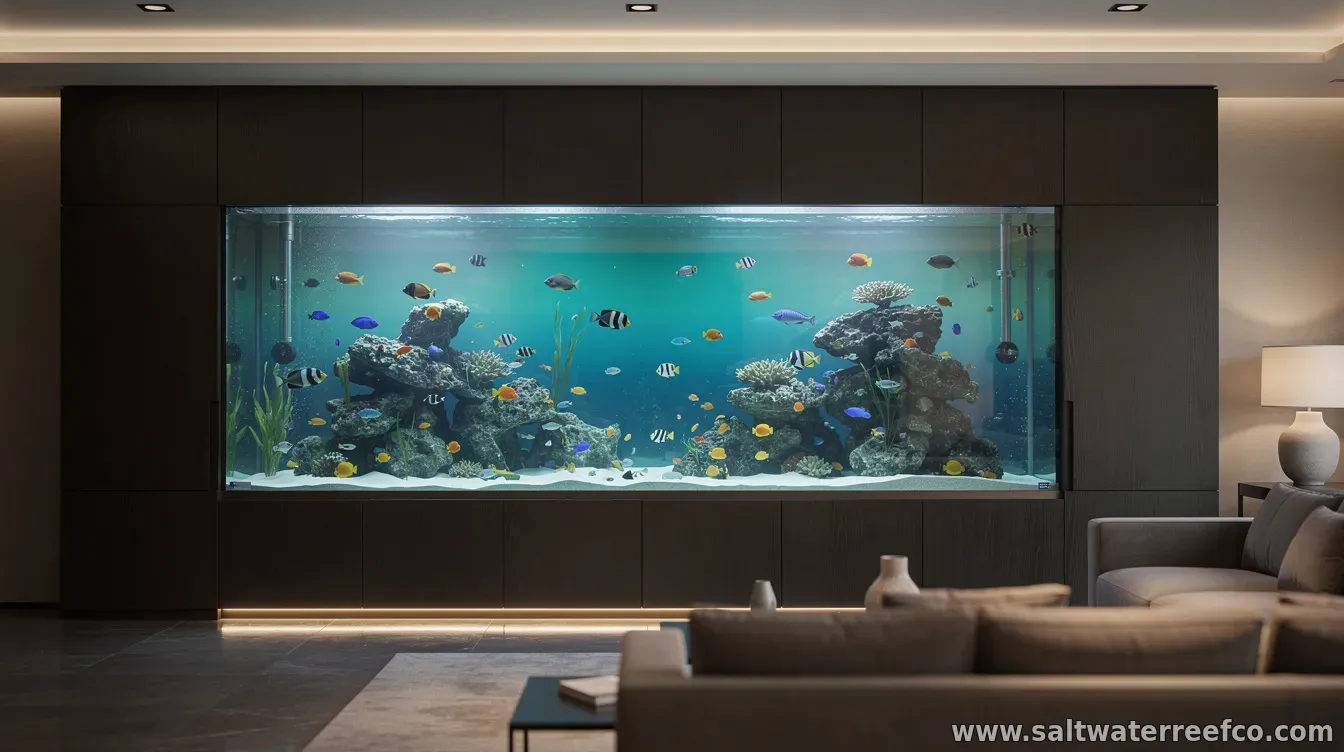
In many homes, the most memorable design elements aren’t the largest—they’re the most intentional. One recent case study highlights how a custom aquarium became a statement centerpiece, reshaping how a room feels and how people gather around it. Rather than choosing a standard setup, the homeowner began with a simple goal: create a focal point that felt integrated with the interior, not tacked on. That meant designing around the room’s sightlines, lighting conditions, and day-to-day routines—then matching the tank’s size and build quality to the space. Design that fits the room, not the other way aroundThe project started with measurements and viewing angles. The team accounted for where natural light entered, how reflections would behave at different times of day, and how the aquarium would be seen from seating areas. Placement mattered as much as the tank itself, ensuring the aquarium looked like part of the architecture. Customization also extended to the surrounding finish. A tailored stand and coordinated materials helped the system visually “lock in” with the room, while equipment placement was planned to keep the display clean. The goal was a polished, gallery-like presentation without sacrificing practical maintainability. Engineering the build for stability and longevityBeyond aesthetics, a custom aquarium has to perform reliably. In this case, the build incorporated careful planning for filtration capacity, water circulation, and heat management—factors that influence both water quality and animal wellbeing. Because glass thickness, framing support, and plumbing layout affect long-term stability, the tank was treated as a system rather than a product. The team also planned for service access, enabling routine maintenance without disrupting the overall look. Livestock choices shaped the overall experienceThe centerpiece effect depended on more than a tank installation—it came from creating a cohesive ecosystem that suited the homeowner’s preferences and schedule. Species selection was guided by compatibility and the care level the owner could reliably sustain. That approach helped make the aquarium visually consistent over time. Instead of chasing short-term “wow” moments, the design focused on lasting balance, with lighting and aquascaping aligned to promote natural-looking color and depth. What keeps the statement working: routine careEven a well-designed aquarium requires steady upkeep. The homeowner adopted a maintenance routine that included monitoring key water parameters, cleaning on a planned schedule, and feeding carefully to support stable conditions. Over weeks and months, the aquarium became less of a project and more of a daily ritual—something that drew attention without requiring constant intervention. In that way, the centerpiece didn’t just change the room’s appearance; it shaped how time was spent at home. For anyone considering a custom install, the takeaway is straightforward: the most striking results come from pairing aesthetic intent with practical engineering and a realistic care plan. When those pieces align, a custom aquarium can do what few home features manage to do—be both beautiful and dependable. |
|
|
Next & Previous posts