0:56 AM Professional Aquarium Maintenance: What’s Included & How Often |
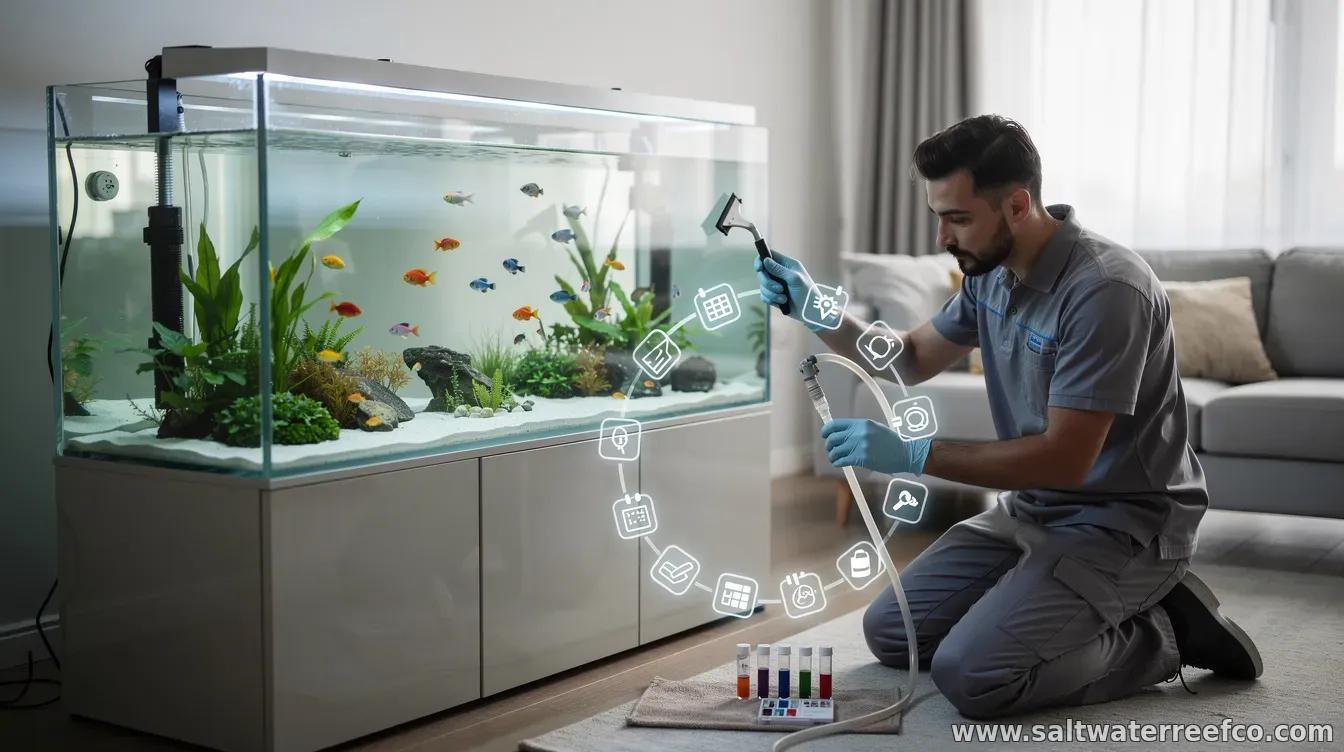
Keeping an aquarium stable takes more than feeding and occasional water changes. Professional aquarium maintenance is designed to reduce swings in water chemistry, keep filtration working efficiently, and catch problems early—before they become cloudy water, algae blooms, or stressed fish. While exact service plans vary by provider and tank type, reputable maintenance programs share a common structure: routine testing, targeted cleaning, equipment checks, and guidance on stocking and feeding. What’s typically included in professional aquarium maintenanceMost professional visits focus on maintaining the biological filter and the water parameters your fish and plants rely on. Common inclusions include water testing (often for ammonia, nitrite, nitrate, pH, and temperature), inspection of livestock, and adjustments or recommendations based on results. Depending on whether the aquarium is freshwater or saltwater, a maintenance visit may also include cleaning tasks that support both water clarity and system health. Common services you can expect:
Many providers also include notes on feeding habits, signs of stress, and whether minor changes—like changing filter media rotation or adjusting dosing—are needed. How often you should schedule aquarium maintenanceMaintenance frequency depends on tank size, stocking level (bioload), filtration capacity, and how stable your parameters are. In general, the smaller and more heavily stocked the aquarium, the more frequently it needs hands-on care. Typical schedules (guidance, not a guarantee):
Saltwater systems often require more consistent attention because parameters can shift quickly and costs rise when problems develop. Many saltwater owners opt for more frequent professional visits (for example, every 1–2 weeks) during active growth phases or if the aquarium is newly established. What changes when the tank is new vs. establishedNewly set up aquariums usually benefit from closer monitoring. Early on, the biological filter is still maturing and water parameters can fluctuate as beneficial bacteria establish. Professionals often recommend more frequent visits at the start—especially in the first 4–8 weeks—paired with careful water-change management and consistent testing. Once your aquarium is stable and readings remain predictable, maintenance can often be adjusted to a less frequent cadence. Still, trend monitoring remains important: the goal is to prevent slow declines that eventually show up as nuisance algae or persistent stress signs. Choosing a plan that fits your aquariumIf you’re comparing service options, look for providers that test and document results, explain what they found, and prioritize maintaining beneficial bacteria rather than over-cleaning the filter. Ask what they include in every visit, what triggers additional charges, and how they handle emergencies between scheduled appointments. A good professional plan should also be adaptive: if nitrate rises, algae increases, or livestock shows stress, the schedule or focus of the next visit should adjust accordingly. Whether you need weekly visits for a small, high-bioload tank or monthly service for a long-established system, professional maintenance helps you keep water chemistry stable, equipment reliable, and your aquarium looking its best—without guesswork. |
|
|
Next & Previous posts