3:08 AM How Often to Change the Water in a Saltwater Aquarium |
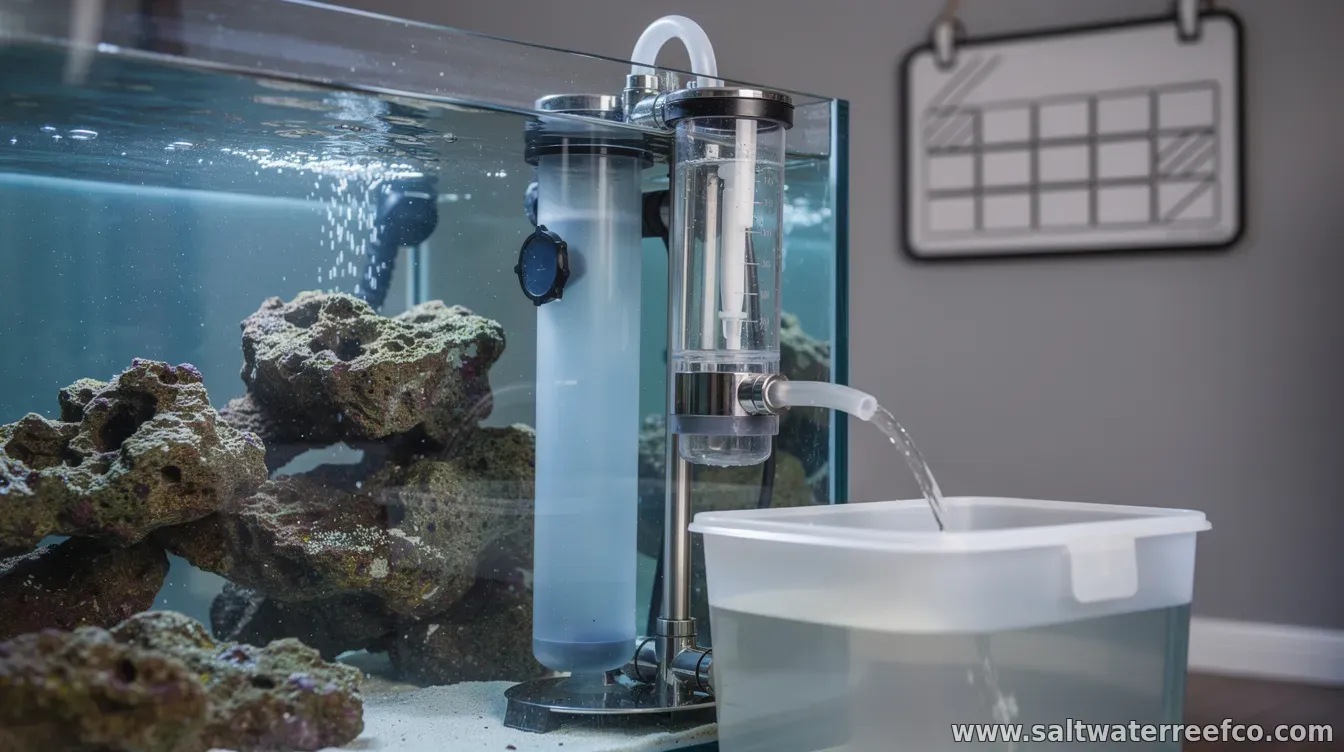
Changing water is one of the most effective routine tasks for keeping a saltwater aquarium stable. But “how often” depends less on a calendar and more on your tank’s bioload, filtration, and water-test trends—especially nitrate, ammonia, nitrite, and salinity. In general, most saltwater aquariums do best with partial water changes rather than frequent full swaps. Partial changes dilute accumulated dissolved organics, replenish trace elements, and help prevent nutrient buildup that can stress corals and fish. Common schedule starting pointsIf you’re looking for a practical baseline, many hobbyists follow one of these patterns:
These ranges are not rules—think of them as guardrails you adjust after testing. Use test results to fine-tune frequencyInstead of changing water “because it’s been X days,” let measurements guide you. If your tank is trending upward, you may need more frequent changes. If parameters stay consistently controlled, you might maintain a lower frequency. In particular:
What changes when you keep different types of tanksYour aquarium type strongly influences how often you’ll want to change water. Fish-only (FO) or fish-only with live rock (FOWLR): FO tanks often produce more waste relative to coral consumption, especially with heavier feeding. Many aquarists find that 10–20% every 1–2 weeks keeps nutrients steadier. Reef tanks (especially SPS-dominant): Corals are less tolerant of swings in salinity, alkalinity, and trace chemistry. Many reef keepers still perform routine partial changes, but they often prefer smaller, more consistent changes (or rely more on equipment like quality protein skimming and refugiums). The exact schedule varies widely by system. Systems using a refugium or strong nutrient export: If your tank has strong biological and mechanical export, you may be able to stretch water-change intervals. The deciding factor remains nutrient measurements, not equipment alone. How to do water changes correctly (so “more” doesn’t backfire)Frequency only matters if replacement water is prepared properly. A poorly executed change can stress animals through temperature, salinity, or chemical mismatch.
Also, don’t forget routine cleaning: if filters, overflow areas, or pumps are neglected, “more water changes” won’t compensate for ongoing buildup inside the system. How to tell if you should increase or decrease changesIf your tank is healthy, you may not need to change more than necessary. Signs you may need more frequent/large water changes include:
Conversely, if your parameters are stable and export is strong, reducing frequency (or volume) may be appropriate—particularly for sensitive reef setups where stability is prized. Bottom line: Most saltwater aquariums benefit from regular partial water changes—commonly 10–20% every 1–4 weeks—then adjusted according to measured nitrates, phosphates, and salinity stability. Test consistently, change water deliberately, and treat your schedule as a living plan rather than a fixed rule. |
|
|
Next & Previous posts