1:00 AM What’s Actually Included in Professional Reef Aquarium Maintenance |
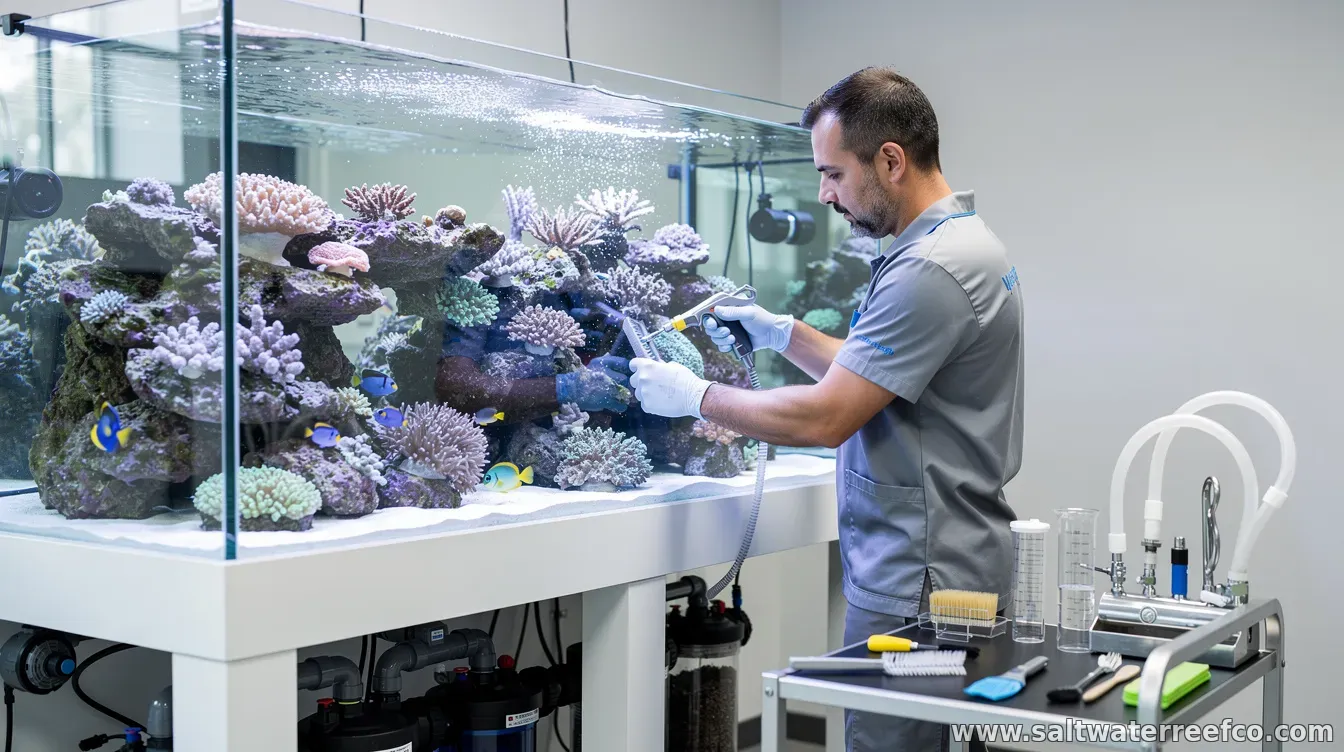
Professional reef aquarium maintenance is designed to protect the most important asset in a reef: stability. Unlike basic aquarium upkeep, reef systems depend on consistent water parameters, reliable filtration, correctly sized lighting, and careful feeding practices—because small swings can stress or harm sensitive corals and invertebrates. So what’s actually included when you hire a reef maintenance technician? While package details vary by company and tank size, most quality services follow a structured process that covers water quality, animal health, and system performance. Core weekly or scheduled tasksMost professional reef maintenance plans include a routine visit based on your tank’s needs—often weekly for established systems, with more frequent attention for young tanks, heavy coral loads, or bioload changes. During these visits, technicians typically perform hands-on care and monitoring rather than only “performing chores.” Common core tasks include confirming temperature and salinity, topping off evaporation with correctly matched water, and verifying that key filtration and water-flow components are operating within safe ranges. Water testing and chemistry managementReef tanks require tighter parameter control than most freshwater setups. Professional maintenance usually includes laboratory-grade or test-kit-based measurements of major and trace water chemistry. Technicians then adjust supplementation and husbandry decisions based on test results, not guesswork. Depending on the system and your service level, testing commonly covers parameters such as alkalinity (or carbonate hardness), calcium, magnesium, nitrate and phosphate, salinity, pH, and ammonia/nitrite (especially when troubleshooting). For many reef systems, the biggest value is that maintenance is driven by data—so corrective actions are targeted and documented. Coral care, fish health checks, and feeding managementAnimal care is usually a central part of professional maintenance. Technicians inspect corals and fish for early warning signs—such as tissue recession, bleaching stress, unusual algae patterns, or abnormal behavior—before issues become expensive. Maintenance may also include feeding support: confirming the type and amount of food, adjusting schedules, and ensuring feeding aligns with your nutrient goals. In reef systems, feeding is both nutrition and a controllable driver of nitrate and phosphate. Algae control and nutrient balanceEven with good filtration, reefs develop algae and biofilm over time. Professional services often address this through a mix of mechanical removal (where appropriate), export strategies (for example, based on your setup’s equipment), and nutrient management. Instead of chasing algae with quick fixes, reputable technicians focus on the root contributors—light, nutrient levels, flow patterns, and export capacity—so the tank stays balanced long term. Equipment inspection, calibration, and parts managementA reef’s reliability depends on hardware working correctly: return pumps, powerheads, protein skimmers, heaters, lights, dosing systems, and sensors. Professional maintenance typically includes inspecting equipment operation and performance, clearing buildup where needed, and confirming that devices are calibrated. For example, many technicians check pumps for correct flow, review skimmer performance, verify temperature control, and examine dosing lines or controllers to reduce the risk of underdosing or overdosing. Some providers also track maintenance intervals for wear items and coordinate replacements. Water changes, cleaning, and documentationMost service packages include portioned water changes tailored to the tank’s needs. The “how” matters: professionals match salinity, use the correct water source, and manage change timing to minimize stress. Cleaning tasks may include rinsing or replacing filters as appropriate for your filtration style, removing detritus where it accumulates, and tidying the system without disturbing beneficial biofiltration. Just as important, professional maintenance is often accompanied by records: test results, observations, and actions taken. Good documentation helps detect trends—like gradual parameter drift or rising nutrients—before livestock is affected. What to ask before you hire a reef maintenance companyNot all “reef maintenance” is the same. Before scheduling, ask for clarity on what is included, how often they test, and what triggers changes to your dosing or supplementation. Consider requesting their typical checklist, visit frequency options, and whether they provide a report after each visit. In particular, confirm whether they cover:
Professional reef aquarium maintenance is ultimately about maintaining a stable, low-stress environment for corals and fish through consistent monitoring, informed husbandry, and reliable equipment care. When you understand what’s included—and what isn’t—you can choose a service level that matches your tank’s complexity and your long-term goals. |
|
|
Next & Previous posts