1:49 AM Reef Water Parameters Explained: Salinity, Alkalinity, Calcium |
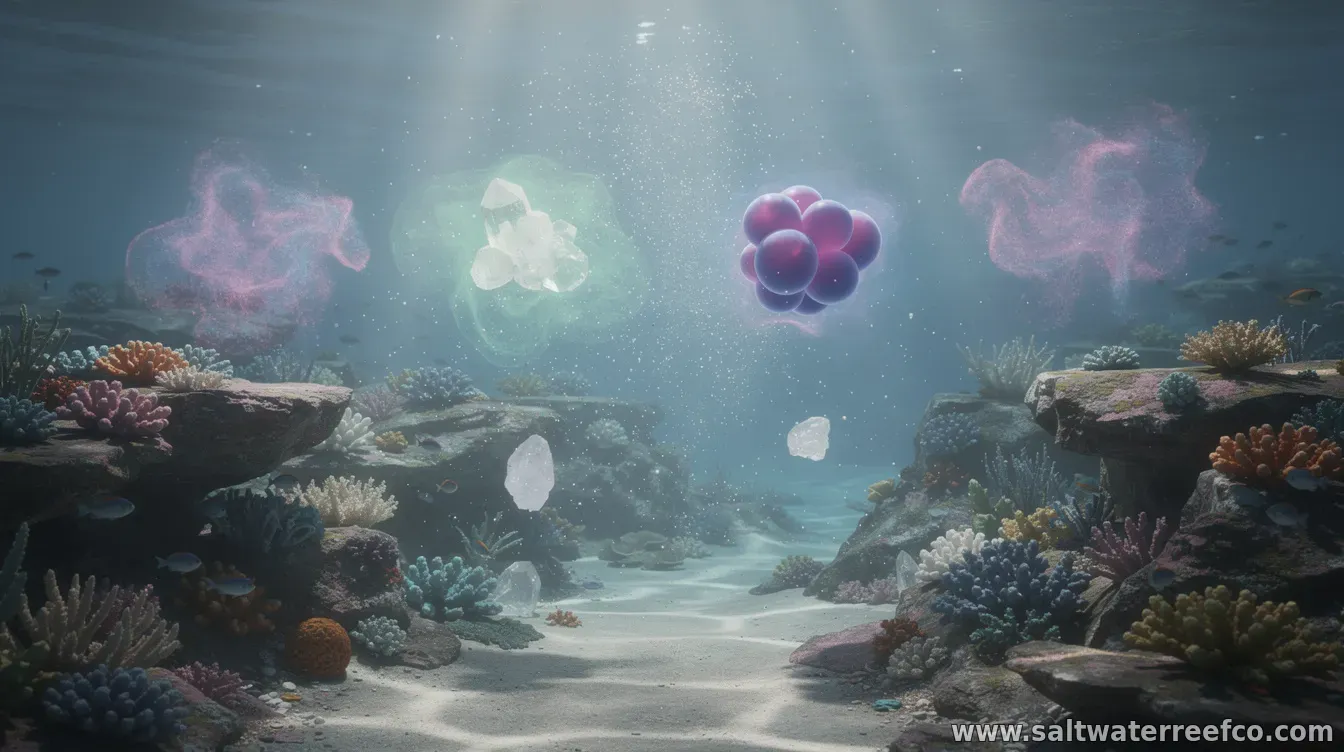
In reef aquariums, water chemistry is the hidden foundation for coral health. While modern test kits can seem intimidating, the basics come down to a few measurable parameters. Among the most important are salinity, alkalinity, calcium, and magnesium—each playing a distinct role in how corals build and maintain their skeletons. Salinity is essentially the aquarium’s salt concentration. Most marine organisms, including corals and invertebrates, rely on stable salinity to regulate fluids and maintain normal biological function. If salinity drifts too high or too low, stress can show up quickly as slowed growth or poor coloration. Many aquarists target a consistent value (commonly around 1.025–1.026 specific gravity, depending on local convention) and prioritize stability over chasing daily fluctuations. Alkalinity, often measured in dKH or meq/L, reflects the water’s buffering capacity—its ability to resist swings in pH. For reef tanks, alkalinity matters because calcifying organisms consume carbonate and bicarbonate as they form calcium carbonate. When alkalinity is too low, corals may struggle to build skeletons. When it’s too high (or swings rapidly), it can contribute to instability and unintended chemistry shifts. The practical goal is a steady alkalinity level, typically maintained in the mid-range used by many reef keepers (often about 7–12 dKH). Calcium is the other major building block for calcium carbonate skeleton formation. Even when alkalinity is within range, calcium that’s too low can limit calcification. Conversely, calcium that’s adequate (and paired with the right alkalinity) supports consistent skeletal growth. Because calcium is consumed over time as corals grow, it often needs periodic monitoring and dosing in systems with active SPS (small-polyp stony) corals or high bioloads. Magnesium acts more like a “stability assistant” than a direct skeleton builder. Magnesium helps regulate how calcium carbonate forms in seawater, influencing whether unwanted precipitation occurs. When magnesium is low, calcium and alkalinity may become harder to maintain, and tank chemistry can drift as precipitation events remove calcium and carbonate from the water column. For most reef setups, hobbyists generally target magnesium in a range around 1250–1350 ppm, adjusting based on test results and tank demand. How the four parameters work togetherThese measurements are linked. Alkalinity and calcium are directly involved in coral calcification, while magnesium supports the overall chemical balance that helps those values stay stable. For example, raising alkalinity without considering calcium demand can still lead to slow growth if calcium falls out of range. Similarly, if magnesium is not adequate, efforts to correct alkalinity and calcium may be less efficient because of increased precipitation risk. Practical maintenance approachRather than making large changes based on a single test, most experienced reef keepers focus on trends: frequent small checks, consistent dosing strategies, and keeping top-off water and evaporation under control. Salinity is especially sensitive to evaporation, so topping off with water of the correct salinity (often using reverse-osmosis/deionized water for the top-off) helps prevent drift. For alkalinity, calcium, and magnesium, regular testing—then incremental adjustments—tends to be safer than chasing numbers after big swings. Ultimately, stable reef water chemistry isn’t about perfection—it’s about consistency. By understanding what salinity, alkalinity, calcium, and magnesium each do, hobbyists can interpret test results more confidently and make changes that support long-term coral health. |
|
|
Next & Previous posts