5:22 AM Reef Salt Mixes: How to Choose and Mix Correctly |
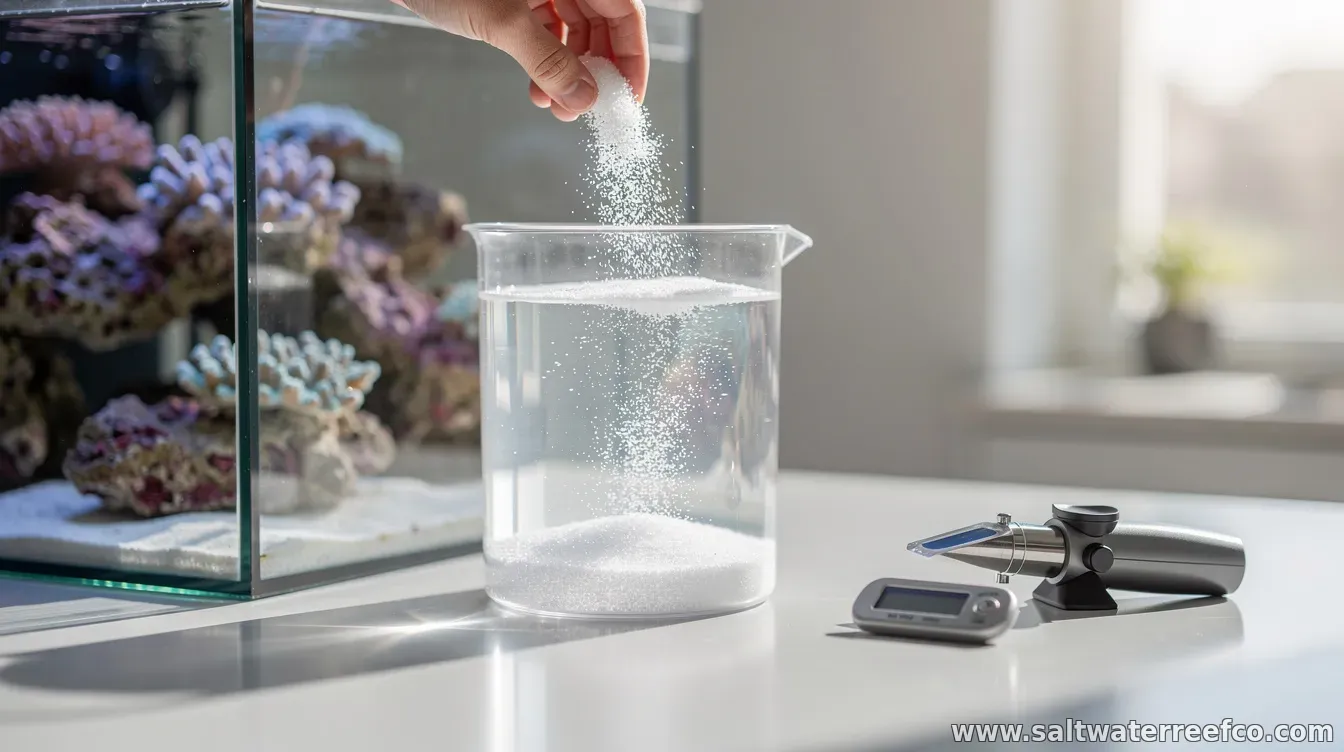
Reef aquariums depend on stable water chemistry, and the salt mix you use is a major factor in how reliably your tank reaches (and maintains) target parameters. Whether you’re starting a new system or doing routine water changes, the right salt and the right mixing process help prevent swings in salinity, alkalinity, and other dissolved ions. Below is a step-by-step approach to choosing reef salt mixes and mixing them correctly, with the most common pitfalls to avoid. Start with your tank’s needsNot all “reef salts” are identical. Many products are designed around different coral and macroalgae expectations (or different baseline targets). Before you buy, consider your setup: a mixed reef with soft corals versus an SPS-dominant tank may require tighter control over alkalinity and calcium stability. Also factor in whether you run a refugium or use kalkwasser/reactors, since your baseline chemistry affects dosing decisions. How to choose a reef salt mixWhen comparing brands and formulations, focus on what matters most for your livestock and equipment. Look for:
Use the right water—don’t “cut corners”Even the best salt mix can underperform if your starting water is inconsistent. Use high-quality RO/DI or an equivalent system that removes dissolved solids and contaminants. If your starting water has elevated TDS or unwanted ions, you may see salt mixes produce unpredictable results—especially with alkalinity, magnesium, and trace element behavior. Mixing: the method that delivers stable resultsCorrect mixing is about achieving full dissolution and reaching the intended salinity before it meets your tank. Follow a proven routine: 1) Measure carefully. Start by using the manufacturer’s recommended dosage by volume (or weight, if provided). For best accuracy, weigh the salt rather than relying on cups, and confirm the target salinity you want for your system. 2) Add salt to water—gradually. Add salt mix to the water, not the other way around, and mix continuously. If you dump all the salt at once, dissolution can be uneven. 3) Use strong, steady circulation. A powerhead or mixing pump helps keep the solution uniform. Insufficient mixing can leave pockets of higher salinity or different ion concentrations. 4) Mix long enough for completion. Many salt mixes require more time than people expect for full dissolution. Allow adequate mixing until the solution is clear and parameters are stable. If your product recommends a specific time at a specific temperature, follow it. 5) Match temperature before use. Temperature affects density and measurement tools. Aim to have the final mixed water at a temperature close to your aquarium’s temperature to reduce stress and measurement error during top-off or water changes. Verify with instruments, not assumptionsAfter mixing, confirm key parameters before adding water to the tank. At minimum, measure salinity (with a reliable refractometer or conductivity meter) and ensure it matches your target. If your tank depends on stable alkalinity and calcium, measure alkalinity, calcium, and magnesium periodically to confirm the salt mix is delivering what you expect. If results differ from expectations, re-check these common variables: the starting water quality (TDS), the dose accuracy, mixing time, temperature, and whether the solution fully dissolved. Common mistakes that cause chemistry swingsEven experienced aquarists can see instability when mixing isn’t consistent. Watch for:
Practical best practices for routine water changesTo keep results repeatable, build a mixing schedule and standardize your process. For example: mix a separate batch in a clean container, label it by date and target salinity, and let it finish mixing long enough to reach stable readings. If you perform automated dosing or have SPS-heavy systems, consider tracking how each batch performs over time so you can anticipate trends. By choosing a salt mix that matches your reef goals and using a consistent mixing and testing routine, you reduce the risk of sudden parameter changes—giving corals a more stable environment for growth and recovery. |
|
|
Next & Previous posts