3:07 AM Reef Lighting 101: What to Look For |
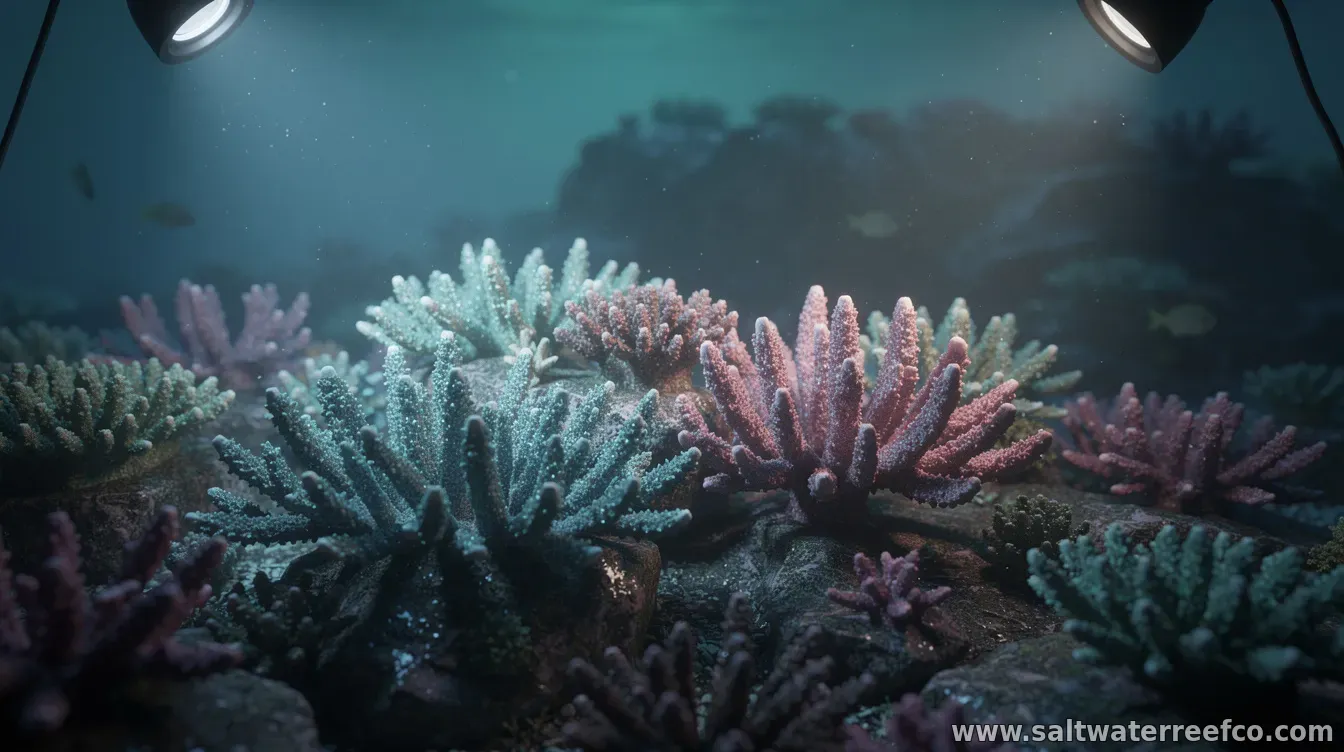
Reef lighting isn’t just about making your aquarium look bright. For reef tanks, the quality of light directly affects coral photosynthesis, coloration, and long-term health—so choosing the right fixture means understanding a few key specifications. Most modern reef lights fall into two broad categories: LED fixtures and (in some setups) hybrid or traditional options. Regardless of type, successful lighting comes down to matching the spectrum, delivering the right intensity at the coral’s depth, and ensuring even coverage across the tank. Spectrum: aim for the right mix of wavelengthsCorals use light in specific ranges, and different species prefer different spectra. When comparing fixtures, look for a designed coral-spectrum profile rather than relying on a generic “white” output. Many reef lights use a combination of cool/warm whites plus blues (often around the 400–500 nm range) because that band is strongly associated with coral fluorescence and photosynthesis. It’s also worth checking for configurable channels (for example, separate blue and white controls). That flexibility helps you fine-tune the appearance and growth results as your tank matures. Intensity and PAR: the numbers that matterBrightness alone doesn’t tell the full story. Instead, reef aquarists typically evaluate intensity using PAR (Photosynthetically Active Radiation). If a manufacturer provides PAR maps or measurements at different depths, that’s a strong sign of transparency. In practice, your “right” PAR depends on coral types and placement (top versus bottom rockwork). If you don’t have PAR data, you may need to start cautiously and adjust using coral response and (ideally) a PAR meter for accuracy. Coverage and mounting height: avoid hot spotsA common lighting mistake is uneven distribution—strong hotspots under the fixture and insufficient light across the rest of the tank. Check the fixture’s recommended tank dimensions, spread angle, and whether it’s designed for your exact footprint. Mounting height is equally important. Even an excellent spectrum can underperform if the fixture is mounted too high (leading to low intensity) or too low (creating harsh gradients and elevated stress for corals near the light source). Controls and acclimation: ramp schedules reduce stressReef corals generally respond best to gradual changes. Look for lighting that supports sunrise/sunset ramping and programmable schedules rather than fixed on/off operation. Many reef LEDs also allow channel control so you can reduce overall intensity during acclimation and then increase in steps over time. Good controls aren’t just convenience—they’re part of responsible husbandry. When switching lights, abrupt jumps in intensity or spectrum can trigger bleaching or inhibit proper recovery. Color rendering and saltwater “look”: balance beauty and functionWhile PAR and spectrum drive coral health, you’ll also live with the visual outcome. Some fixtures may appear very blue to your eye, which can make corals pop but may not match the coverage and intensity you expect. Pay attention to reviews and real tank examples, ideally from tanks with similar depth and coral types. Look for claims that distinguish between “look” and measured performance. A fixture marketed mainly on aesthetics may still work, but you’ll want stronger evidence on PAR, coverage, and programmability. What to check before you buyIf you’re comparing options, prioritize the details that help you predict real results in your tank. Consider these checkpoints:
By focusing on spectrum quality, measurable intensity, even coverage, and controllable acclimation, you’ll be able to choose reef lighting that supports both coral health and the vibrant look aquarists want. |
|
|
Next & Previous posts