11:25 AM Custom Pond Installations: Bringing Aquatic Design Outdoors |
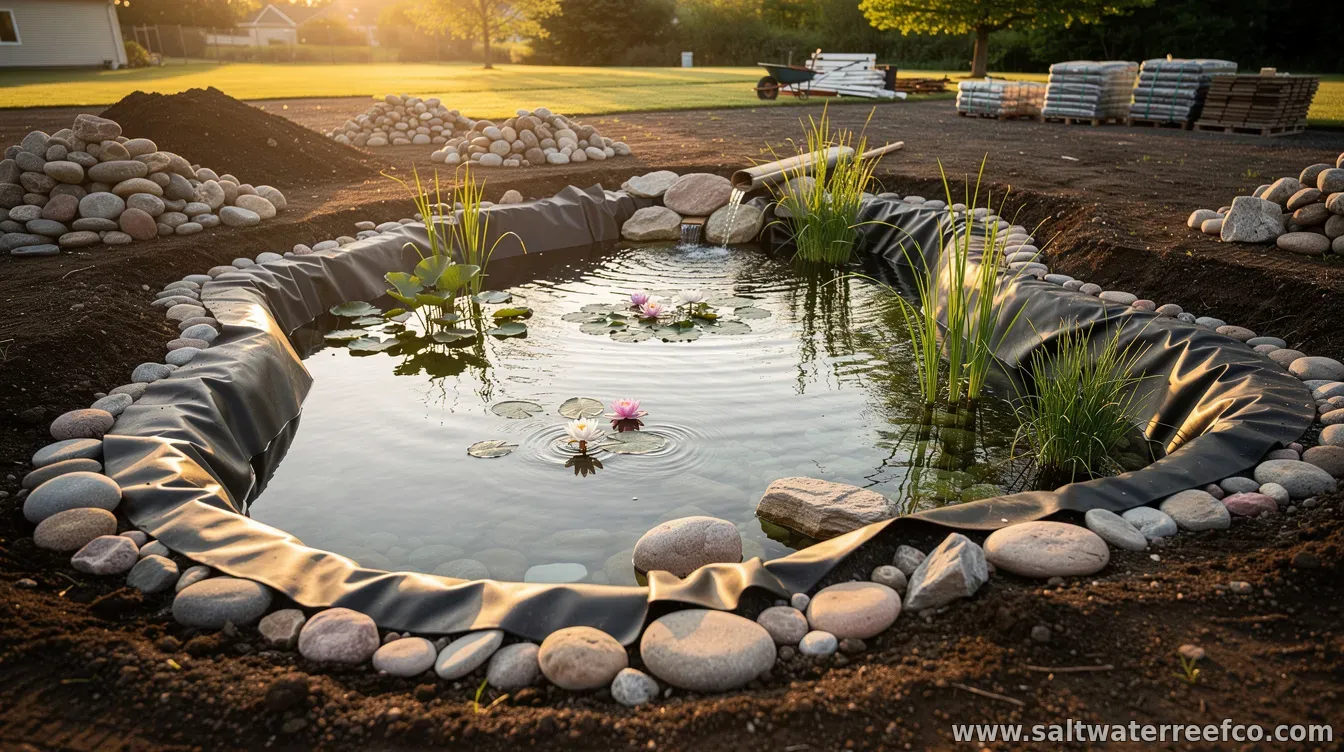
Custom pond installations are increasingly popular for homeowners and small property managers looking to add a distinctive outdoor focal point. Rather than choosing a prefabricated model, many clients work with aquatic design specialists to create a pond that fits the space, the look they want, and the local conditions that affect water clarity and plant health. At the center of most custom builds is a design-and-site planning process. Specialists typically evaluate sun exposure, water runoff patterns, soil type, accessibility for installation and future servicing, and any existing landscaping that needs to be preserved or integrated. The goal is to ensure the pond performs reliably once it’s filled—not just at launch. A key differentiator in custom aquatic design is the ability to balance aesthetics with function. Many pond projects include thoughtfully planned depth zones to support different plant types, along with placement of hardscape elements such as stones, edging, and viewing contours. These choices can help manage algae growth by reducing excess sunlight on the water and supporting healthier plant coverage. Water quality and circulation are also major components of modern pond builds. Most installations rely on a filtration strategy sized to the pond’s volume and intended bio-load, often paired with pumps and circulation lines designed to keep water moving. Done well, this reduces debris buildup and helps maintain clearer water for both viewing and fish (when included in the design). For customers interested in wildlife-friendly designs, aquatic professionals may incorporate features such as shallow shelves for emergent plants, gradual slopes for natural-looking edges, and plant palettes selected for the climate and sunlight conditions. In many cases, the selection of native or well-suited plant species is treated as a performance factor, not just decoration. Materials and construction methods influence both durability and the pond’s long-term look. Installers may use flexible liners or other engineered pond systems depending on site needs, and they often pay close attention to sub-base preparation to prevent settling or uneven surfaces. Streamlines for spillways, waterfalls, or gentle rills are frequently integrated to add oxygenation while creating a soundscape that enhances the outdoor environment. When fish are part of the plan, the design often expands to include stocking expectations, feeding considerations, and a filtration system capable of handling waste. Clearwater ponds with fish typically require a system designed for ongoing biological filtration, along with a practical maintenance schedule that matches the season. Even ponds without fish can benefit from a tailored approach. Homeowners may focus on plant density, oxygen exchange, and debris management to achieve water clarity that supports healthy aquatic growth. That may involve selecting appropriate plants, adjusting water turnover rates, and planning for seasonal changes such as leaf fall and temperature swings. Cost and timeline vary widely based on size, features, and site complexity, but custom pond installations generally aim to reduce the risk of future redesigns by making key decisions upfront. A well-defined scope—covering excavation, filtration components, hardscape finishing, and any integrated lighting or water features—helps ensure the final product matches the intended design. As outdoor living continues to evolve, custom ponds are becoming more than decorative water gardens. They are engineered landscape features that reflect personal style while addressing practical requirements like water quality, durability, and maintenance. For homeowners considering a pond, the next step is often a site assessment and concept consult to confirm the right design, materials, and filtration approach for their specific property. |
|
|
Next & Previous posts