0:36 AM How to Design Aquariums for Restaurants, Offices, and Hotels |
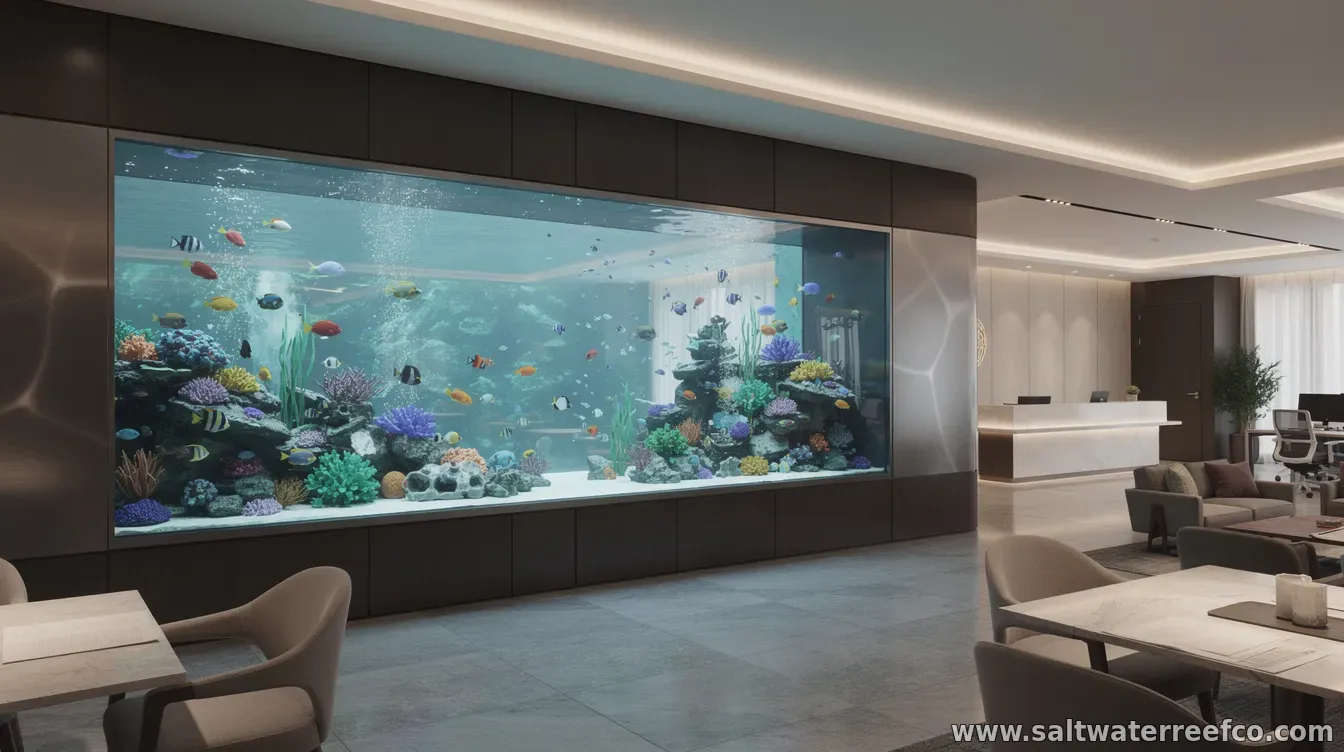
Designing an aquarium for a restaurant, office, or hotel is more than choosing a tank and filling it with fish. Because these spaces serve people every day—often with varying lighting, traffic, and operating schedules—the aquarium must be engineered for stability, ease of upkeep, and a consistent guest experience. Whether the goal is a dramatic lobby centerpiece or a calming viewing wall in a dining area, the core design challenge is the same: create a system that supports animal welfare and water quality while fitting real-world building constraints and staffing realities. Start with the space: sightlines, safety, and customer flowThe first step is assessing where guests will see and interact with the tank. High-traffic locations need durable materials, secure mounting, and thoughtful placement to prevent bumping, water splashes, or accidental contact. Designers often choose viewing angles that minimize glare from windows and overhead lighting, ensuring fish remain visible without requiring constant adjustments. At the same time, safety requirements matter: consider tempered or laminated glass, concealed edges, leak detection plans, and barriers or recesses where appropriate. For hospitality and offices, noise and vibration also play a role—equipment placement should reduce audible hum in quiet areas. Match the aquarium to the venue’s lifestyle and operating scheduleRestaurants, offices, and hotels differ in foot traffic patterns and staffing coverage, which directly affects feeding and maintenance timing. A hotel aquarium, for example, may need a design that handles longer periods between routine checks if staff rotations vary. An office aquarium may be subject to holiday closures, HVAC changes, and after-hours security procedures. Designers typically plan for predictable routines: feeding schedules that align with staff availability, maintenance tasks that can be handled by in-house personnel or a contracted service, and monitoring that provides early warnings when conditions drift. Choose species and layout based on long-term water stabilitySpecies selection should be driven by compatibility, temperament, and how well the animals will thrive under the planned lighting and filtration. For public-facing venues, stress tolerance is important because tank conditions can be influenced by visitor behavior, temperature fluctuations, and feeding habits. A practical approach is to design the aquascape around stable zones—open swimming areas, hiding spots, and appropriate substrate—while selecting fish and invertebrates with similar care requirements. This helps reduce outbreaks and makes the system easier to manage over time. Engineering the filtration and temperature control for consistencyBehind every “beautiful” aquarium is a system that controls water chemistry. High-visibility venues benefit from robust filtration, realistic bio-load planning, and redundancy where possible. Designers often evaluate whether the tank needs sump capacity, what filtration media will be used, and how waste will be managed to prevent odor and cloudiness. Temperature stability is another major factor. Restaurants and hotels can experience rapid thermal swings due to doors opening and HVAC cycling, so the aquarium’s heater/chiller strategy should match the expected environment. Reliable temperature regulation reduces stress, improves health outcomes, and supports more predictable maintenance. Lighting and aesthetics: balance drama with animal needsLighting choices affect both the visual impact and the biological health of the aquarium. Designers aim for controlled, energy-efficient illumination that highlights color and movement without causing excessive algae or overheating. Photo-worthy lighting is useful for marketing and guest satisfaction, but it should never come at the expense of stable growth conditions for plants or algae management for display tanks. For venues with strong daylight, glare management can include angling the tank, using diffused light, or selecting lighting temperatures that keep fish clearly visible while limiting unwanted reflections. Maintenance planning: monitoring, cleaning, and staffing realityAn aquarium is a long-term operational responsibility. Successful designs plan for routine tasks—like filter checks, glass cleaning, water testing, and topping off evaporation—without placing an unreasonable burden on busy staff. Many facilities add structured checklists and define who responds to alerts or abnormal readings. Proactive monitoring can reduce risk. Sensors and basic automation—paired with scheduled professional servicing—help maintain water quality and detect issues early, such as temperature drift or abnormal chemical levels. This is especially important for hotels and restaurants, where public viewing continues every day. Finally, consider contingency plans: what happens during power interruptions, water leaks, or equipment downtime. Clear procedures for emergency response protect both the animals and the venue’s reputation. With the right planning—space-aware placement, appropriate species, engineered filtration, carefully chosen lighting, and maintenance aligned to staffing—an aquarium can become a sustainable brand asset. Done well, it turns a simple display into a memorable guest experience that stays healthy season after season. |
|
|
Next & Previous posts