1:20 AM Cycling a Saltwater Tank: Timeline and Best Practices |
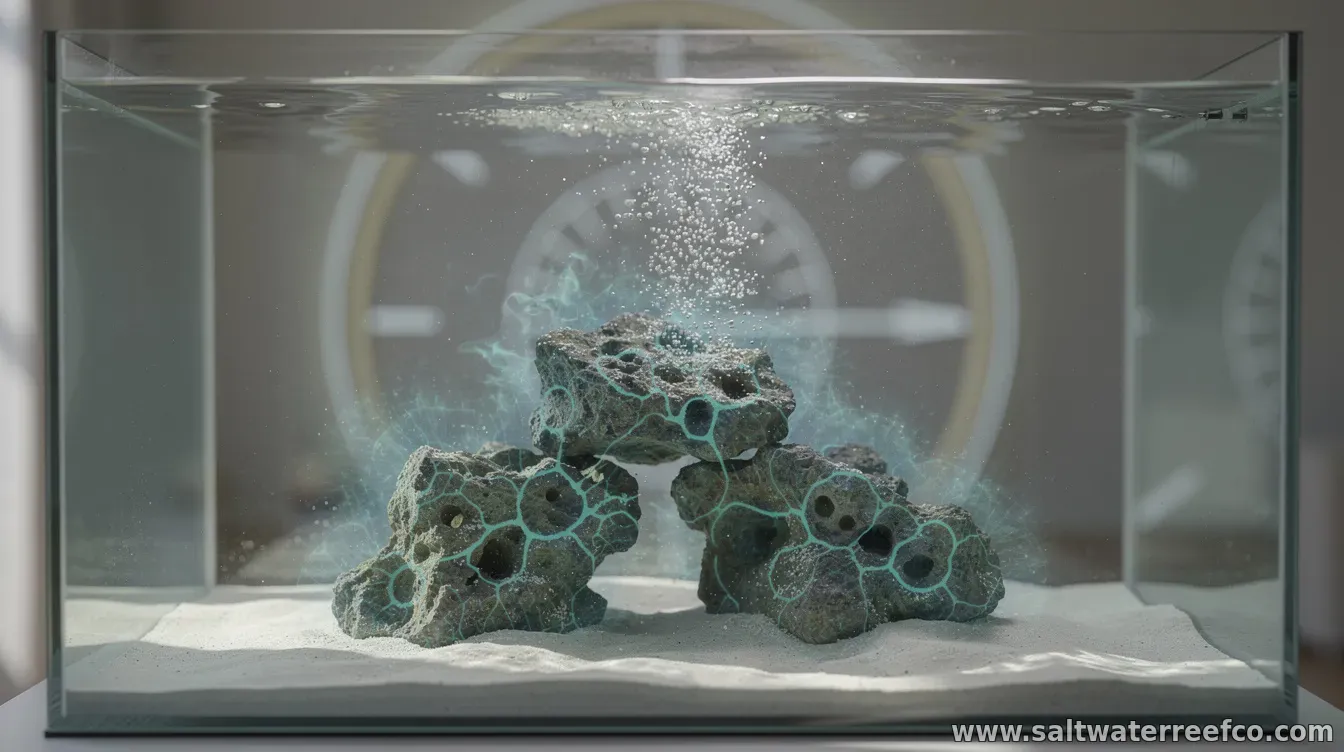
Cycling a saltwater tank is the essential first step before you add livestock. The goal is to establish beneficial bacteria that convert toxic ammonia into nitrite, and then into less harmful nitrate. While there’s no single “universal” timeline, most aquarists can expect the full process to take about 3–6 weeks, with results confirmed by water-test readings rather than guesswork. The cycle starts when ammonia is introduced—either from a fishless method (like adding pure ammonia or a prepared “starter” source) or from an early bioload. Over time, bacteria that feed on ammonia begin to multiply, followed by bacteria that consume nitrite. When both steps are working reliably, the tank is considered cycled for safe fishkeeping. How long does cycling a saltwater tank take?In general, cycling falls into a few practical ranges:
A key point: “Days” don’t matter as much as completion criteria. Many tanks are called “cycled” only after you can see a full ammonia-to-nitrite conversion and then nitrite-to-nitrate conversion, with readings returning to safe levels predictably. How to do it right: a reliable cycling approachStart with the right equipment and conditions. Aim for stable temperature (often in the mid-70s °F/around 24–26 °C for most reef setups), good water circulation, and an appropriate salinity level. Use a quality test kit for ammonia, nitrite, and nitrate—then follow a consistent dosing schedule to keep the cycle moving. Next, choose a fishless method. Fishless cycling is strongly preferred because it avoids exposing animals to harmful ammonia and nitrite. You can introduce ammonia via a controlled product, or by using a bacterial starter and an ammonia source designed for aquariums. The most important factor is that ammonia must be present to “train” the bacteria. Throughout the process, test regularly—often every few days at first, then more frequently if levels are changing quickly. Watch for these signs of progress: ammonia should rise, then fall as bacteria convert it; nitrite should rise next, then fall as the second group of bacteria takes over; nitrate will typically rise during the cycle and may continue increasing until water changes manage it. Common mistakes that stall or prolong cyclingEven experienced hobbyists can accidentally slow down the cycle. Avoid these pitfalls:
Another frequent issue is test interpretation. Ammonia and nitrite are both toxic, even at relatively low levels. Make sure you’re using tests that can detect what you’re seeing, and record results so you can identify trends rather than single readings. When is your tank actually ready?Use a “confirmation” mindset. A tank is generally considered ready when ammonia is consistently at or near zero, nitrite is also consistently near zero, and nitrate is present (often requiring eventual management). Many aquarists confirm readiness by dosing ammonia to re-test the conversion pathway one more time, ensuring the cycle can handle a new input quickly. After cycling, resist the urge to overstock immediately. Even when a tank is cycled, biological stability is easier to maintain with gradual additions. If you’re planning a reef tank, consider how equipment like protein skimmers and refugiums may affect nutrient levels and how quickly your system adapts. With the right timeline and verification, cycling becomes predictable rather than mysterious. Plan for roughly 3–6 weeks, test consistently, and follow a fishless, chemistry-forward approach—then introduce livestock gradually to protect both your tank and its future residents. |
|
|
Next & Previous posts