2:31 AM The Nitrogen Cycle Explained for Beginners |
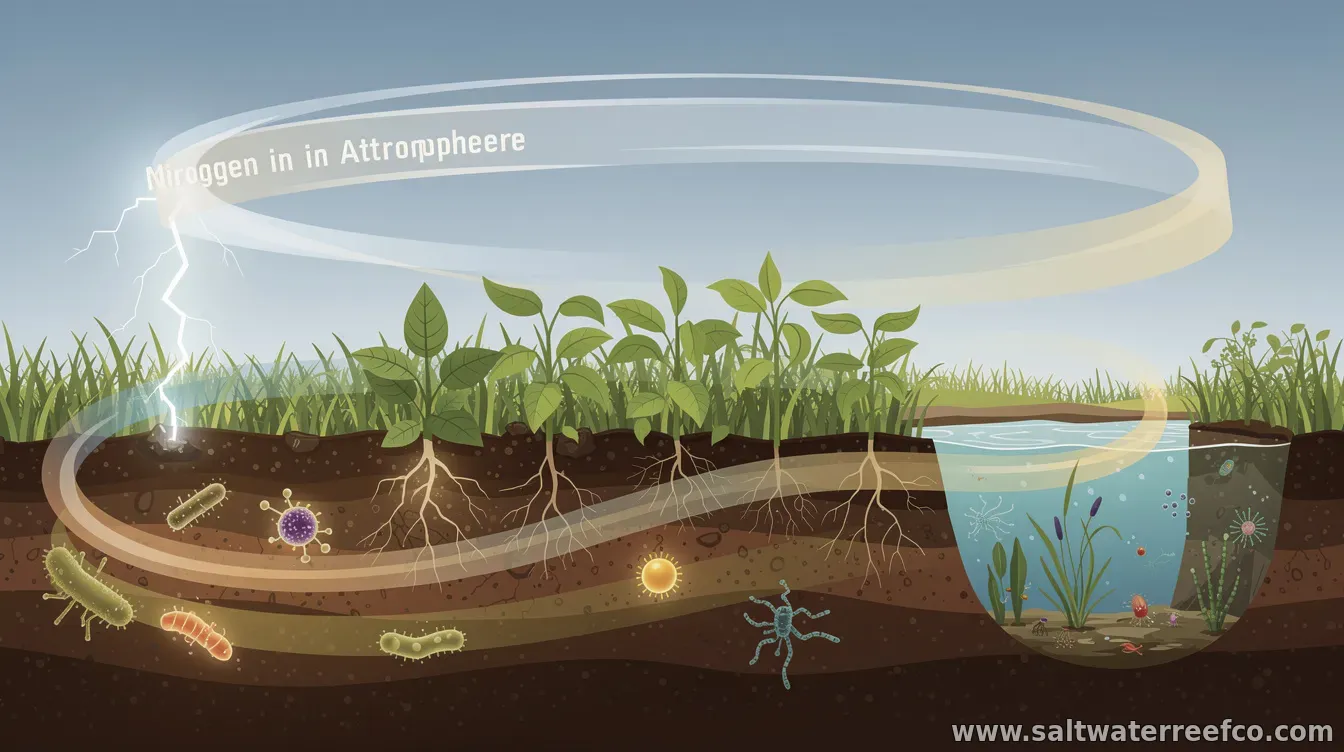
Nitrogen is one of the most important elements for life, building blocks for proteins and DNA. However, most nitrogen in the atmosphere (N₂) isn’t directly usable by plants. The nitrogen cycle explains how nitrogen continually transforms between the air, soil, water, and living organisms so ecosystems can keep thriving. At a high level, the cycle moves nitrogen through four main stages: nitrogen fixation, nitrification, assimilation, and denitrification. Microorganisms do most of the heavy lifting. Nitrogen fixation: turning air into usable nitrogenMost nitrogen on Earth is trapped in the atmosphere as N₂ gas. Nitrogen fixation converts this gas into ammonia (NH₃) or related compounds that can enter the soil. This can happen through:
Once fixed, nitrogen can be processed by other microbes and taken up by plants. Nitrification: converting ammonia into nitratesAfter nitrogen fixation, ammonia (and ammonium, NH₄⁺) is transformed through nitrification, a two-step process carried out by specialized bacteria. Typically, ammonia is first oxidized into nitrite (NO₂⁻), then into nitrate (NO₃⁻). Nitrates are highly soluble, which makes them accessible for plant roots—an essential bridge between soil chemistry and living tissue. Assimilation: plants and animals take it upDuring assimilation, plants absorb nitrates (NO₃⁻) or other available nitrogen forms through their roots. Inside plants, nitrogen becomes part of amino acids, enzymes, and other biological molecules. When animals eat plants (or other animals), that nitrogen moves into their bodies as well. In this way, the nitrogen cycle directly supports food webs and the growth of organisms. Ammonification and decay: recycling nitrogen from wastePlants and animals eventually release nitrogen back into the environment. This happens through waste (like urine) and through the decomposition of dead organisms. Microbes carry out ammonification, converting organic nitrogen compounds back into ammonia or ammonium. This step is crucial because it restores nitrogen to a form that can re-enter the nitrification pathway—or be taken up again depending on conditions. Denitrification: returning nitrogen to the atmosphereFinally, denitrification completes the cycle. In low-oxygen environments (such as waterlogged soils), bacteria convert nitrates (NO₃⁻) into nitrogen gases like nitrous oxide (N₂O) and ultimately nitrogen gas (N₂), releasing them back to the atmosphere. This return to the air helps maintain the long-term balance of nitrogen availability. It also explains why nitrogen cycles rather than simply accumulating in one place. In real ecosystems, these processes overlap. Soil conditions, moisture, temperature, and oxygen levels all influence which steps dominate at a given time. But the big idea stays the same: microbes transform nitrogen through chemical “routes,” making nitrogen usable for life—and then sending it back to the atmosphere. Understanding the nitrogen cycle also helps explain practical issues like fertilizer impacts and how pollution can change nutrient levels in waterways. As you learn the cycle’s main steps, you’ll start to see nitrogen’s role in everything from plant growth to ecosystem health. |
|
|
Next & Previous posts