1:26 AM RO/DI Water: Why Tap Water Can Hurt Reef Tanks |
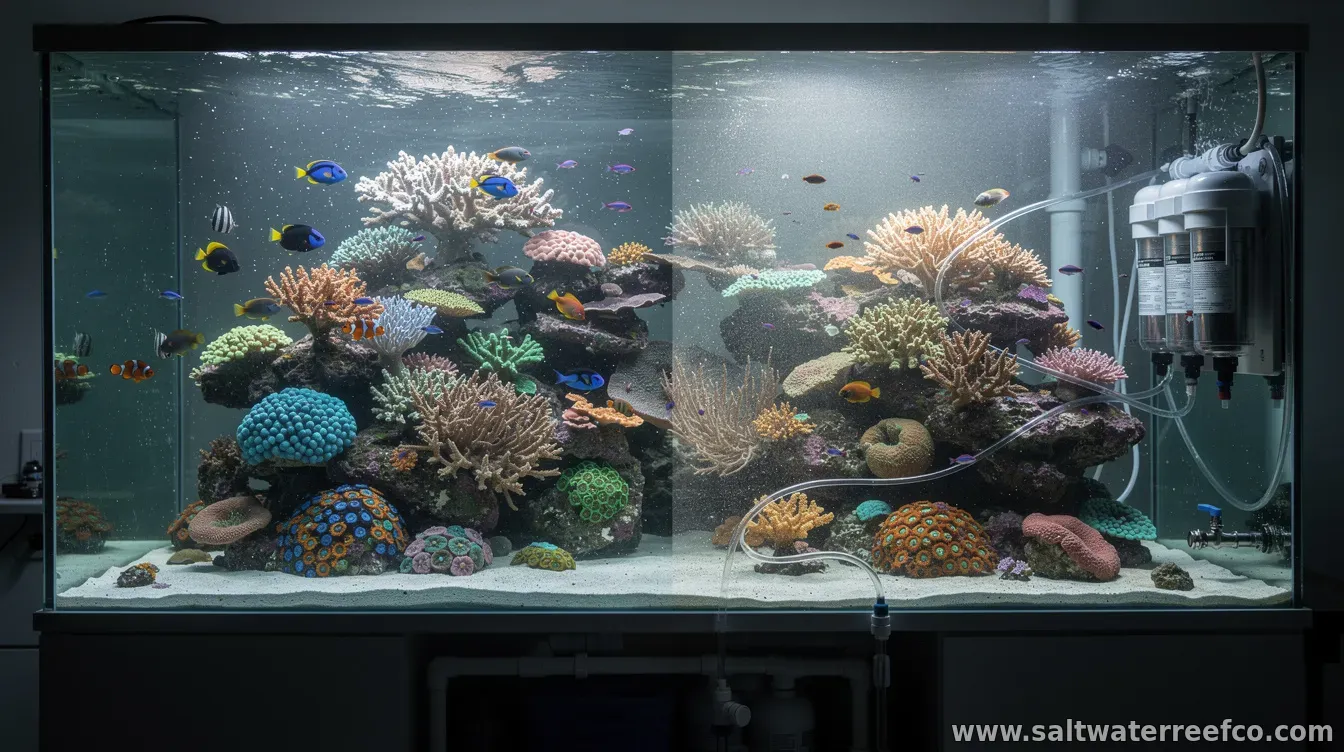
Reef aquariums thrive when water chemistry stays stable—down to the tiny details that most household water supplies don’t control. That’s why many reefkeepers choose RO/DI (reverse osmosis/deionization) water instead of straight tap water. While tap water may look clear and smell normal, it can carry dissolved substances and disinfectants that react badly in saltwater systems. Tap water typically arrives with dissolved minerals such as calcium and magnesium, along with measurable levels of total dissolved solids (TDS). Even if those values seem low, reef tanks are extremely sensitive to gradual shifts in salinity, alkalinity, and trace-element balance—especially in tanks running lots of calcium/alkalinity supplementation or automatic dosing. Chlorine and chloramine: common disinfectants with reef risksMost municipal water is treated to kill microbes before it reaches homes. The problem is that disinfectants don’t always vanish cleanly once water is added to an aquarium. Chlorine can be easier to address with dechlorinators, but many utilities use chloramine, which is more stubborn and may require specific treatment. If left unchecked, these compounds can stress fish, irritate gill tissue, and complicate microbial stability in the tank. Unwanted metals and contaminantsEven “safe” tap water can contain trace metals depending on local infrastructure—such as copper, zinc, iron, or lead. Reef systems, especially those with invertebrates like shrimp, crabs, and coral polyps, can be far less tolerant than people expect. Over time, small additions of metals through top-off water or salt mixing can accumulate, undermining health and growth. In addition, some tap sources include silicates and phosphates in low concentrations. These don’t always cause immediate die-offs, but they can fuel algae outbreaks and contribute to nuisance growth—an issue that can be hard to reverse once it takes hold. TDS creep: why “small” numbers still matterA key metric reefkeepers watch is TDS (total dissolved solids). Tap water can be acceptable for drinking yet still carry enough dissolved material to raise baseline levels in a reef tank. Because top-off (evaporation replacement) is continuous, even modest TDS in tap water can steadily increase unwanted ions over weeks and months. RO/DI systems reduce TDS dramatically. Reverse osmosis removes a large fraction of dissolved solids, while the deionization (DI) stage targets the remainder, producing water that’s closer to a blank slate. That matters because reef tanks depend on precise control of parameters like alkalinity, calcium, magnesium, and salinity. How RO/DI water improves consistency for coralsCorals and other reef organisms build their skeletons and tissues using specific chemistry. When the input water is consistent, aquarists can more reliably maintain stable salinity and balanced supplementation. With RO/DI water, the salt mix becomes the dominant driver of your tank’s chemistry—rather than the unpredictable mix of minerals and contaminants already present in tap water. That doesn’t mean reef tanks need to chase perfection; it means they benefit from removing variables. By starting with RO/DI water, hobbyists reduce the risk of chemical swings and contamination events that can trigger stress, slow growth, or algae blooms. For many reefkeepers, the practical workflow looks like this: test tap water for TDS, chlorine/chloramine, and other indicators when possible; run RO/DI for mixing saltwater and for daily evaporation top-off; and monitor the RO/DI output over time. Regularly replacing DI resin when exhausted helps maintain the “clean” role DI is intended to play, preventing gradual loss of filtration performance. In the end, RO/DI water isn’t about adding something fancy—it’s about preventing hidden inputs from turning a carefully balanced reef ecosystem into a chemistry management problem. If your goal is long-term coral health and predictable stability, starting with the cleanest water you can reasonably provide is one of the most effective steps you can take. |
|
|
Next & Previous posts