0:42 AM Algae Control: Common Causes and Professional Solutions |
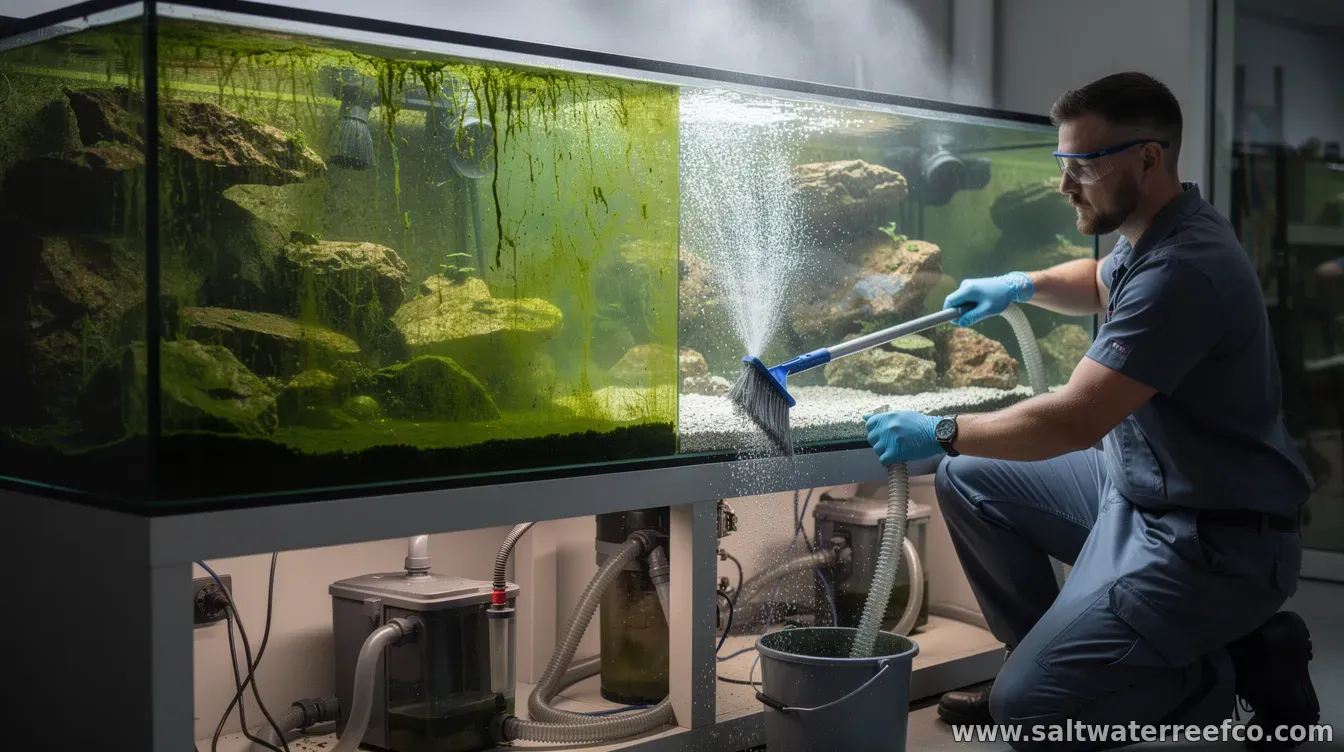
Algae can appear quickly and spread across pools, ponds, water tanks, and decorative water features—often making surfaces slippery, water cloudy, and filtration less effective. While algae is common, persistent blooms typically signal a specific imbalance in the water environment rather than a problem that can be solved by “more chemicals” alone. Understanding the root causes helps explain why DIY approaches sometimes fail. Professional algae control starts with identifying what’s feeding growth, what conditions support it, and what equipment or maintenance routines are currently falling short. Common causes of algae growthIn most settings, algae thrives when three factors align: nutrients, light, and low or stagnant circulation. Nutrients may come from leaves, dust, fertilizer runoff, decaying organic matter, or inadequate sanitation that allows organic buildup to persist. Even when nutrient levels aren’t visibly high, small, ongoing inputs can accumulate over time and fuel repeated blooms. Light is the second major driver. Extended sun exposure can accelerate algae photosynthesis, especially in outdoor water bodies. If a pond or pool receives direct afternoon sun or a decorative fountain sits in a bright, sheltered spot, algae can become a recurring seasonal issue. Circulation and filtration limitations complete the picture. When pumps run too briefly, filters are undersized, or flow patterns leave “dead zones,” algae can establish itself and become difficult to remove. Poor skimming, clogged intakes, worn seals, or filter media that has lost performance can also reduce the system’s ability to capture algae spores and suspended particles. Why algae keeps coming backA frequent challenge is that algae control often focuses on the visible green (or brown) layer rather than the conditions that allowed it to develop. If nutrient sources remain, algae can return quickly—sometimes within days or weeks. Additionally, treatments that disrupt one part of the ecosystem without improving filtration, circulation, or maintenance routines may provide short-term clarity but not long-term stability. Professional solutions that workProfessionals typically begin with water testing and system assessment. Instead of guessing, they evaluate key parameters such as nutrient indicators, sanitation levels (where applicable), dissolved solids, and conditions that affect algae survival. They also inspect equipment—pump run times, skimmer performance, filter pressure, and flow distribution—to confirm whether the system is effectively moving and cleaning the water. From there, solutions are usually combined and staged. Many plans include mechanical and filtration improvements, such as correcting turnover rates, cleaning or upgrading filters, improving circulation to eliminate dead zones, and enhancing skimming to remove debris that fuels growth. In parallel, targeted treatments may be applied to suppress algae and restore water clarity. For some environments, professionals also adjust operational routines: optimizing pump schedules, managing shade or exposure where practical, and setting maintenance intervals for filter cleaning and surface debris removal. The goal is to prevent algae spores from finding the nutrient-and-light conditions they need to re-establish. What to expect from a treatment planA responsible professional approach emphasizes measured results and follow-up. Initial treatment may be designed to reduce active algae and stabilize water, while subsequent steps focus on prevention—keeping nutrients in check, ensuring reliable circulation, and verifying that equipment is operating within design parameters. Progress is typically tracked with re-testing and observation of clarity, filter performance, and the presence or absence of regrowth. Because algae types and contributing conditions can vary, results depend on the specific system and its constraints. Still, when root causes are addressed—rather than only the symptoms—algae control becomes more predictable and less disruptive to regular use. If algae is recurring or spreading faster than routine maintenance can handle, it’s often a sign that professional evaluation is warranted. A targeted plan can protect water quality, reduce long-term costs, and help keep surfaces safer and cleaner year-round. |
|
|
Next & Previous posts