1:05 AM How Locally Grown Corals Support Reef Recovery |
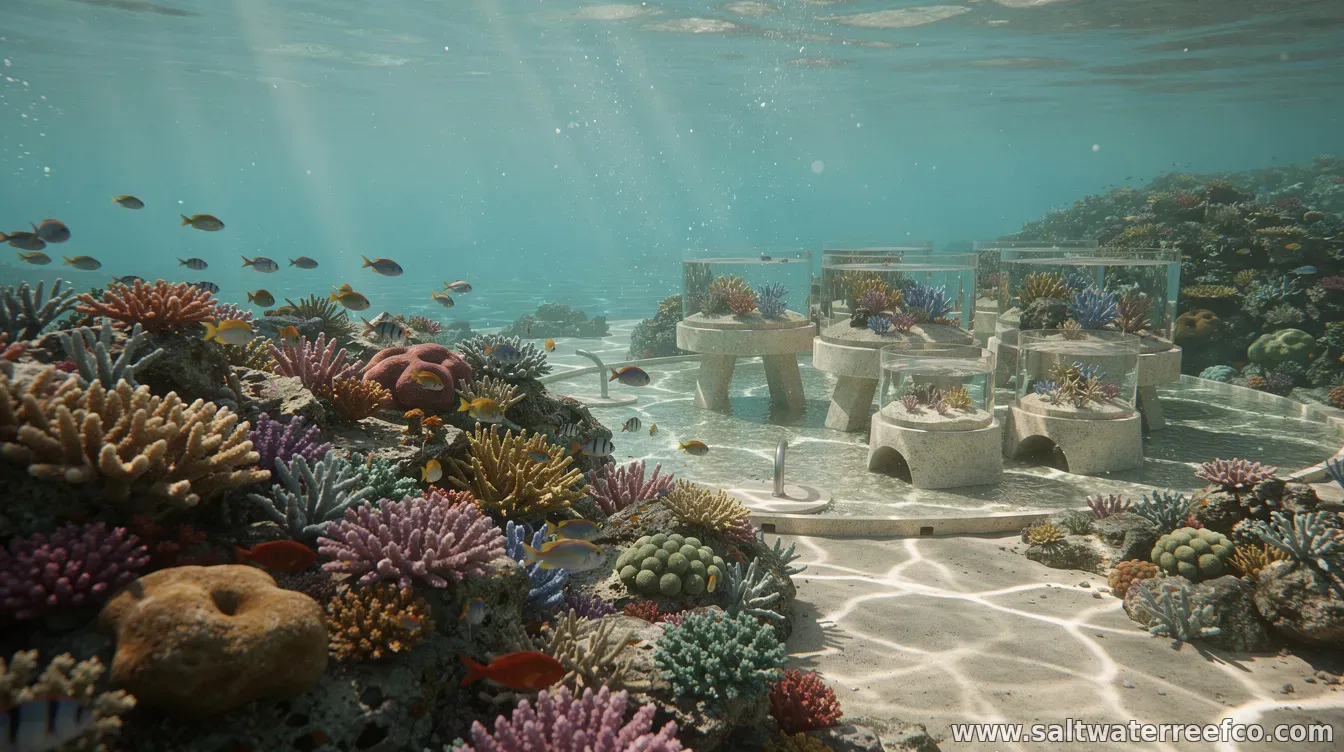
Coral reefs are often described as biodiversity hotspots, but they also act as natural coastal defenses and vital resources for fishing and tourism. When reefs decline, one of the most practical tools for recovery is coral restoration—particularly approaches that grow corals closer to where they will be replanted. Locally grown corals are produced in coral nurseries using parent colonies collected within, or from near, the target region. That “local” focus matters because coral survival depends heavily on water temperature, local chemistry, light conditions, and the timing of spawning and reproduction. Better survival through local adaptationOne of the strongest arguments for locally grown corals is that they can be better suited to the environmental stressors already present in a reef system. Instead of relying on corals transported from distant locations, restoration teams can work with strains that reflect local genetic diversity and acclimatization needs. In practice, this can mean higher post-planting survival rates and more stable growth, since transplanted corals may be more tolerant of local heat patterns, salinity swings, and naturally occurring water-quality conditions. Reduced strain on wild reef ecosystemsGrowing corals in nurseries can also lessen the impacts of harvesting from healthy reefs. By focusing collection on propagation needs—paired with careful sourcing rules—and by producing large numbers of juvenile corals for outplanting, restoration programs can help shift demand away from direct removal. Over time, that can contribute to more sustainable reef management, especially when restoration is paired with steps to address major threats such as water pollution, destructive fishing practices, and coastal development. Community stewardship and long-term restoration capacityLocal coral farming often strengthens reef communities by building local expertise. Training residents, fishers, and conservation partners to maintain nurseries and monitor growth creates a pipeline of knowledge that can persist beyond a single funding cycle. These projects can also support community-led governance, help explain restoration methods and outcomes, and provide measurable indicators—such as survival rates and canopy growth—for residents and partners to track progress together. Compatibility with local restoration goalsReef restoration is not one-size-fits-all. Different reef sites may require different coral species mixes, planting densities, and maintenance schedules. Locally grown corals can make it easier for managers to align restoration with local objectives, including rebuilding habitat complexity and supporting species that rely on particular coral structures. When restoration teams can work directly within the same geographic and ecological context, it can improve coordination between nursery production, field outplanting, and ongoing site management. While locally grown corals are not a substitute for reducing the root causes of reef decline, they can play a key role in recovery strategies—especially where restoration is targeted, monitored, and supported by broader environmental action. For reef communities, that combination of science, place-based stewardship, and practical capacity-building can help turn recovery efforts into an ongoing local commitment. |
|
|
Next & Previous posts