0:48 AM Damselfish: Why the Prettiest Fish Can Disrupt Your Tank |
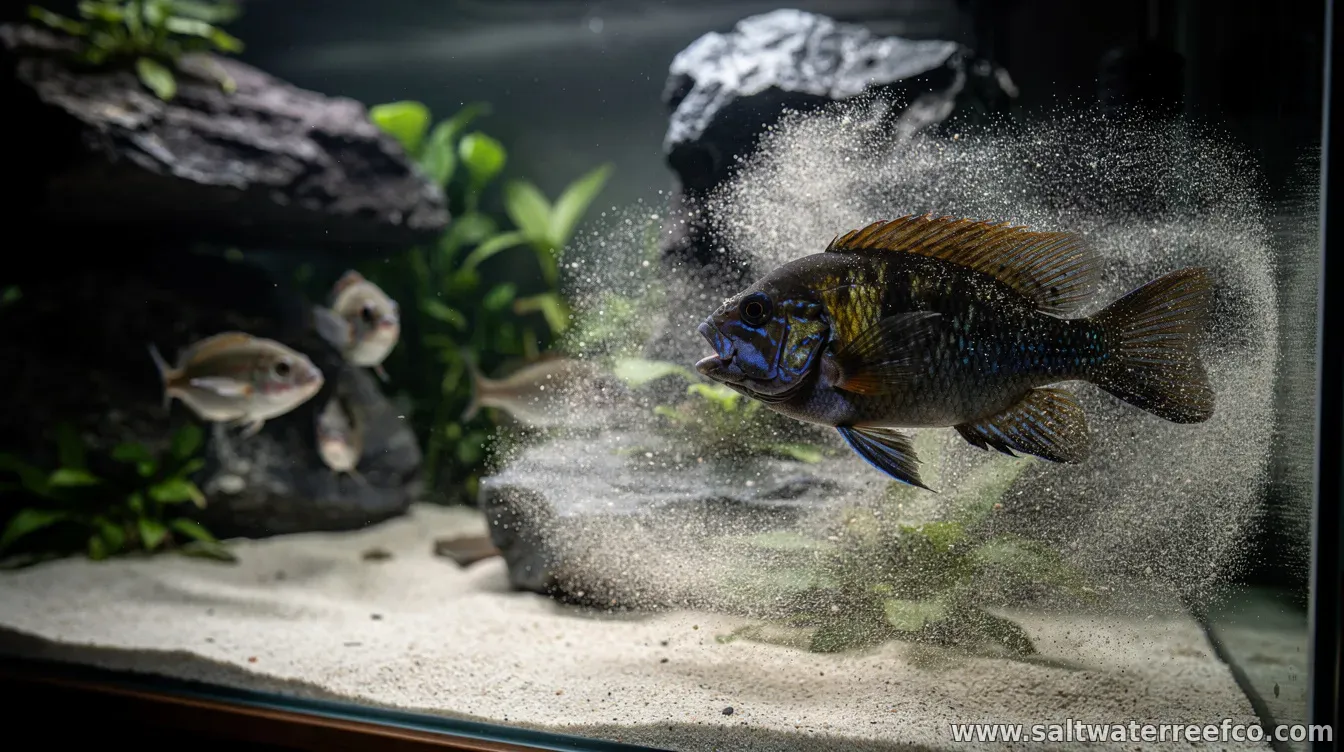
Damselfish can be among the prettiest fish in a reef or marine aquarium—sleek bodies, vivid blues, yellows, and stripes that look like living decorations. But the same traits that make them visually striking also correlate with a reputation for attitude: many damselfish species are highly territorial, persistent defenders of “their” space, and relentless opportunists when resources run tight. For hobbyists building community tanks, that aggression can quickly turn from entertaining to disruptive. Depending on the species and how the aquarium is arranged, damselfish may harass newly added fish, claim the best feeding routes, and become the one occupant no one can easily outmaneuver. Why damselfish can be tough tankmatesIn the wild, damselfish often establish and maintain small territories, especially around shelters and feeding grounds. Aquarium life mirrors that behavior because the tank effectively becomes a compact “neighborhood” with limited escape routes. The result is that even a single damselfish can anchor to a rockwork zone and defend it throughout the day. Unlike more peaceful species that spread out naturally, damselfish frequently behave like constant boundary guards. They may chase rivals from preferred algae patches, nip at slower swimmers, or confront fish that simply pass too close. Over time, that can stress more timid tankmates and reduce their willingness to feed or explore. The most common problems hobbyists reportReports from marine keepers tend to cluster around a few predictable scenarios: the first addition of damselfish “sets the rules” for everyone else; new arrivals face immediate intimidation; and fish that share similar body shapes or colors become more likely targets. Even in established tanks, changes such as rearranging rock, adding new equipment, or introducing another fish can trigger renewed territorial behavior. Damage is not always physical in the dramatic sense—many interactions are chase-and-displace behaviors—but chronic stress can still be harmful. Stressed fish often spend more time hiding, show reduced coloration, and experience slower recovery when they get sick. How to plan a damselfish-friendly tankNot every damselfish behaves identically, and not every aquarium runs into serious conflict. Still, smart planning helps. Start with the understanding that “community compatibility” depends on the combination of species, tank size, aquascape complexity, and whether multiple territories can form without constant overlap.
If you already have fish that are known to be shy or slow, compatibility becomes even more critical. In mixed communities, damselfish often do best where tankmates are active, confident, and can claim space of their own. When aggression becomes a red flagEven with good planning, damselfish may turn into persistent bullies. Red flags include a tankmate that stops eating regularly, repeatedly hides for extended periods, shows visible wear from constant chasing, or undergoes rapid stress changes after routine feeding or tank maintenance. If the pattern continues for days rather than minutes, it’s usually a sign that the tank’s social balance isn’t working. In that situation, the “do nothing” approach can be risky. Hobbyists may need to separate the problem fish, redesign aquascape to break territorial lines, or rehome a species that consistently escalates conflicts. The goal is not to eliminate natural fish behavior, but to stop chronic stress from becoming the system’s daily rhythm. The bottom lineDamselfish can be stunning, but their beauty comes wrapped in real territorial behavior. They are a great match for some tanks—especially those designed around space, structure, and compatible tankmates—but a poor choice for others. If you’re tempted by their color, treat compatibility as a core part of your setup, not an afterthought. Before you add a damselfish, ask one practical question: will your aquarium allow multiple “safe zones” to exist at once? If the answer is unclear, you may be setting yourself up for constant chases—and the kind of drama no pretty fish should have to survive. |
|
|
Next & Previous posts