0:43 AM Protein skimmer: what it is and do you need one |
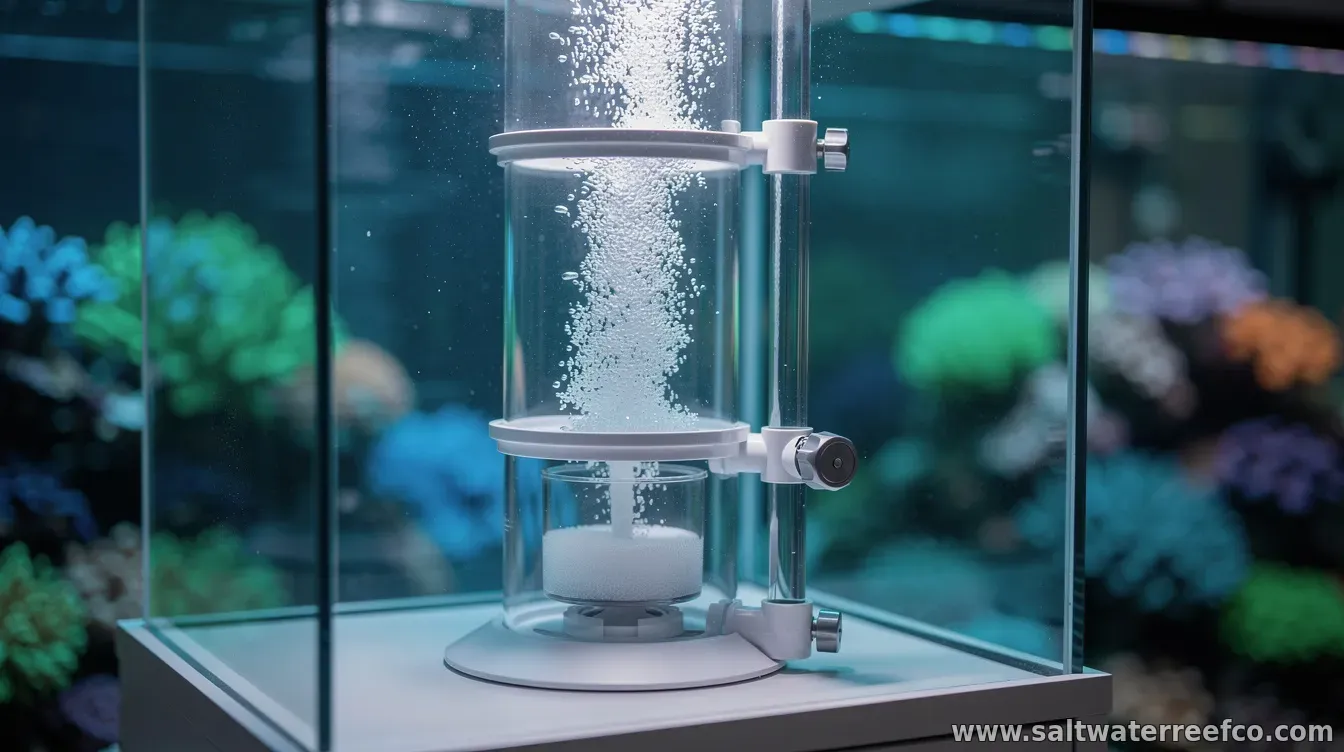
A protein skimmer is a type of aquarium filtration device that removes dissolved organic compounds from saltwater by creating a foam that rises to the surface and carries waste into a separate collection cup. By skimming out proteins, amino acids, and other organic molecules, it helps reduce nitrate and phosphate buildup and keeps the water clearer and more stable. How it works: air is introduced into the protein skimmer, forming a fine foam. Volatile organic compounds adhere to the bubbles and are carried to the collection cup, while clean water returns to the tank. This process is called foam fractionation and is most effective in well-aerated, stable systems. Why you might want one: high bioload (lots of fish, delicate corals, or ongoing feeding), system with heavy feeding, or where you want to minimize nutrient buildup between water changes. Skimmers are especially common in saltwater and reef tanks because these environments produce more dissolved organic waste than freshwater setups. When you may not need one: very small tanks, light feeding, or systems with excellent mechanical and biological filtration and very strict maintenance routines. Some hobbyists with low bioload or heavily planted freshwater tanks may not benefit from a skimmer at all. Types and setup notes: you’ll encounter hang-on-back, in-sump, external, and cone-style skimmers. Capacity and water depth compatibility matter, as does regular maintenance—emptying the cup, cleaning the reaction chamber, and checking for worn fittings. A skimmer’s effectiveness also depends on correct air draw, water level, and tuning to avoid over-foaming or underperformance. Maintenance basics: inspect the collection cup weekly, clean the foam plate or impeller if present, replace worn o-rings, and monitor skimmate color (dark foamy liquid is common). Do not over-tighten or force parts together; ensure a stable, leak-free setup. Bottom line: a protein skimmer can be a valuable tool for controlling organics and maintaining water quality in many saltwater and reef tanks. Whether you need one depends on tank size, bioload, and your maintenance routine. If you’re unsure, consult with a local aquarium store or fellow hobbyists to assess your specific needs. |
|
|
Next & Previous posts