0:06 AM Moray Eel Care and Safety: Housing, Feeding, Handling |
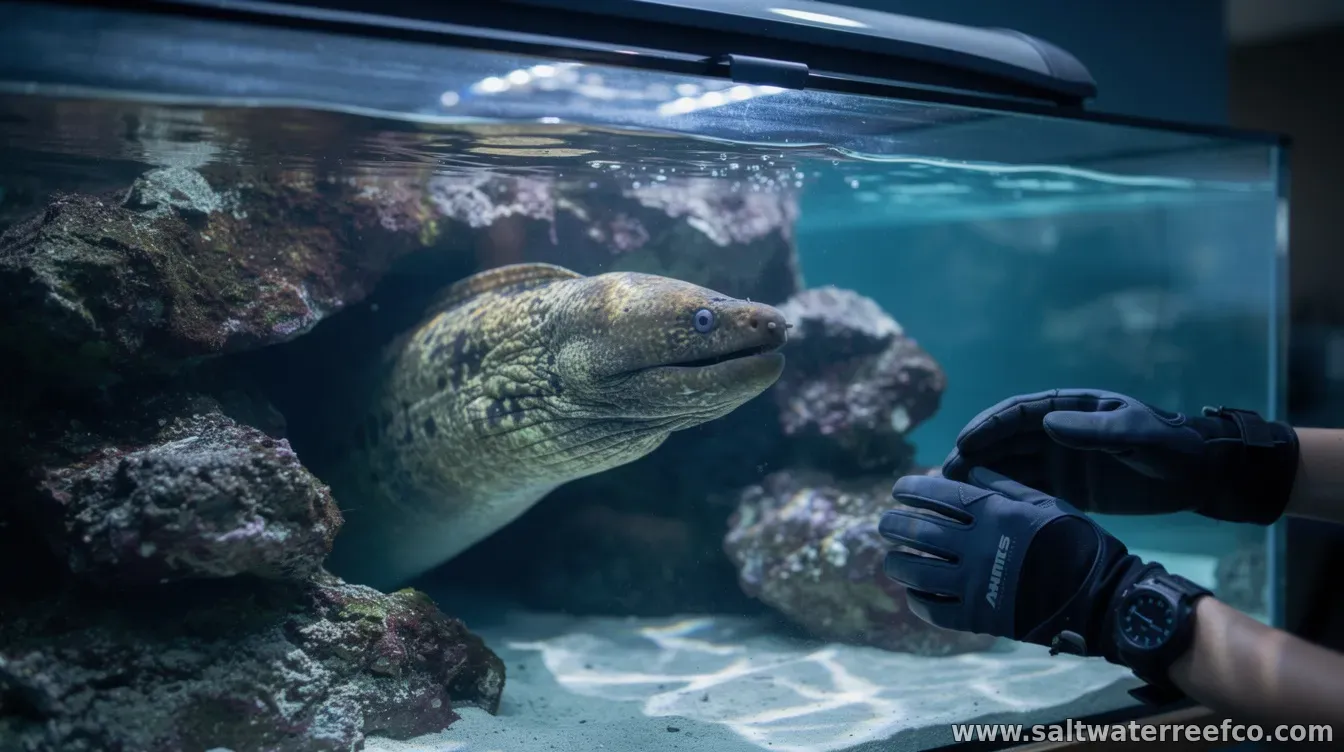
Moray eels are striking, intelligent predators that are sometimes kept in marine aquariums. Their beauty comes with a real safety and husbandry challenge: they need secure, species-appropriate setups and careful feeding and handling routines to reduce stress, injury risk, and tank instability. Before committing, confirm the species you’re planning to keep (many “moray” types differ widely in temperament, adult size, and diet). Also check your local rules and retailer’s care guidance, since some moray eels are better suited to experienced keepers. Secure housing is non-negotiableMoray eels are strong, persistent, and adept at finding gaps. Use a tightly fitted lid or locking cover and pay special attention to overflow boxes, pipe penetrations, ventilation openings, and sump access. Any route that allows an escape—however small—creates both animal welfare and personal safety problems. Internally, provide plenty of hiding spaces with stable rockwork. Avoid unstable structures that could collapse; a collapsed rockscape can injure the eel and complicate rescues. Many keepers use removable rock sections or acrylic barriers to prevent the eel from wedging behind surfaces that are hard to remove or clean. Water quality and flow should match a predator’s needsStable, well-oxygenated water is critical. Maintain strong biological filtration, appropriate protein skimming for marine systems, and consistent temperature and salinity for the species. Sudden swings in salinity, temperature, or ammonia/nitrite levels can quickly stress morays and suppress appetite. Morays typically benefit from good circulation, but avoid creating a “blast” of direct current that continually forces them against barriers. If you use wavemakers, aim flow patterns so the eel can choose where to rest and hunt rather than being pushed into corners. Feeding: species-appropriate prey and safe routinesMost moray eels are carnivores that require meaty, appropriately sized foods. In captivity, many will accept thawed seafood (when offered carefully and in proper portion sizes), but nutritional balance matters—offering only one food type can lead to deficiencies or refused feeding over time. Feed with tools designed for aquarium safety (for example, long feeding tongs) and avoid placing fingers near the feeding area. Morays have quick strike behavior; even “gentle” individuals can snap toward moving objects at feeding time. Compatibility and aggression managementMoray eels are often solitary predators and may view smaller tankmates as food. Choose companions carefully and consider the adult size and hunting style of your eel. Large, fast, and robust fish sometimes work better than slow or small species, but individual temperament varies. It’s wise to treat new tankmates and new eels as risk periods: observe feeding behavior closely, ensure the eel has secure retreats, and keep lighting and structure stable during transitions to reduce stress and territorial flare-ups. Handling and safety: reduce bites and prevent cross-contaminationMorays can deliver painful bites. Even if venom is not a factor for most common aquarium species, any bite can cause injury and infection risk. Whenever possible, avoid handling; use design and maintenance routines that let you observe and intervene without contact. If transfer or medical observation requires intervention, plan for it in advance. Keep a calm environment, use appropriate capture gear (and correct techniques), and never rely on bare hands. After any contact with aquarium tools, wash thoroughly and prevent water from contacting open cuts or mucous membranes. Finally, remember that stress can turn feeding and defensive behavior unpredictable. Don’t rush changes in diet, temperature, or layout, and avoid disturbing the eel during peak hiding hours. Common red flags to watchLoss of appetite, persistent hiding for extended periods, visible wounds, or abnormal breathing behavior can indicate stress, water quality issues, or illness. If the eel is refusing food, check temperature and salinity first, then test ammonia, nitrite, nitrate, and oxygenation. Review recent changes—new rockwork, altered flow, new tankmates, or diet switches—before assuming the worst. Because morays can be difficult to diagnose, seek guidance from a marine aquarium professional or a veterinarian experienced in aquatic animals if symptoms persist. Early action often improves outcomes. |
|
|
Next & Previous posts